Water softener installation
Water Softener Installation in Lake Oswego
4.9 ★ on Google (16 reviews)Open 7 AM to 11 PM, 7 days
Deciding If You Need a Water Softener
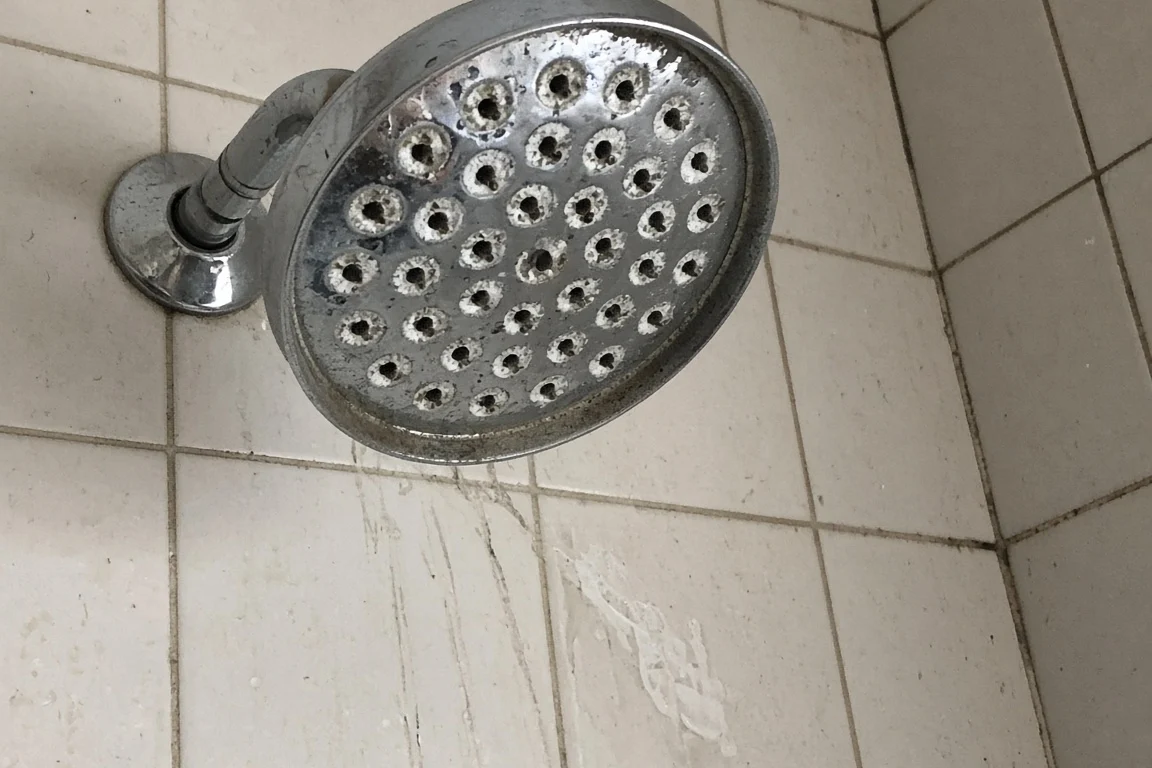
A water softener only fixes one thing: hard water, which is water carrying too much calcium and magnesium. If your water tests soft, or your real problem is taste, smell or color, a softener won't help and you shouldn't buy one. Test first, then decide.
A lot of people call about a softener because something about their water bugs them. That's a fair starting point, but it isn't enough to buy equipment. The question is whether the thing bugging you is caused by hard minerals or by something else.
These signs often point to hard water:
- White, chalky crust around faucets, showerheads and drains
- Cloudy spots on glasses and dishes after they dry
- Soap and shampoo that don't lather well, plus a film left on your skin or the tub
- Showerheads that clog and spray unevenly
- Scale building up inside your water heater, which can show up as popping or rumbling sounds when it heats
If you're seeing a few of these, hardness is worth checking. But signs alone can fool you. Spots on dishes can come from your detergent. A clogged showerhead can come from sediment, not minerals. So the next step is a number, not a guess.
If you're on city water in Lake Oswego, start with the annual water quality report from your water provider. Every public water system puts one out, and it usually lists hardness, often in grains per gallon or milligrams per liter. If you're on a private well, the report won't cover you. A home test kit or a lab test will show what's in your water. Hardness can also change over time, so it helps to test at your own tap instead of relying on old results.
Here's when you probably don't need a softener:
- Your water tests soft or only slightly hard, and the scale you see is light and easy to wipe off
- Your main complaint is a chlorine taste or smell, a rotten egg odor, or water that looks rusty or cloudy
- The issue only shows up at one fixture, which usually means a problem with that fixture or its pipe, not your whole water supply
- You rent, or you're moving soon, and a little vinegar on the faucets handles the buildup just fine
In those cases, a softener would cost you money and space and fix nothing. Taste, odor and color problems usually call for filtration instead, and we handle water filtration system installation too if that turns out to be the better fit. Some homes need both, but that should come from test results, not a sales pitch.
If your water tests hard and you're fighting scale all over the house, a softener can make a real difference. Less buildup means fixtures, the dishwasher and your water heater aren't working through a crust of minerals every day. The value is in what it saves you from cleaning, replacing and repairing later, not in the box itself.
If you're not sure which side you're on, that's normal. Bring us your test results or your water report, tell us what you're noticing, and we'll talk it through in plain language before anything gets installed.
Water Softener vs. Water Filtration: Know the Difference
A softener and a filter can look alike in a garage, but they do different jobs. A softener takes out hardness minerals. A filter takes out things that affect taste, smell, color or clarity. Neither one does the other's job, so it pays to match the system to what your water test found.
Most home softeners use a process called ion exchange. Water runs through a tank of small resin beads. The beads grab calcium and magnesium and swap them for a small amount of sodium or potassium. Every so often, the softener cleans the beads with salty water from a brine tank and flushes the leftover minerals down a drain. That's why you'll be adding salt to it for as long as you own it.
Here's what a softener won't do:
- It won't remove chlorine taste or smell from treated city water.
- It won't fix a rotten egg odor or clear up cloudy or sandy water.
- It isn't made to remove things like lead or bacteria. If your test flags those, you need the right treatment for that specific problem.
Filters come in more shapes. A sediment filter catches sand, grit and rust flakes. A carbon filter cuts chlorine and many tastes and odors. Some systems treat the whole house where the water comes in. Others sit under one sink and only treat drinking and cooking water. Most filters don't soften water, so scale keeps forming even after the water tastes better.
The two also need different things at install time, and that affects where they can go and what the job involves:
- A softener needs room for the resin tank and brine tank near your main water line, a drain for its rinse water, and usually a power outlet for the control valve.
- A softener should have a bypass valve so you can shut it off from the water supply for service without cutting water to the house.
- A whole house filter needs space on the main line and easy access, since cartridges get changed on a schedule.
- An under sink filter needs space in the cabinet and a spot for its own faucet or a hookup to the existing one.
If your test shows hard water and a taste or sediment issue, you may want both systems. The order matters. A sediment or carbon filter usually goes before the softener, so grit and chlorine don't wear out the resin beads early. Some people also leave the kitchen cold tap unsoftened, or add an under sink filter there, because they'd rather not drink water with the added sodium. That's a personal choice, and it's easier to plan for before installation than after.
Cost follows the same split. With a softener, the main factors are tank size for your household's water use, how far the install spot is from a drain and outlet, and how much pipe needs rerouting. With a filter, it's the type of filter, whole house or single tap, and how often the cartridges need replacing. We do both water softener installation and water filtration system installation, so we can look at your results and help you pick the setup that fits your home.
What Water Softener Installation Involves
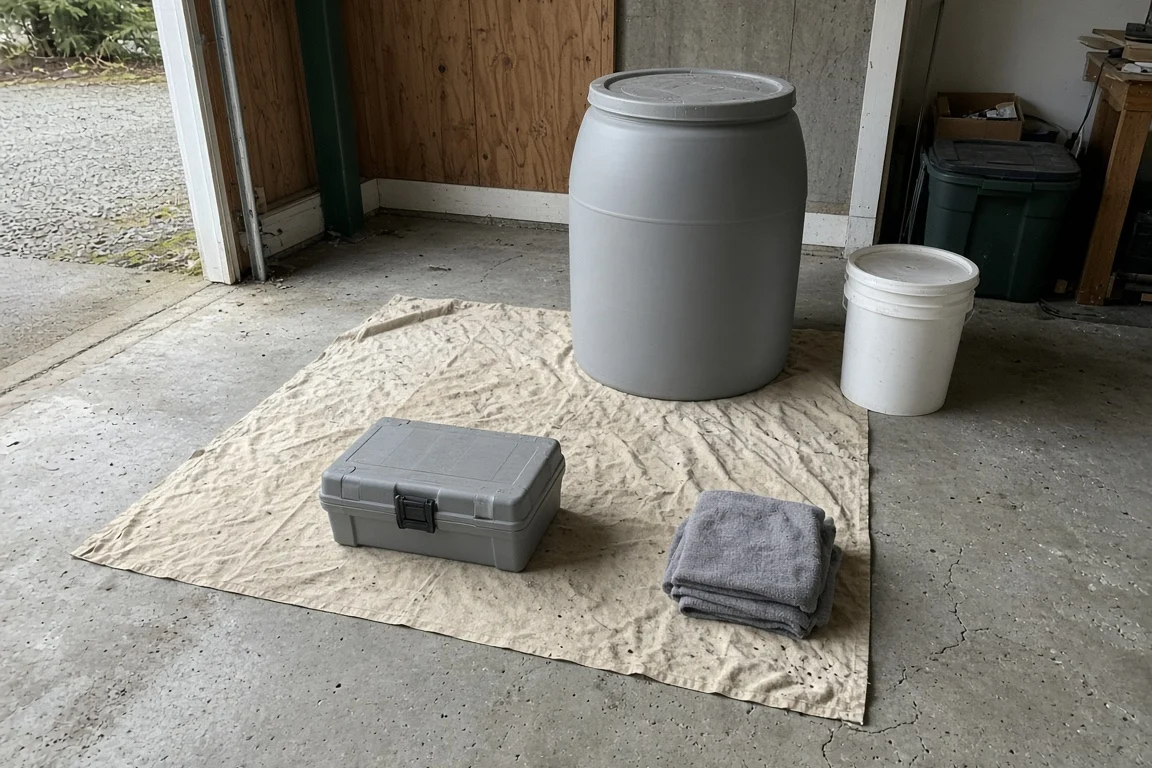
Once a test shows hard water, the install itself is a plumbing job on your main water line. The softener has to sit where all the water coming into your home passes through it before it reaches your fixtures and water heater. Most of the work is in getting that connection right, so the system softens the water you want softened and leaves alone the water you don't.
A typical installation goes in this order:
- Pick the spot. The tanks need a level, dry place near the main line, plus the drain and outlet covered above. It should also be somewhere you can reach easily to add salt.
- Shut off the water and drain the line. Your water is off for this part, so it helps to plan around showers and laundry.
- Cut into the main line and add the bypass valve, then connect the softener's inlet and outlet. If your home has older metal pipe, this is when the pipe condition and any electrical grounding on that pipe get checked, since cutting a metal line can interrupt a ground path.
- Run the drain line. The rinse water from the softener has to drain safely, without any chance of dirty water being pulled back into the system. That usually means an air gap where the line empties.
- Connect the brine tank and its overflow line, then add salt.
- Set the control valve. It gets programmed for your water's hardness and how much water your household uses, so it cleans itself often enough without wasting salt and water.
- Turn the water back on slowly, check every joint for leaks, and run a first cleaning cycle.
A few choices come up during the install, and it's better to decide them ahead of time. Outdoor hose spigots and irrigation lines are often left on hard water, since softened water does nothing useful for a lawn and uses up salt. That can mean splitting those lines off before the softener. The cold kitchen tap is the other common question, which we touched on above. If the softener goes in an unheated garage, freezing in winter is worth thinking about too, because a cracked valve or tank means water on the floor.
The size of the job depends on your home's setup. If the main line, a drain and an outlet are all close together, the work is fairly simple. If the best spot is far from a drain, or the pipe near the main line is old or hard to reach, it takes more pipe, more fittings and more time. It's also fair to ask your installer whether the work needs a permit where you live, since that can affect the schedule.
Your part after that is small. Keep the brine tank stocked with salt, check it about once a month at first so you learn how fast you use it, and use the bypass valve if you ever need to take the softener offline. If you start seeing scale again, that's your signal that something needs adjusting, not that the system failed.
Sizing and Placement Considerations
Size is the biggest choice you'll make, and it's mostly math. A softener is rated by how many grains of hardness it can remove before it needs to clean itself. To size one, you need two numbers: how hard your water is, in grains per gallon, and how much water your home uses each day.
Multiply those together and you get your daily load. Say your home uses 300 gallons a day and your water tests at 10 grains per gallon. That's 3,000 grains a day, or about 21,000 grains a week. Your water bill is the best place to find your real daily use. A guess based on how many people live with you is less exact.
Most people plan for a softener that cleans itself about once a week. If it has to clean every day or two, it's too small. If it goes a month or more, it's likely bigger than you need. Here's what goes wrong at each end:
- Too small: it cleans too often, which uses more salt and water. Hard water can also slip through before a cleaning cycle starts.
- Too big: you pay more up front. If water sits in the tank for a long time between cleanings, the resin bed may not get used evenly.
- Rated capacity isn't the whole story: the number on the box usually assumes a high salt setting. At a lower, more efficient setting, real capacity is often lower, so leave some room.
Flow rate matters too, and people often miss it. Grain capacity is about how much water the softener can treat. Flow rate is about how fast water can pass through it. If two showers, the washer and the dishwasher all run at once, a softener with a low flow rating can drop your water pressure. Homes with several bathrooms need a unit that can keep up at the busiest time of day. If you already have weak pressure before a softener goes in, it's worth having that looked at first, since a softener won't fix it. We also do low water pressure repair.
If you're on a well, test for iron as well as hardness. Iron puts extra load on the resin. Some people add a set amount to the hardness number when they size the unit, and high iron may call for its own treatment ahead of the softener.
Placement follows the water's path into your home. The softener should go after the main shutoff and before the water heater, so hot water gets softened too. On a well, it goes after the pressure tank. If you're adding a filter, that goes in front, as covered above.
Leave room around it to work. You'll lift heavy salt bags into the brine tank for years, so a cramped crawlspace or the back of a packed closet makes a poor spot even if the pipes are right there. Keep it out of direct sun and away from furnaces or other heat sources, since heat can wear on plastic tanks and valves over time. The brine tank sits next to the softener tank and connects with a small tube, so both need floor space side by side.
What Drives Installation Cost
There's no single price for a water softener install, because every quote has two parts that change from home to home. One part is the equipment. The other is the labor and materials to connect it to your plumbing. After that, there's the smaller cost of running it each year. If you know what goes into each part, it's much easier to compare quotes and spot one that leaves something out.
The equipment price follows the size you landed on, as covered above, and the type of control valve. A metered valve cleans the resin based on how much water you've used. A timer valve cleans on a set schedule whether you needed it or not. Metered valves often cost more up front but can waste less salt and water. Some homes also need a filter in front of the softener, which adds its own equipment cost.
On the labor side, the drain, outlet and pipe routing come first. A few other things can add time and parts:
- Taking out and hauling away an old softener before the new one goes in
- Splitting hose spigots or irrigation lines off so they stay on hard water
- Protecting a garage install from freezing in winter
- Repairing or replacing old pipe that turns out to be in poor shape once the line is opened
- Tight or awkward access to the main line
- A permit, if your local rules call for one
Running costs are easy to forget, but you'll pay them for as long as you own the system. You'll keep buying salt or potassium, and each cleaning cycle uses some water. The control valve uses a small amount of power. Over many years the resin beads wear out and need replacing. If you add a filter, its cartridges get swapped on a schedule too. A softener that's sized and set correctly keeps these costs down, which is one more reason to start with a real hardness number.
Before you hire anyone, ask a few direct questions:
- Are you licensed with the Oregon Construction Contractors Board?
- Does the quote include the equipment, bypass valve, drain line with air gap, fittings and labor?
- Does it cover removing the old unit and any permit?
- Who programs the control valve, and will you test the water after the install?
- If you find bad pipe once the line is open, how will you tell me and price the extra work?
We're licensed under Oregon CCB License #257405 and bring 20 years of hands-on plumbing experience to the job. We'll walk you through what your quote covers and why. One reviewer wrote that we explain the problem and the cost before starting, with no surprise charges on the final bill. That's one customer's experience. Every home is different, so ask us anything about your quote that isn't clear.
Softener installs are one of the jobs we take on as a plumber for Lake Oswego homes and businesses, and once a test shows hard water you can ask about a water softener installation.
Frequently Asked Questions
Common questions about Water softener installation
Does my water softener install need a permit in Lake Oswego?
It depends on your local rules, so ask your installer before work starts. Permit requirements can affect your install schedule, and it's a fair question to raise when you compare quotes.
Will a water softener hurt my lawn or garden if I connect it to outdoor spigots?
Softened water doesn't help plants and wastes salt, so it's best to skip it outdoors. Most installs leave hose spigots and irrigation lines on hard water by splitting those lines off before the softener connection.
Can I install a water softener myself instead of hiring a plumber?
You can, but the job involves cutting into your main water line, adding a bypass valve, and running a drain line with a proper air gap. Older homes with metal pipe also need a check for electrical grounding before you cut the line, since that can interrupt a ground path.
What happens if my water is still hard after the softener is installed?
Test your water at a tap right after installation; it should come back soft. If it doesn't, the control valve settings or the plumbing connections need a second look, not a new unit.
Ready to Get Started?
Call (971) 455-3804 now for a free estimate.
Call (971) 455-3804Open 7 AM to 11 PM, seven days a week.