Water line repair
Water Line Repair in Lake Oswego
4.9 ★ on Google (16 reviews)Open 7 AM to 11 PM, 7 days
Signs Your Water Line Needs Repair
A failing water line usually shows up in more than one way: a higher bill, a soggy spot in the yard, or weak pressure at every tap. The useful question is whether the problem affects the whole house or just one fixture. That tells you if the main line is the cause before anyone talks about digging.
Your water line is the pipe that runs underground from the meter to your house. Since you can't see it, you'll usually notice the effects first. One sign alone can have a simple cause. Two or three together make the main line a much stronger suspect.
- Your water bill jumps, but your habits haven't changed. No new guests, no new sprinklers, no long fill-ups of a hot tub.
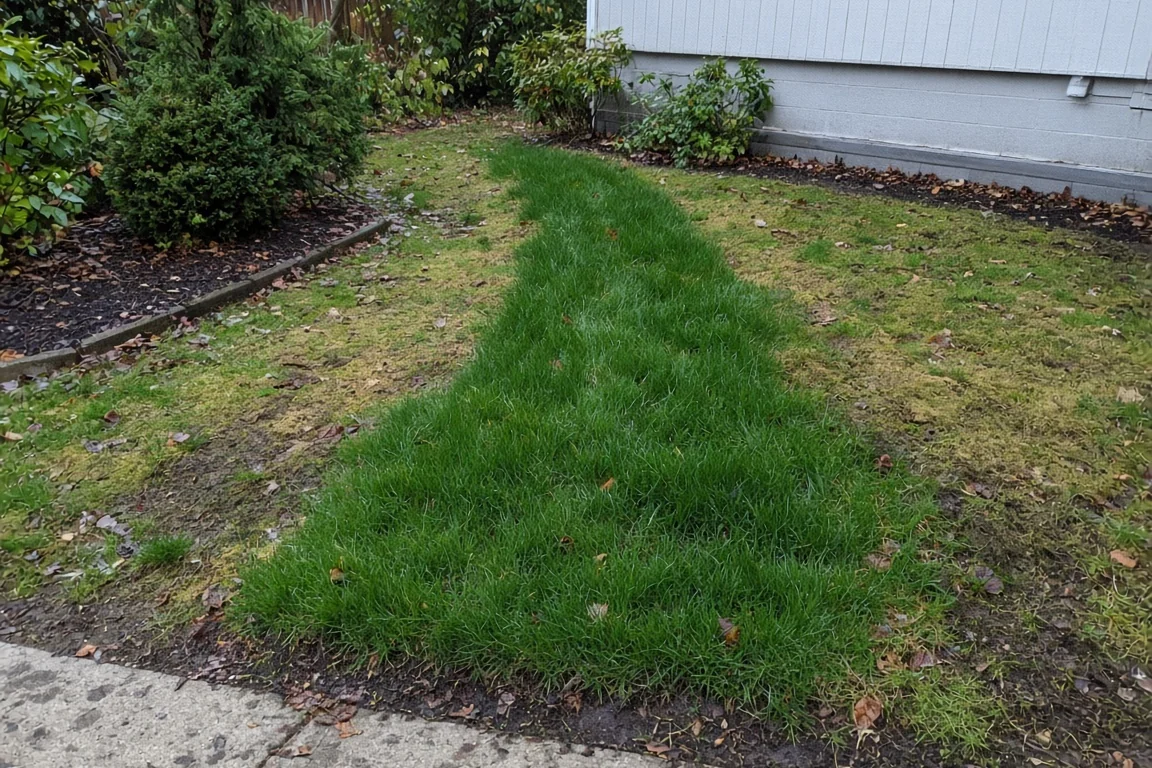
- A patch of yard stays soggy when the weather is dry, or a strip of grass grows greener than the lawn around it.
- The ground sinks, cracks or puddles along the buried pipe's path.
- Pressure drops at every faucet and shower, not just one.
- Water comes out brown, rusty or cloudy from the cold taps, especially after it hasn't run for a while.
- You hear hissing or running water when everything in the house is off.
- You find dampness in the basement or crawlspace near the spot where the line comes in.
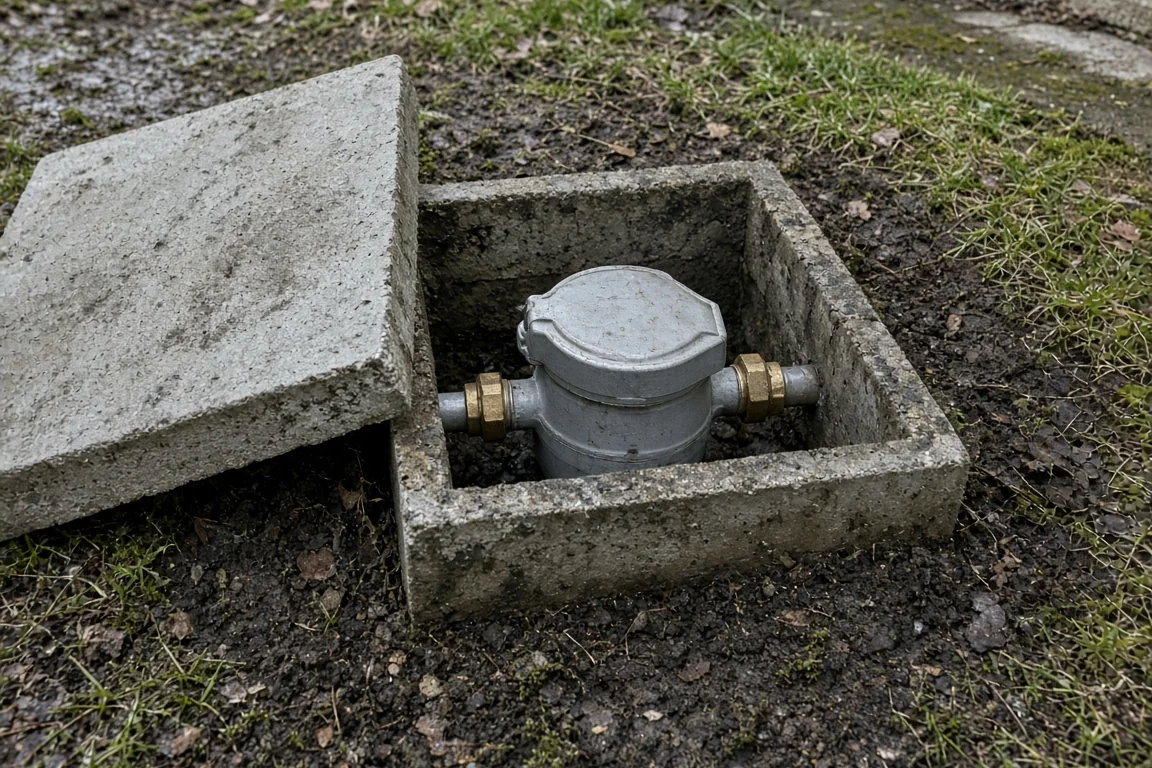
There's a simple check you can do yourself. Turn off every faucet, appliance and irrigation line in the house. Then look at the meter. Many meters have a small dial or triangle that spins when water moves. If it keeps turning while nothing is running, water is going somewhere. You can also write down the reading, wait an hour without using any water, and check it again. A change means there's a leak somewhere past the meter.
That check tells you water is escaping. It doesn't tell you where. A running toilet can move the meter too, so press down on the toilet flappers and listen for refilling before you assume the problem is underground.
Some problems look like a water line issue but aren't one. Weak flow at a single faucet usually points to a clogged aerator or a worn fixture part, not the main line. If pressure is low across the house but you don't see any wet ground, that can still have other causes, and our low water pressure repair page explains them. Rusty water that only comes from the hot side usually points to the water heater, not the line from the street.
Here's a common picture. You notice the bill is higher than last month, then you see the grass by the front walk is staying wet. Each clue on its own is easy to brush off. Together, they point to the buried line. That's a pattern worth having checked before the leak gets bigger or starts to wash out soil under your yard or walkway.
If water is bubbling up in the yard or you've lost water to the whole house, treat it as a major leak. Our emergency plumbing hours run 7 AM to 11 PM, seven days a week.
When It's Not a Water Line Problem
A lot of the signs that point to the water line turn out to be something else. A few checks before anyone digs can rule the line out. Sometimes they save you a repair altogether.
Start with your home's main shutoff valve. It's often where the line enters the house, in a crawlspace, basement or garage, or near an outdoor spigot. Close it, then watch the meter again. If the meter stops moving, the leak is inside the house, not in the pipe underground. That points toward plumbing leak repair, or slab leak repair if you notice warm spots on the floor or hear water under it. If the meter keeps moving with the valve shut, the buried line becomes the main suspect. One caution: if the valve is stiff, don't force it. Old valves can snap or start leaking when they're cranked hard.
These look-alikes are worth ruling out next:
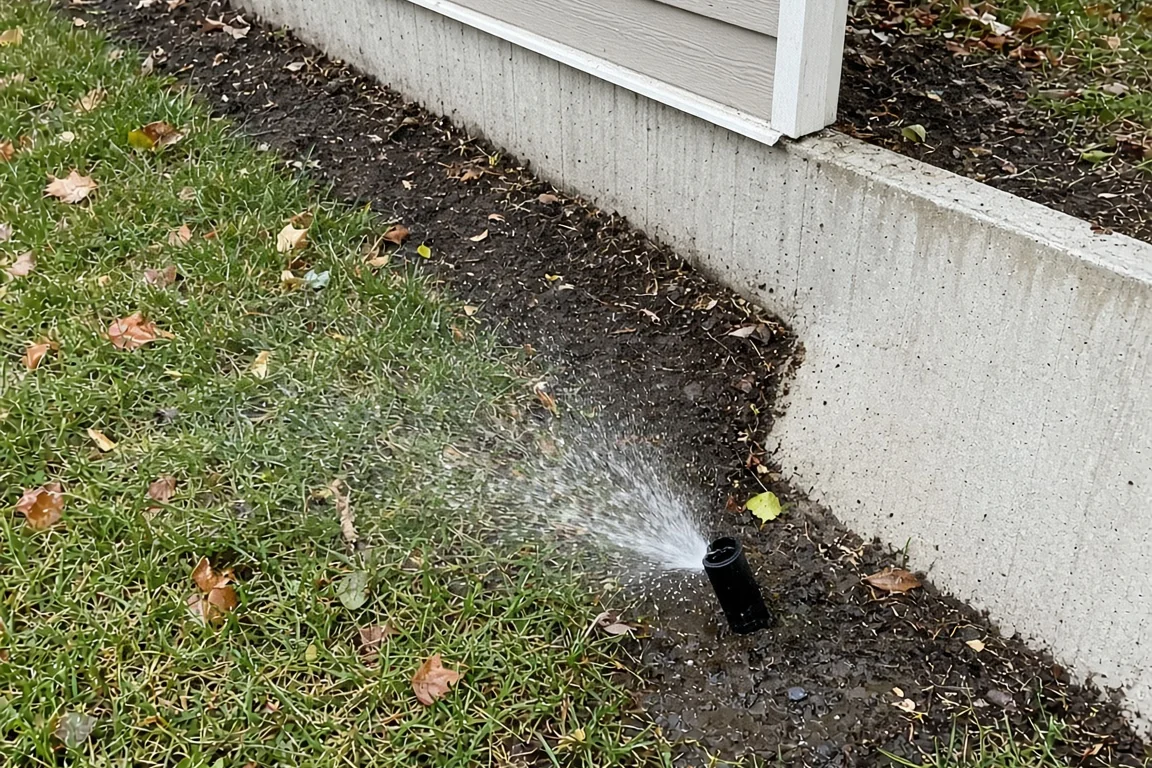
- Sprinkler leaks. A cracked sprinkler pipe or broken head can leave a soggy patch and keep the meter turning. Shut off the irrigation at its own valve or controller and check the meter again. If it stops, you're looking at a sprinkler fix, not a water line job.
- A leak on the street side of the meter. If water pools around the meter box or along the street side, call your water provider first. In many areas, the pipe on that side belongs to the utility. They can tell you where their part ends and yours begins.
- Rain and drainage. Downspouts that empty near the house, low spots in the yard and clogged yard drains can all leave ground wet for days after a storm. If your meter test is clean and the spot dries out once the rain stops, it's a drainage issue.
- The sewer line. A wet spot with a sewage smell, or slow drains all over the house, points to the sewer line instead of the water line. A sewer camera inspection can show what's going on inside that pipe, and our sewer line repair page covers the fixes.
Sometimes the honest answer is that nothing needs fixing yet. Say your bill went up, but it lines up with summer watering or extra people in the house. The meter holds steady overnight, pressure feels normal and the yard is dry. You probably don't have a water line problem. Write down the meter reading, check it again in a week, and compare your next bill to the same month last year. If the numbers settle down, you can let it go.
If the meter keeps moving after you've shut off the house and the sprinklers, the leak is underground between the meter and your home. Our team can find it and repair it.
What Happens During a Water Line Repair Visit
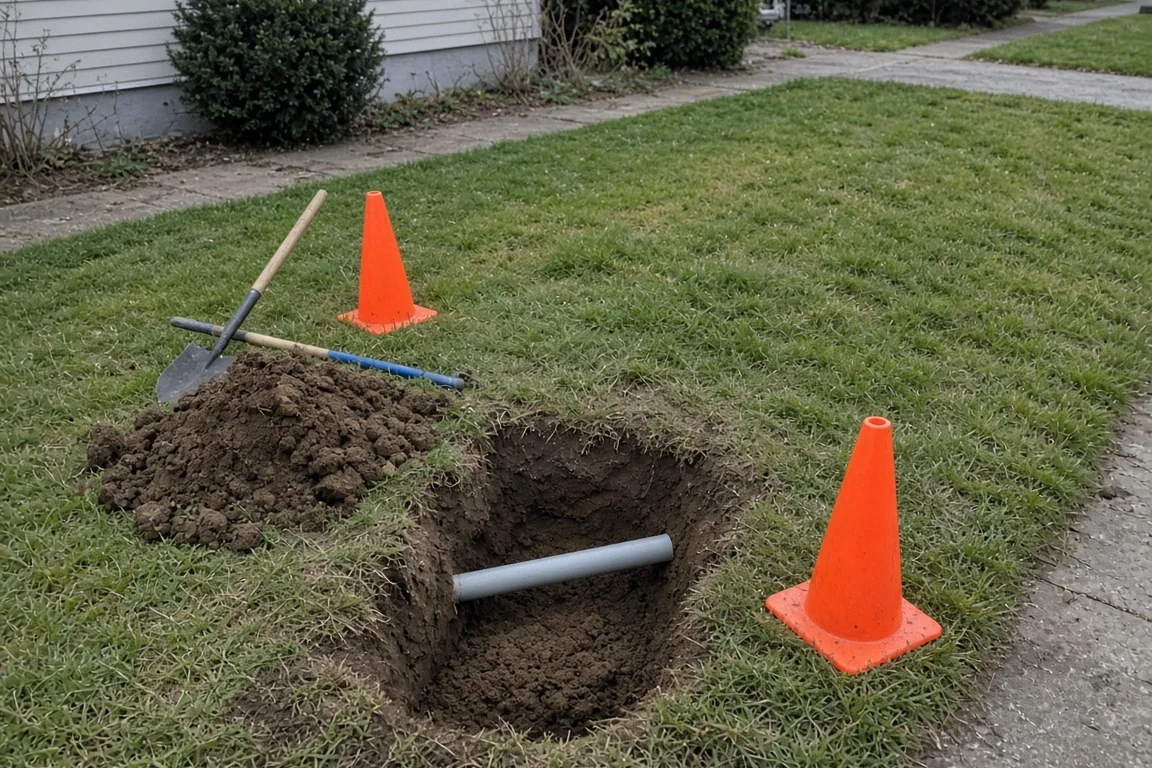
Once your meter test points underground, the work has three parts: find the exact spot, decide how much pipe needs fixing, then make the repair and put things back. The first part matters most. A good location keeps the hole small and the bill closer to what you expected.
Finding the leak comes before any digging. The line between the meter and your house can be 30 feet or 150 feet long, and it doesn't always run in a straight path. A plumber will usually trace the line's route, check pressure, and listen for the leak at the surface to narrow down where water is escaping. Clues you've already noticed, like a soggy patch or a sunken spot, help confirm it. Narrowing the search to a few feet means digging one small hole instead of trenching across your whole yard.
Next comes the decision about how much to fix. There are two main paths:
- A spot repair. If the pipe is in decent shape and the damage is in one place, such as a cracked fitting or one bad section, the plumber cuts out that piece and replaces it. This is usually the smaller job.
- A full line replacement. If the pipe is old, has leaked more than once, or is corroded along its length, patching one spot often just moves the problem a few feet down the line. Replacing the whole line costs more now, but it can save you from paying for the same dig again later. If the pipes inside your home are aging too, our repiping service covers that work.
You should hear why one option fits your line better than the other before anyone starts. Ask to see what was found. If the pipe looks sound around the leak, a spot repair is a fair choice. If it's flaking, rusted or brittle, replacement is often the better choice.
Several things shape the cost and how long the job takes:
- How deep the line is buried and how long it runs.
- What sits on top of it. Lawn is easy to dig. A driveway, walkway, patio or mature tree roots take more work.
- The pipe material and its age, which affect whether a patch will hold.
- Whether the job is a spot repair or a full replacement.
- How much digging is needed to reach the leak safely, and how much ground has to be filled and leveled afterward.
During the repair, water to the house is shut off. A spot repair may mean only a few hours without water. A full replacement takes longer. Ask about the timing up front so you can fill a few jugs and plan around showers and laundry. After the new pipe is in, the line is turned back on and checked for leaks before the hole is filled. Then the meter test you ran earlier should hold steady with everything off. That's your proof the leak is fixed.
Before work begins, you should know what's being repaired and roughly what it'll cost. One reviewer wrote that our team will explain the problem and the cost before starting, with no surprise charges on the final bill. That's one customer's experience, not a promise for every job. It's still the right standard to expect. If anything about the plan or the price isn't clear, ask before the digging starts.
What Drives Water Line Repair Cost
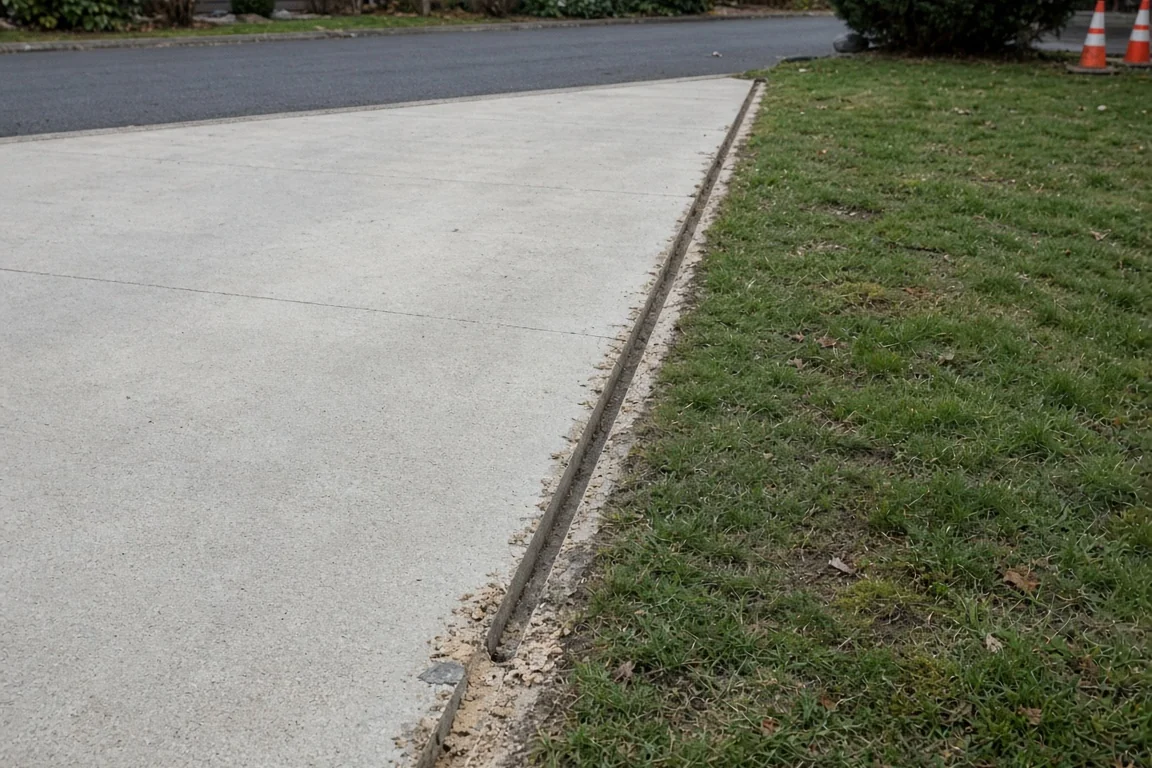
No one can give you a real price for a water line repair until the leak has been found. That's not a dodge. Two jobs with the same symptoms can be very different once the spot is located. One might be a single cracked fitting under lawn. The other might be a corroded line running under a driveway. The things that shape the work itself, like depth, what's on top of the line, pipe material and repair versus replacement, are covered above. Here's how those turn into a quote, and where costs tend to hide.
Most water line quotes come together in two stages. First, the leak gets located, and that work is sometimes priced on its own. Then you get a quote for the repair based on what was found. Some plumbers price the repair as one flat job. Others charge for time and materials. A flat price is easier to plan around. Time and materials can come out lower on a simple job, but it can climb if the dig runs into surprises. Either way works. You just need to know which one you're agreeing to.
The part of the bill people tend to forget is what happens after the pipe is fixed. Filling the hole is normally part of the job. Putting your yard or hardscape back the way it was may not be. Before you say yes, ask about each of these:
- Restoration. Does the price cover reseeding or replacing sod, or only backfilling and leveling the soil? If concrete or pavers have to come up, who puts them back?
- Permits and inspections. Some water line work needs a permit. Ask whether yours does and whether that cost is in the quote.
- Utility locates. Other buried lines, like gas or electric, need to be marked before anyone digs. Ask who's handling that.
- Changes mid-job. If the pipe turns out to be worse than expected once it's uncovered, how will you be told, and will you approve any new cost before work goes on?
- Timing. Does an after-hours or weekend visit change the price?
The cheapest option isn't always the lowest cost over time. A spot repair on an old, worn line costs less today. But if another section fails next year, you're paying to dig and restore the yard all over again. A full replacement costs more up front and can end that cycle. A fair quote should tell you which choice fits your pipe and why, so the decision is yours.
Waiting has a cost too. An underground leak keeps running up your water bill. It can also wash soil out from under walkways and slabs, which makes the eventual repair and cleanup bigger.
Last, ask for the contractor's license number. In Oregon, you can check it with the Construction Contractors Board. Ours is Oregon CCB License #257405, and our team brings 20 years of hands-on plumbing experience to the work.
Checking a Contractor's License Before Hiring
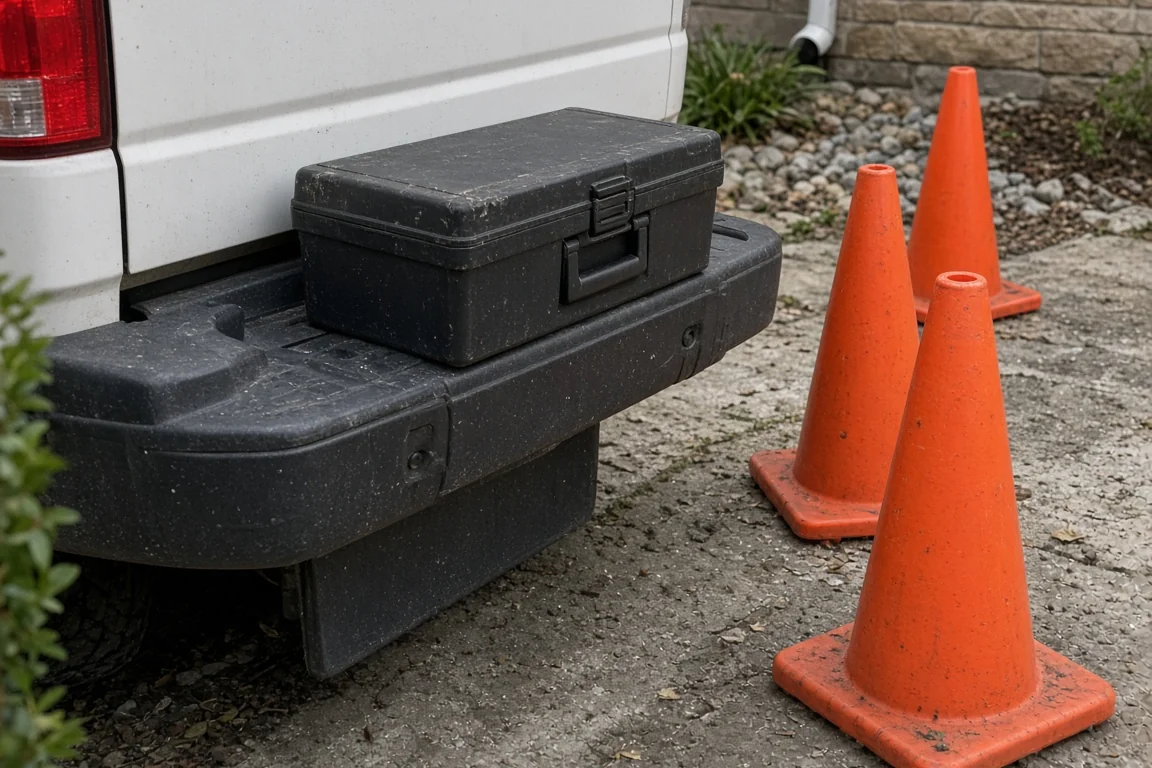
A water line job means someone is digging in your yard, maybe cutting into a walkway or driveway, and working on the pipe that feeds your whole house. If something goes wrong, you want a contractor who's on record with the state. A license check takes about five minutes, and it's worth doing before you sign anything.
Start by getting the license number in writing, ideally on the quote itself. Then look it up with the Oregon Construction Contractors Board. You can search by number or by business name. When the record comes up, check a few things:
- The name matches. The business on the license should be the same one on your quote and your paperwork. If the names don't line up, ask why.
- The status is active. An expired or suspended license is a reason to stop and ask questions before any work begins.
- Bond and insurance are on file. These matter if your property gets damaged or the job isn't finished the way it was agreed.
- The license fits home work. Make sure it covers residential jobs, since your water line runs to a house.
- The complaint history makes sense. One old complaint that was resolved isn't a deal breaker. A pattern of open complaints is.
Some warning signs show up before you ever look anything up. Be careful if someone won't give you a license number, only takes cash, won't put the quote in writing, or pushes you to start today before the leak has been found. The same goes for anyone who says a permit is never needed without checking your job first. Any of these can leave you with very little to fall back on if the repair fails or your yard is left torn up.
Keep in mind that a license is the starting point, not the whole picture. It tells you the contractor is registered with the state. It doesn't tell you if they'll take the time to find the leak before digging, explain spot repair versus replacement, or tell you about a change in cost before going ahead. Those are fair questions to ask on the phone, and the answers will tell you a lot about how the job will go.
You can look up our license the same way. We'd rather you check than take our word for it. Then you can call with a clear head and ask us the questions from the cost section above.
Water line repair is one of the core jobs we handle as a plumber for Lake Oswego households, and if your meter test points underground you can schedule water line repair.
Frequently Asked Questions
Common questions about Water line repair
Can I still use water in my house during a water line repair?
No, water to the house is shut off during the repair so the line can be fixed safely. A spot repair may only mean a few hours without water, while a full line replacement takes longer. Ask upfront how long the shutoff will last so you can fill a few jugs and plan showers or laundry around it.
Who do I call if the leak is on the street side of the meter?
Call your water provider first, since the pipe on the street side of the meter often belongs to the utility, not you. They can tell you exactly where their part ends and your responsibility begins. If water is pooling around the meter box itself, that call can save you from paying for a repair that isn't yours to fix.
How long does the pipe between my meter and house usually run?
It varies a lot, often running anywhere from 30 feet to 150 feet, and it doesn't always travel in a straight line. That's why finding the exact leak spot matters before any digging starts. A plumber traces the route, checks pressure, and listens at the surface to narrow the dig down to just a few feet.
Ready to Get Started?
Call (971) 455-3804 now for a free estimate.
Call (971) 455-3804Open 7 AM to 11 PM, seven days a week.