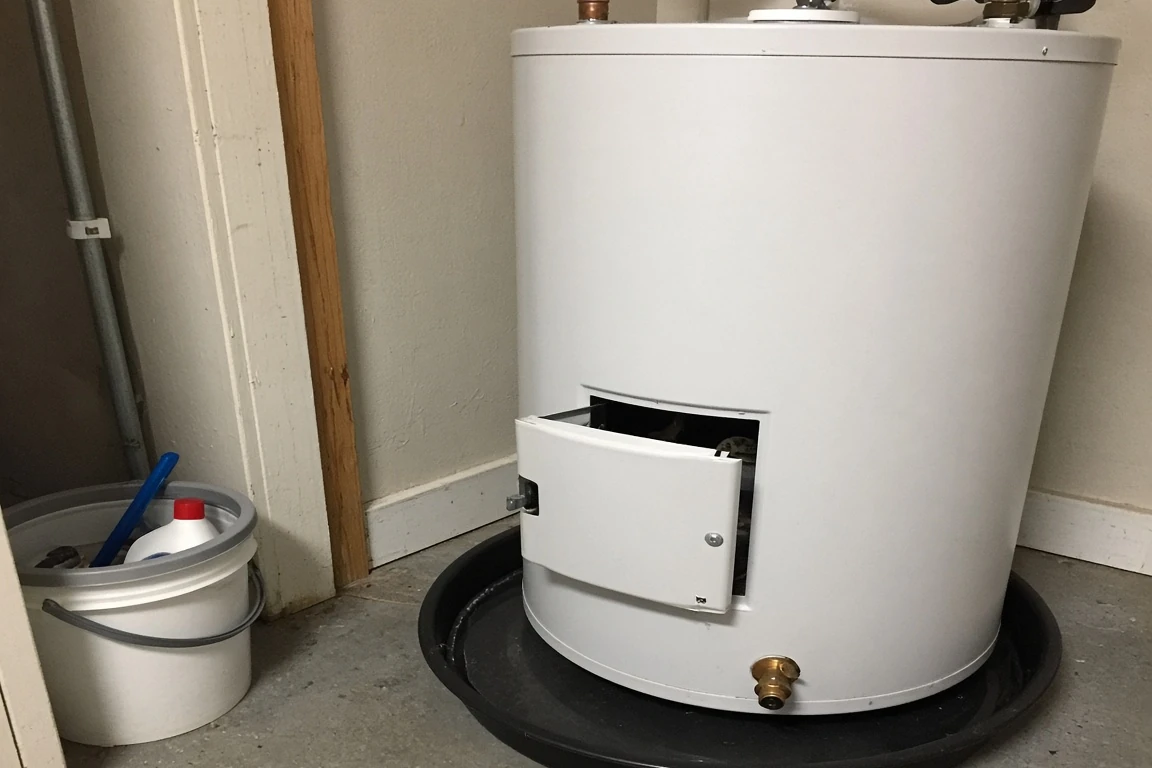
Water heater repair
Water Heater Repair in Lake Oswego
4.9 ★ on Google (16 reviews)Open 7 AM to 11 PM, 7 days
Signs Your Water Heater Needs Repair
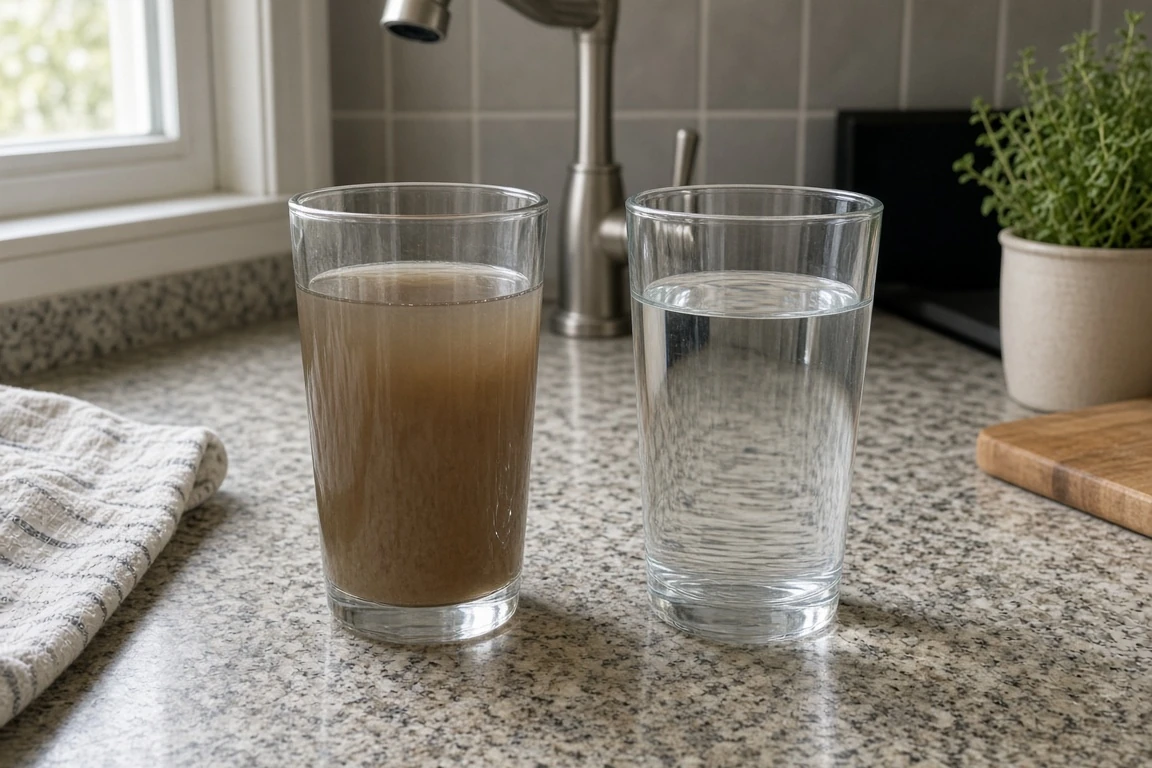
Most water heater trouble shows up as one of a few signs: no hot water, hot water that runs out fast, odd noises, discolored or smelly water, or water around the tank. Each sign points toward a different cause, and that cause decides whether a repair makes sense. Water seeping from the tank body itself is the one sign that usually means replacement rather than repair.
Water heater repair starts with one question: what is your heater telling you? Problems tend to show up as a short list of signs, and each one narrows down the cause. Once you know which sign you've got, you can tell whether you're looking at a worn part or a bigger decision.
- No hot water at all. On a gas heater, this often points to the pilot, the flame sensor or the gas valve. On an electric heater, a tripped reset switch, a burned out heating element or a bad thermostat is a common cause. These parts can usually be replaced.
- Hot water runs out faster than it used to. Sediment may have built up on the bottom of the tank and taken up space. In an electric tank, one of the two elements may have quit. A broken dip tube can also let cold water mix into the hot before it reaches your tap.
- Water that's only lukewarm, or swings between hot and cold. This usually points to a thermostat or heating element that isn't doing its job.
- Popping, rumbling or crackling sounds. That's often water trapped under a layer of sediment and boiling as the burner heats it. If it's caught early, a flush may be all the heater needs.
- Rusty or brown hot water. If your cold water runs clear and only the hot is discolored, the heater is the likely source. A worn out anode rod can be swapped. Rust from the tank lining is more serious.
- Hot water that smells like rotten eggs. This is often a reaction between bacteria in the water and the anode rod. Replacing the rod can clear it up.
- Water around the base of the tank. Find where it's coming from first. A loose fitting, a dripping drain valve or a leaking temperature and pressure relief valve can be fixed. Water seeping from the tank body usually means the tank has failed.
Tankless units give different clues. You might see an error code on the display, or get a burst of cold water in the middle of a hot shower. Those signs still point to specific parts, so they're worth describing exactly as you see them.
Not every sign is urgent. A heater that rumbles but still gives you plenty of hot water can wait for a convenient time. A tank that's actively leaking, or a home with no hot water at all, is a different story. Water heater failures are part of our emergency plumbing service, which runs 7 AM to 11 PM, seven days a week.
Before you call, it helps to jot down a few things: whether the heater runs on gas or electric, is a tank or tankless model, about how old it is (the label on the side often shows a manufacture date), and when you first noticed the problem. With 20 years of hands-on plumbing experience behind us, those details help us talk through what your sign most likely means and what a visit should look at first.
Repair or Replace: How to Make the Call
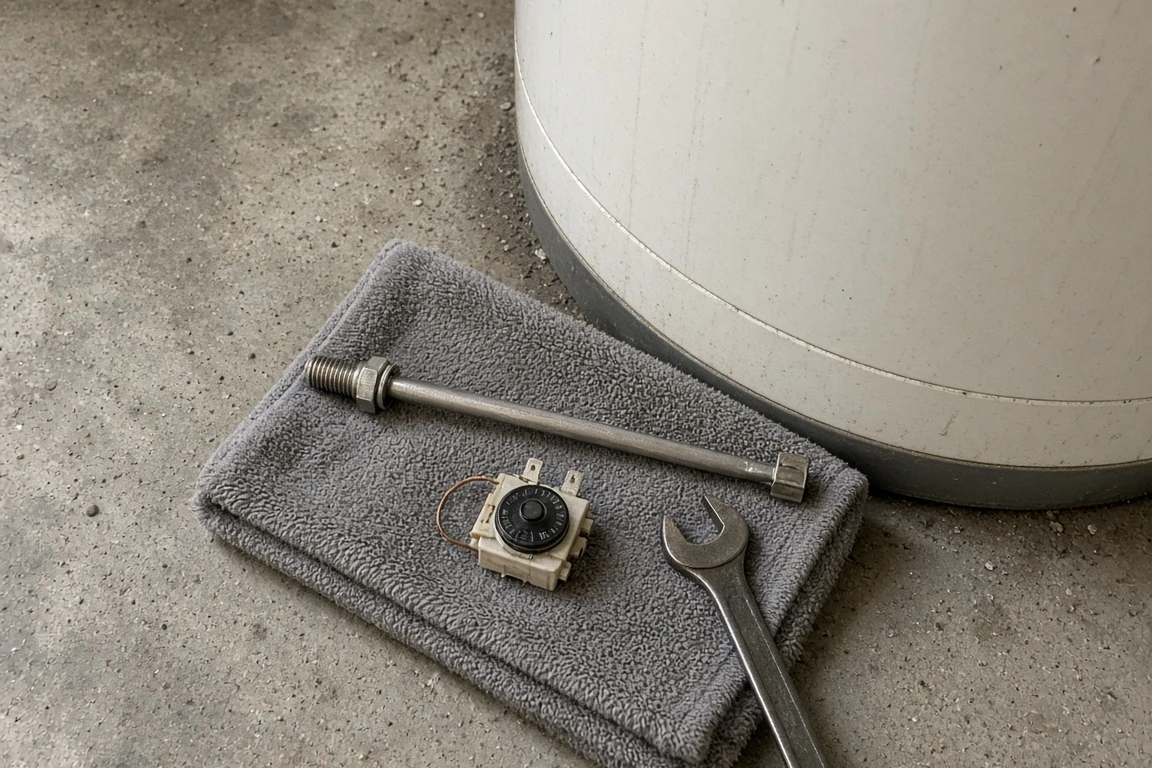
Once you know what's causing the problem, the repair or replace choice gets a lot clearer. It comes down to four things: which part failed, how old the heater is, how often it's needed help, and whether it still fits the way your household uses hot water.
Repair usually makes sense when:
- The problem is a single part that's built to be swapped out, like a thermostat, heating element, igniter, flame sensor, anode rod, dip tube or relief valve.
- The tank itself is sound, with no rust coming through the body and no seepage from the shell.
- The heater is still well within its expected life. Most tank heaters are built to last roughly a decade, so a five year old tank with a bad element is a good candidate for a fix.
- This is the first real issue it's had.
Replacement usually makes more sense when:
- The tank body is leaking. That can't be patched in any lasting way.
- Rust is coming from the tank lining, not just a worn anode rod.
- The heater is near or past the end of its expected life and has started needing repairs back to back.
- The repair would cost a large share of what a new heater would, especially on an older unit.
- Your needs have changed. A bigger household, a new bathroom or a deep soaking tub can outgrow a heater that's working fine.
Age alone isn't a reason to replace. A 12 year old tank with a clean shell and a bad thermostat can still be worth fixing if you'd rather not spend on a new unit yet. Just go in knowing the next repair may come sooner. On the other side, a fairly new heater with a leaking tank body still needs replacing, no matter how few years it's put in.
Cost matters too, so here's what moves a quote in either direction. On a repair, the main factors are the part itself, the heater's fuel type and tank style, and how easy it is to reach. A heater tucked into a tight closet or crawlspace takes more time than one standing in an open garage. On a replacement, the price depends on the size and type of the new heater, whether the venting, gas line or water connections need changes, and whether the setup has to be brought up to current code. Switching from a tank to a tankless unit usually adds work, because the gas supply and venting often need upgrades.
Before you agree to anything, it's fair to ask a few questions. What exactly failed? Is the tank itself in good shape? What would the repair cost next to a replacement? Is anything else on the heater close to failing? A clear answer to each one should make the choice feel obvious instead of like a guess.
If replacement turns out to be the better path, our water heater installation and tankless water heater installation services handle that side, and we can walk you through which type fits your home. If a repair will do the job, we'll tell you that too.
What to Check Before Calling a Plumber
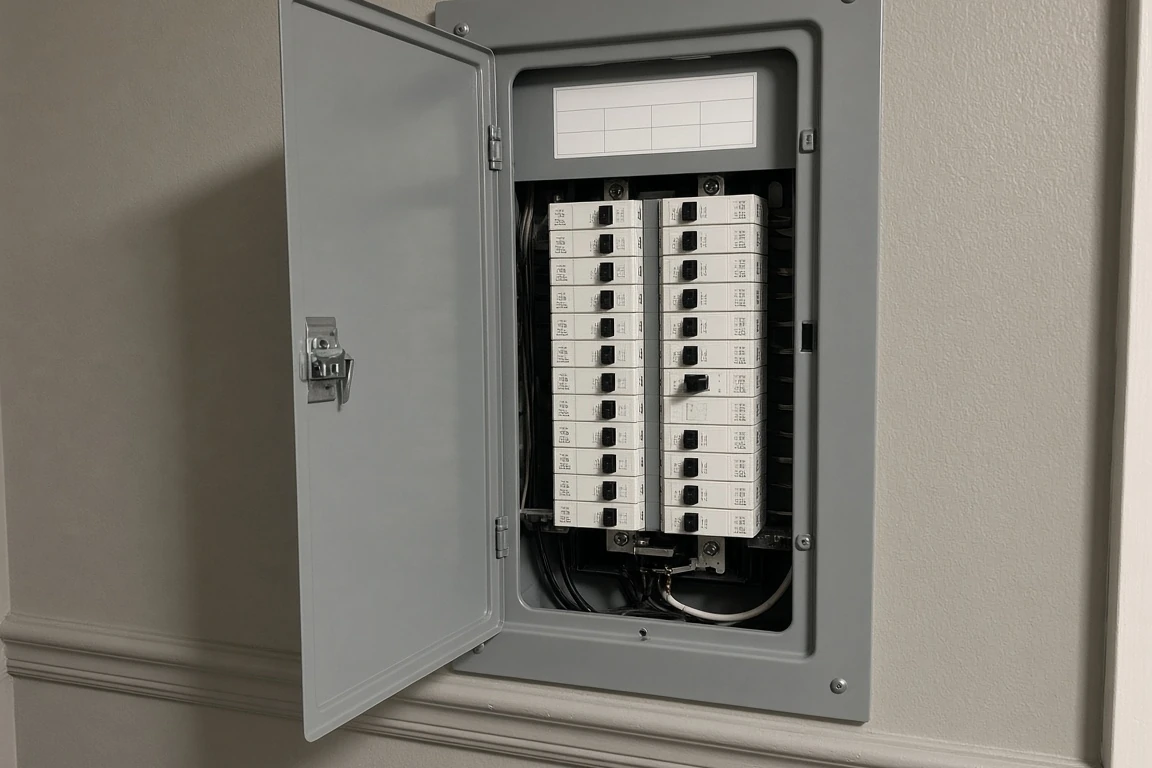
A few minutes of looking around can save you a service call, or at least make the one you book go faster. None of these checks mean taking anything apart. They just help you sort a simple hiccup from a real repair.
One rule comes before all of them. If you smell gas near the heater, skip this list. Don't flip switches or try to light anything. Leave the area and follow your gas utility's safety guidance.
- Is it every tap, or just one? If the kitchen has hot water but one shower doesn't, the problem may be that fixture's valve, not the heater. Our shower repair and faucet repair services cover those.
- On an electric heater, check the breaker panel. A tripped breaker can look exactly like a dead heater. If it trips again after you reset it, leave it off. That's a sign of an electrical fault inside the unit.
- On a gas heater, see if your other gas appliances work. If the stove won't light either, the issue may be the gas supply, not the heater.
- Look at the temperature dial. It's easy to bump during cleaning or storage, and a dial turned too low can pass for a failing heater.
- Think about how much hot water you've used. Back to back showers, a full load of laundry and the dishwasher all at once can drain a working tank. Wait an hour and test again.
- Trace any water to where it starts. Wipe the area dry and watch where it comes back. It may be a nearby pipe, a drip from the relief valve's discharge pipe, or condensation, not the tank itself.
While you're there, find the cold water shutoff valve that feeds the heater and make sure you can reach it. You may never need it. If a small drip turns into a steady leak, though, you'll be glad you already know where it is.
If the pilot is out on a gas tank, most heaters have lighting instructions printed on a label on the unit. If you're comfortable following them, that's the place to start. If the pilot won't stay lit after that, stop. That usually points to a part that needs replacing, and trying again and again won't fix it.
Here's when to stop checking and call. The breaker keeps tripping. The pilot won't hold. Water keeps coming back after you dry the area. You've got no hot water and can't find a simple reason. At that point, the cause is inside the heater, and the details you noted from the earlier sections will help us narrow it down.
Not sure what you're looking at? That's fine. Tell us what you checked and what you saw, even if it seems small. One customer wrote that our staff "explain repairs in plain language," and that's how we'll try to talk through your heater with you, too. We'll explain what we think is going on and what the repair or replace choice looks like before any work starts.
Urgent Water Heater Problems vs. Issues That Can Wait
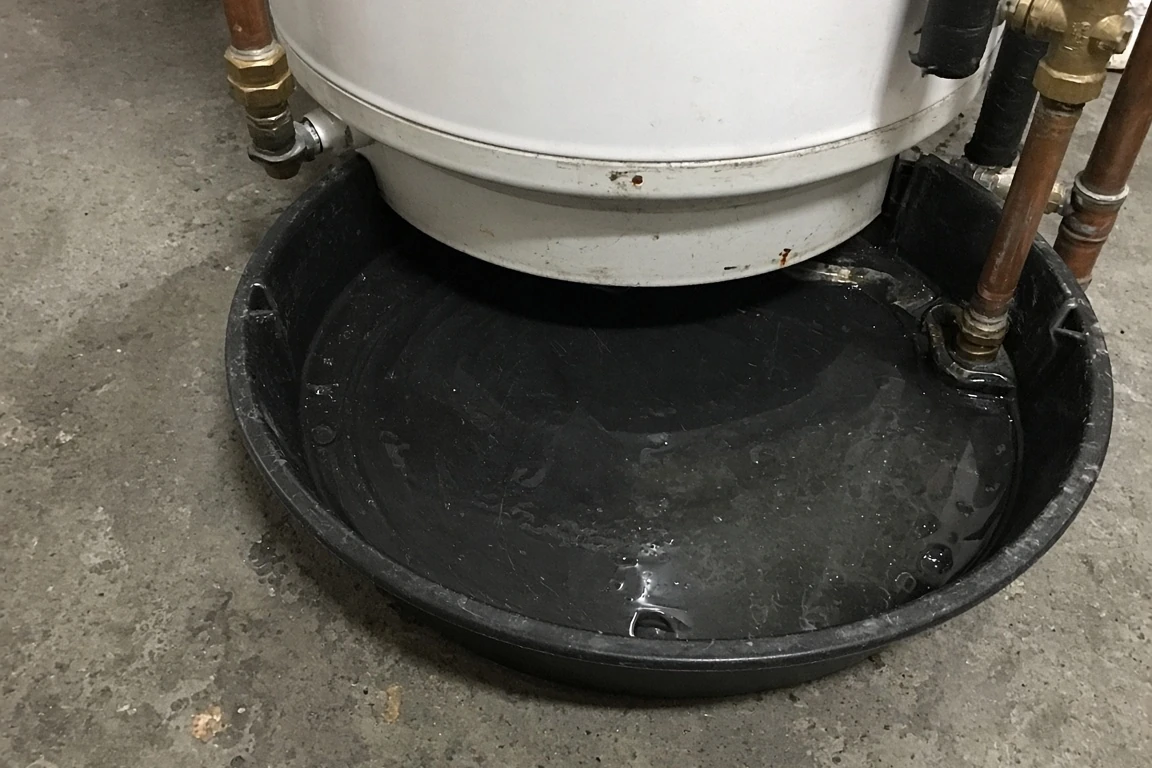
Ask yourself two things. Is water going somewhere it shouldn't? Is anything about the heater unsafe? If the answer to either one is yes, don't wait. If the heater still works but not as well as it used to, you usually have time to plan the repair around your week.
Call the same day if you notice any of these:
- Water pooling, spraying or steadily dripping from the tank, a fitting or a supply line. This matters even more when the heater sits in a closet, on an upper floor or in a finished basement, where water can soak into floors and walls before you see it.
- The relief valve or its discharge pipe letting out water or steam again and again. That valve opens when temperature or pressure inside the tank climbs too high. If it keeps going off, something inside isn't working right.
- Scorch marks, soot or melted plastic near the burner, the controls or the vent.
- A gas smell or a breaker that trips again after a reset. These were covered in the checks above, and both mean stop and call.
- No hot water in a home where someone really depends on it, like a baby, an older family member or someone recovering from an illness.
These can usually wait a few days for a planned visit:
- Rumbling or popping when you still have plenty of hot water.
- Hot water that runs out a little sooner than it did last year.
- A rotten egg smell from the hot tap only.
- Rusty looking hot water when there's no water around the tank.
- A tankless error code that clears on its own and the unit keeps heating.
- A few drops from the drain valve that a pan or towel easily catches.
Waiting doesn't mean forgetting about it. Small problems tend to grow. Sediment that only makes noise today can keep building up, and a slow drip can turn into a steady one. Check the spot once a day. If the noise gets louder, the hot water gets shorter or the drip gets faster, move it to the urgent list.
Here's how that might look in real life. You spot a damp patch under the heater in your garage on a Saturday evening. Dry it and wait an hour. If it's wet again, treat it as a steady leak and call us. If you only find a few drops the next morning, and they're coming from the drain valve, a visit early in the week is fine.
Our emergency plumbing hours run 7 AM to 11 PM, seven days a week, and water heater failures are part of that service. If a leak starts late at night, the cold water shutoff you found earlier can slow the damage until we're open.
When you reach us, tell us which list your problem fits and what you've noticed so far. That helps us figure out together how soon someone should come out and what to look at first. One customer wrote that we "explain the problem and the cost before starting," and that's how we try to handle every call, whether it's urgent or not.
What Happens During a Water Heater Repair Visit
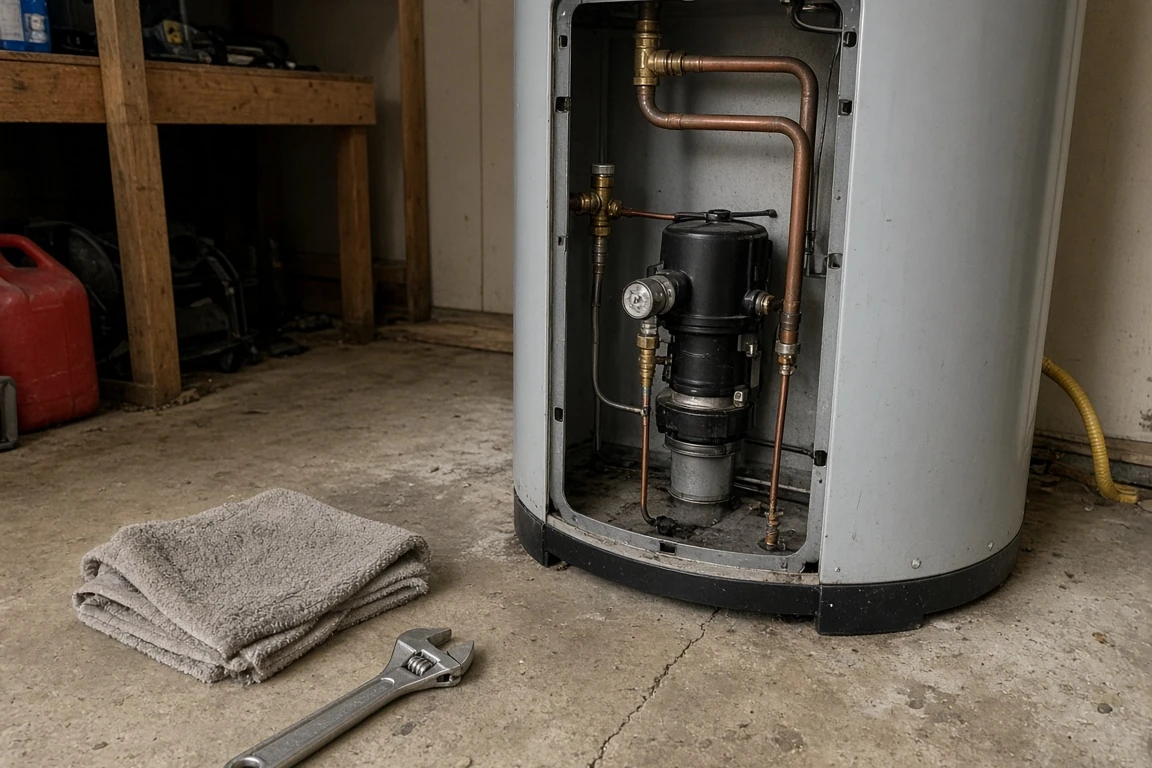
A water heater repair visit isn't a mystery, and it shouldn't feel like one. Most repairs follow the same basic path: find the cause, explain it, fix it, then prove it's fixed. Knowing that path ahead of time makes it easier to ask good questions and spot whether the work was done right.
Here's what a typical repair visit looks like, step by step.
- Confirming the symptom. The plumber starts with what you noticed and what you already checked. This is where your notes on the heater's fuel type, tank style and age come in handy.
- Testing, not guessing. On an electric heater, that often means testing the elements and thermostats for power. On a gas heater, it means looking at the pilot, flame sensor, burner and gas valve. The tank, fittings and relief valve get a close look for leaks or rust.
- Explaining what failed. Before any parts get swapped, you should hear what broke, why, and what the fix involves. This is the right time to ask the questions from the repair or replace section.
- Making the repair. Power or gas gets shut off and the water supply is closed. Some jobs, like replacing an electric element, mean draining part of the tank first. Others, like a new thermostat, don't.
- Bringing it back online. The tank is refilled before power or gas is turned back on. Air gets bled out of the lines, which is why your taps may sputter for a moment afterward.
Some repairs wrap up in one trip. Others don't. A tankless unit or an older model may need a part that has to be ordered, so a second visit is normal and isn't a sign that something went wrong.
You can help the visit go faster with a little prep. Clear a path to the heater and a few feet of space around it. Move boxes, bikes or storage bins out of the way in a garage, closet or basement. Keep pets in another room, and make sure someone home knows where the breaker panel and the water shutoff are.
After the repair, check the work yourself. Run a hot tap and feel for steady heat. Keep in mind that a tank which was drained or cooled down needs time to reheat fully, so don't judge it in the first few minutes. Look around the base and the fittings for drips later that day and again the next morning. If anything seems off, call back while the details are fresh.
Sometimes the visit turns up something beyond the heater, like a corroded supply line or a gas connection that needs attention. Because we handle full plumbing and drain service, including water line repair and gas line work, those can be looked at without bringing in someone new. Our work is done under Oregon CCB License #257405.
Water heater repair is one of the core services we offer as a local Lake Oswego plumber, and if you have no hot water you can request a water heater repair visit.
Frequently Asked Questions
Common questions about Water heater repair
How long does a typical water heater last before it needs replacing instead of repairing?
Most tank water heaters are built to last roughly a decade. A heater around five years old with a single failed part, like a thermostat, is usually a good candidate for repair. One nearing or past that ten year mark, especially if it's needed repeat fixes, is a stronger case for replacement instead.
Can I still shower if only one bathroom has no hot water?
Yes, and this is a helpful clue. If one shower runs cold but the kitchen tap has hot water, the problem is likely that fixture's valve, not the heater itself. That's a smaller fix, and it means your water heater is probably working fine.
What should I do if my water heater's pilot light won't stay lit?
Stop trying to relight it yourself and call for a repair visit. Most gas heaters have lighting instructions on a label, so it's fine to try once. But if the pilot won't hold after that, it usually points to a part that needs replacing, and repeated attempts won't fix it.
Is it normal to need a second visit to finish a water heater repair?
Yes, this happens sometimes and it doesn't mean anything went wrong. Tankless units and older models sometimes need a part ordered in before the repair can be finished, so a follow-up visit is a normal part of the process, not a sign of a mistake.
Ready to Get Started?
Call (971) 455-3804 now for a free estimate.
Call (971) 455-3804Open 7 AM to 11 PM, seven days a week.