Water filtration system installation
Water Filtration System Installation in Lake Oswego
4.9 ★ on Google (16 reviews)Open 7 AM to 11 PM, 7 days
Why Lake Oswego Homes Often Need Filtration, Not Softening
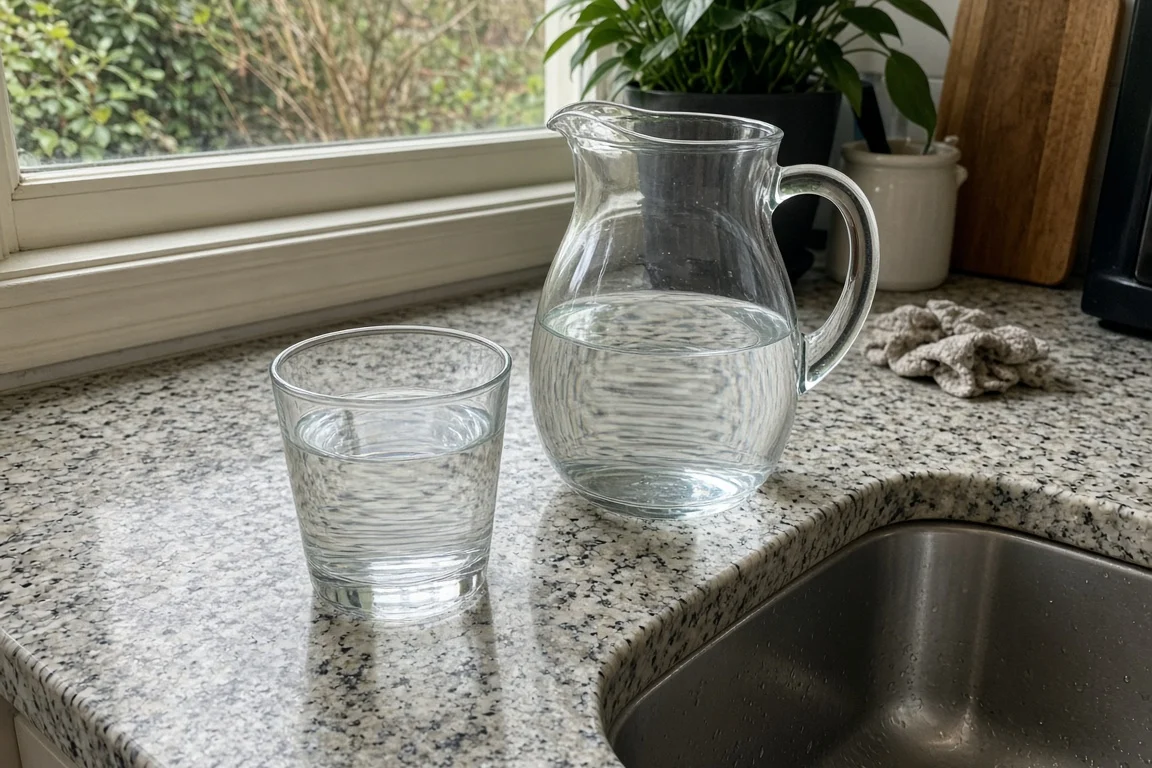
A softener only removes hardness minerals like calcium and magnesium. If your complaint is taste, smell, cloudiness, or a specific contaminant, a filter is the tool that matches the problem. The city's water quality report and a simple test tell you which one you need.
A lot of people start shopping for a water softener when what really bugs them is how their water tastes or smells. It's an easy mix-up. Both systems sit near where water enters the house, and both get called "water treatment." But they do different jobs, and buying the wrong one means you pay for a water filtration system installation that doesn't fix what you noticed.
A softener does one thing. It swaps out the hardness minerals that leave white crust on faucets, spots on glasses, and scale inside water heaters. That's it. It won't take out a chlorine smell, and it won't make water taste better. It won't catch sediment or deal with most of the things people worry about in drinking water.
Most Lake Oswego homes on city water get treated surface water. Water from a river source tends to be lower in hardness minerals than water pumped from deep underground. So for many households here, scale isn't the main issue. The more common complaints are things a filter is built to handle.
- A pool-like smell or taste from the disinfectant the water utility adds to keep water safe on its way to you
- Cloudy water or bits of grit, which can show up after nearby water main work or in older service lines
- A metallic or "off" taste that makes you buy bottled water for drinking and cooking
- Worry about specific contaminants, which calls for a filter rated for that exact contaminant, not a general one
Here's a simple way to sort it out. Look at your faucets and shower glass. If you see heavy white buildup that's hard to scrub off, hardness may be part of the picture. If the fixtures look fine but you don't like drinking from the tap, filtration is the better match. Some homes have both problems, and that's fine too. You just want each piece of equipment doing a job you need done.
You don't have to guess. Every community water system has to publish a yearly water quality report. The City of Lake Oswego's report shows what's been found in the water and at what levels. It's a good first read before you pick a system. If your home is on a private well, that report won't apply to you. A well needs its own lab test, because well water can carry iron, sediment, or bacteria that city water usually doesn't.
Testing also guards against overbuying. A whole-house filter with several stages costs more to buy, install, and maintain than an under-sink unit. If your only concern is drinking water at the kitchen tap, a point-of-use filter may be all you need. If you want filtered water at every shower and faucet, a whole-house system on the main line makes more sense. The test results and what you're trying to fix should drive that choice, not a sales pitch.
If your water does turn out to be hard, we handle water softener installation too, on a separate page. For most people reading this, though, the question isn't hard versus soft. It's which filter matches what's in your water and where in the house you want it treated.
Signs Your Home Is Ready for a Whole-House System
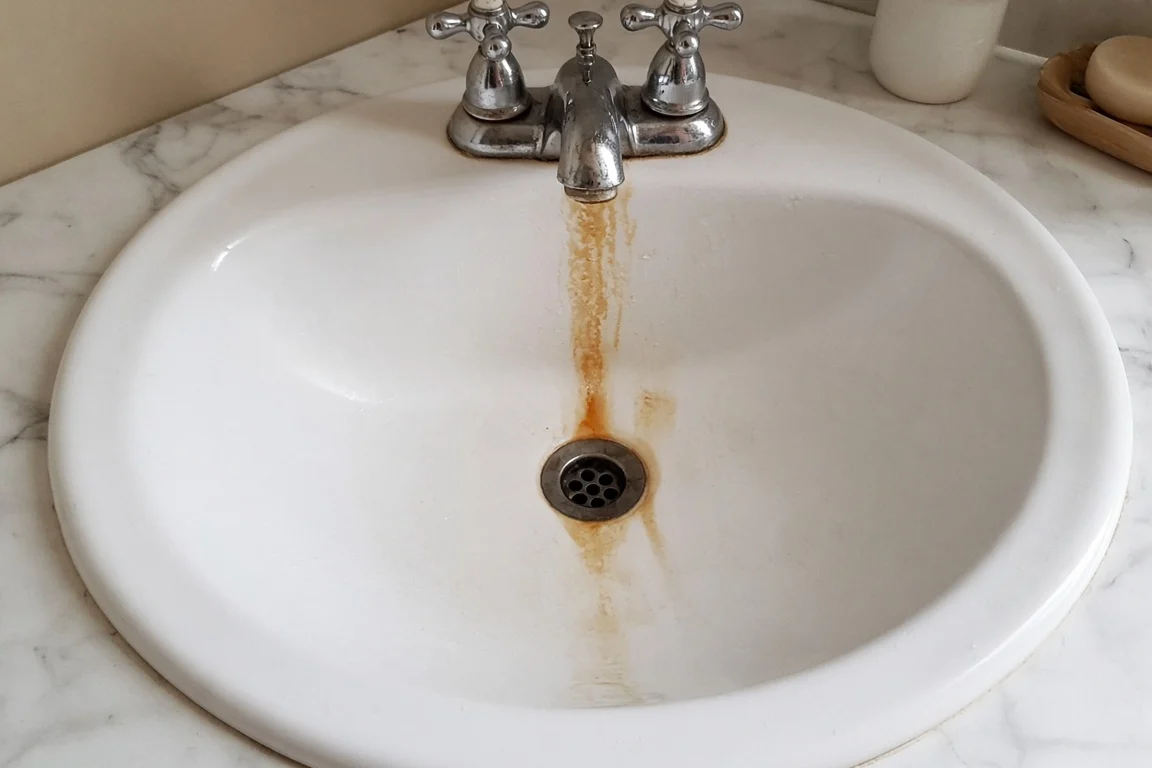
A whole-house system makes sense when the problem follows you from room to room. If you only mind the taste of a glass of water, a kitchen filter handles that. But if you notice the same thing in the shower, the laundry, and the ice maker, one filter at the sink won't reach it.
Here are the signs that point toward treating water where it enters the house:
- You smell chlorine in the shower steam, not just in your drinking glass.
- Showerheads, faucet aerators, or the screens on your washer and dishwasher keep clogging with grit.
- You've already put filters on two or three taps, and the cartridge changes are adding up.
- Your test results show something you don't want at any tap, including the bath where kids splash and swallow water.
- White laundry looks dingy or picks up a tint, and you've ruled out the detergent.
If two or more of those sound familiar, a single system on the main line is often simpler than chasing the problem one fixture at a time. You get one set of filters to change instead of several, and every faucet gets the same water.
Wanting it isn't the same as the house being ready for it, though. A whole-house filter gets cut into the main water line, so a few things about your plumbing matter before anyone quotes the job.
First, there needs to be room. The filter housings sit near where the main line comes in, often in a garage, basement, crawlspace entry, or utility closet. You'll need space to reach them, because you'll be swapping cartridges for as long as you own the system. A filter you can't get to easily is a filter that doesn't get changed.
Second, the main shutoff valve should work. If it's stiff, leaks when you turn it, or won't close all the way, that has to be dealt with as part of the install. The same goes for corroded or patched pipe right where the system would go. Tying new equipment into tired pipe just moves the weak spot.
Third, think about water pressure. Water has to push through every filter stage, and that can drop flow a little at the fixtures. If your pressure is already weak, sort that out before adding filtration, or you'll blame the filter for a problem that was there first. We also handle low water pressure repair on a separate page.
Some systems need more than a spot on the pipe. Units that flush themselves clean need a nearby drain, and some need a power outlet. A good install also adds a bypass valve so water can go around the filter during cartridge changes or repairs. That way you're never stuck without water.
All of this shapes the quote. The main cost drivers are the number of filter stages, the size and material of your main line, how easy it is to reach, and whether the shutoff, pipe, or pressure needs work first. When you talk to any plumber about this job, ask what's included, which filters the system uses, how often they need changing, and what replacements run. Those answers tell you what the system really costs to own, not just to put in.
When You Don't Need a Whole-House Installation
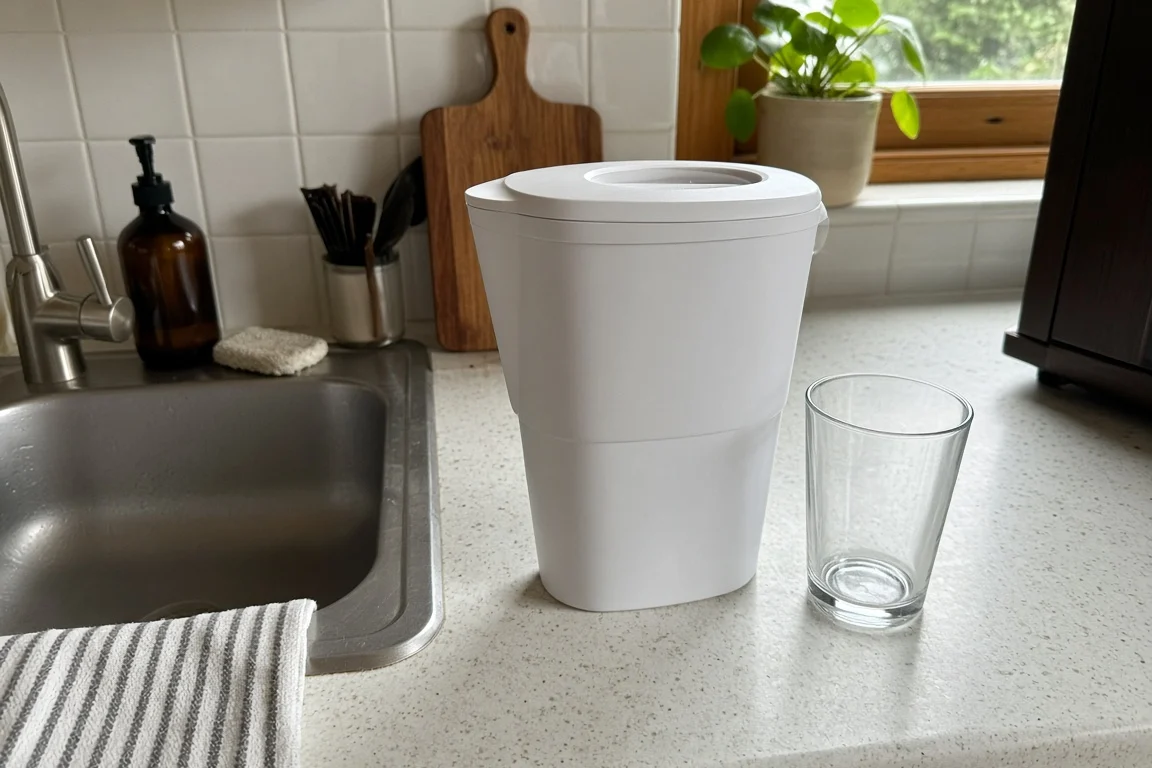
A whole-house filter is a real project. It means cutting into the main line, finding space for the housings, and changing cartridges for years. Plenty of homes don't need any of that. Here are the cases where a smaller step, or a different fix, makes more sense.
You only care about what you drink. If the shower and laundry seem fine and your only complaint is the glass of water at the kitchen sink, a filter at that one tap does the job. A pitcher, the filter in your fridge, or a faucet-mount unit can be enough when the issue is mild taste. An under-sink system is the next step up. None of these needs a plumber to touch your main line.
You rent or plan to move soon. A main-line system stays with the house. If you won't be there long, a countertop or faucet filter you can pack up and take with you is the smarter spend.
Your cloudy water clears on its own. Fill a clear glass and set it on the counter. If the cloudiness fades from the bottom up within a minute or two, it's tiny air bubbles, not dirt. That's harmless, and a filter won't change it.
The grit showed up suddenly after work on your street. Sediment that appears after nearby water main repairs often settles out once the lines are flushed. If it keeps coming back weeks later, that's when a sediment filter is worth a look. Call the City of Lake Oswego first, since they can tell you whether work in your area explains it.
The problem only shows up in hot water. A rotten egg smell, rusty color, or popping sounds that happen only on the hot side usually point to the water heater, not the water coming into the house. A filter on the main line won't fix a tank problem. That calls for water heater repair, which has its own page.
It's one faucet, not the whole house. If a metallic taste or brown tint comes from a single tap, the cause is likely that fixture or the pipe feeding it. Run a few other faucets and compare. When the problem is your pipes, filtering the water just covers it up. In older homes with corroded supply lines, repiping is the lasting fix, also covered on its own page.
Your worry is lead. If lead is the concern, the most direct move is a filter at the tap you drink from that's certified to reduce lead, plus finding out where the lead may be coming from. Lead usually enters water from old pipes, solder, or fixtures inside a home, not from the source. A main-line filter can't fix pipes that come after it.
If you read through this list and saw your situation, you probably don't need a whole-house system right now. That's a good thing to know before anyone writes up a quote.
How Installation Works on Your Water Line
Once you know what you're filtering and where, the install itself is fairly straightforward. Here's what a typical job involves, so nothing on the day comes as a surprise.
A whole-house system usually goes in like this:
- The water gets shut off at the main, and the lines are drained so the pipe can be opened without a flood. Plan on having no water for part of the visit.
- A section of the main line is cut out just past the shutoff, so every tap in the house gets filtered water. This is also where the bypass valve mentioned earlier gets built in.
- The filter housings are mounted to a wall or bracket so their weight doesn't hang on the pipe. Each one needs enough clearance below it to unscrew the housing and pull the cartridge.
- The housings are connected to the main line with fittings that match your pipe, whether that's copper, PEX, or older galvanized steel.
- If the system flushes itself or needs power, the drain line and outlet get connected at this stage.
There's one step people don't expect. In many older homes, the metal water pipe is part of the electrical grounding system. Cutting it and putting plastic filter housings in the middle can break that path. A short jumper wire clamped on each side of the filter keeps the ground connected. It's a small detail, but it matters for safety, so ask about it if your home has metal supply pipe.
An under-sink system is a smaller job. The filter ties into the cold water line under the kitchen sink. Most come with their own small faucet, which goes into an existing spare hole in the sink or a new hole in the sink or countertop. Some systems also run a line to the fridge for filtered ice and water. Reverse osmosis units need one more connection to the sink drain for the water they flush away.
Before calling the job done, a few checks should happen:
- The water comes back on slowly, and every new joint gets checked for drips.
- New cartridges get flushed. Carbon filters often push out a little black dust at first. That's normal and clears in a few minutes.
- Faucets around the house get run to clear trapped air, and flow is checked so you know the filter isn't choking your pressure.
- You're shown where the bypass valve is, which cartridge goes where, and roughly when each one needs changing.
That last point is the one that decides whether the system keeps working. A filter that's past its life doesn't just stop helping. It can slow your water to a trickle. Write the change date on the housing or set a phone reminder the day it goes in.
We're licensed with the Oregon Construction Contractors Board under CCB License #257405, and we bring 20 years of hands-on plumbing experience to work on water lines. When you call, tell us what you've noticed in your water and whether you're thinking about one tap or the whole house. That lets us talk through which kind of install fits before anyone cuts a pipe. One reviewer wrote that we explain the problem and the cost before starting, with no surprise charges on the final bill. That's one customer's experience, but it's the kind of conversation you should expect from any plumber on a job like this.
What Drives Installation Cost
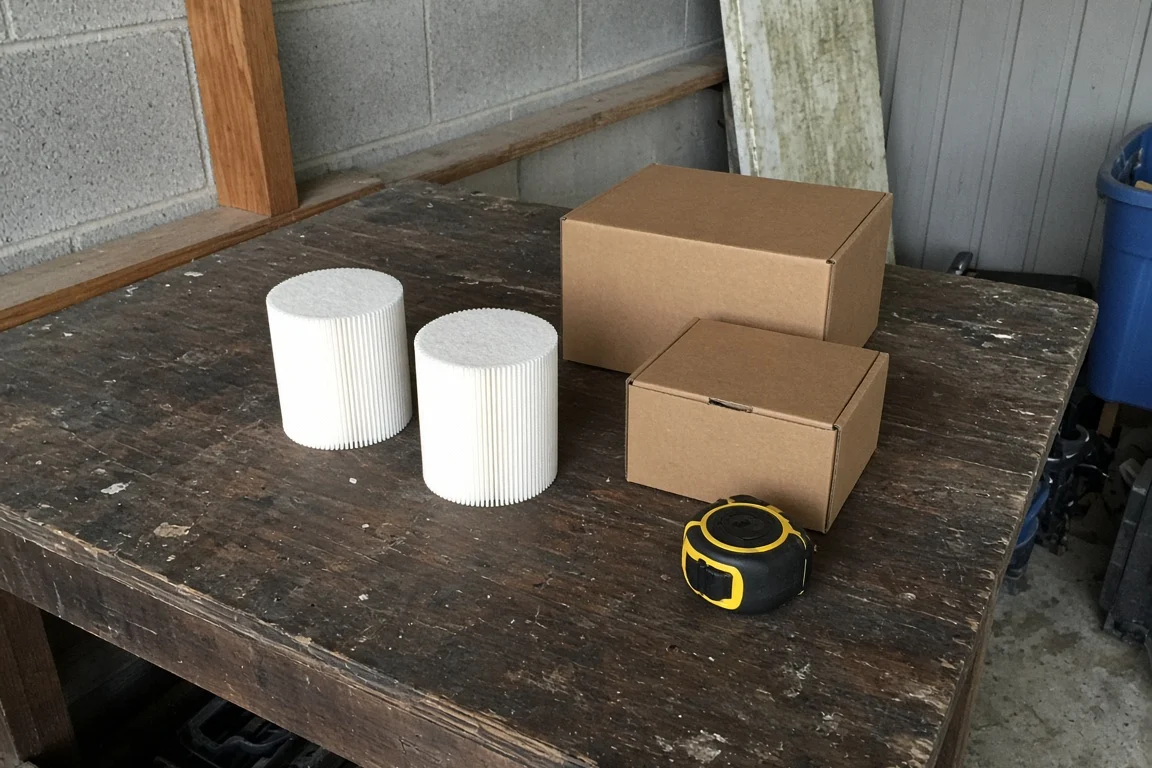
There are really two costs here: what it takes to put the system in, and what it takes to keep it working. A quote that looks low can cost more over a few years if the cartridges are pricey or need frequent changes. The main line factors above set part of the price. The rest comes down to the points below.
The type of system matters most. Each step up adds parts and labor:
- A faucet-mount or pitcher filter needs no plumber at all.
- A basic under-sink filter ties into one cold line and is usually the simplest plumbed job.
- A reverse osmosis unit adds a storage tank, its own faucet, and a drain connection. A line to the fridge adds a little more.
- A whole-house cartridge system means cutting into the main line, mounting housings, and adding a bypass.
- A whole-house system that flushes itself clean also needs a drain nearby and often a power outlet.
Small extras can add up. Drilling a new faucet hole in a stone or quartz countertop takes more time and care than using a spare hole in the sink. If there's no outlet near where a self-flushing unit goes, you may need an electrician for that part. The grounding jumper on metal pipe is a small item, but it should be on the quote, not left off.
Who buys the equipment also changes the math. Some homeowners buy a filter online and just want it hooked up. That can save money, but it puts the risk on you. If the fittings don't match your pipe, a part is missing, or the unit is too small for your home's flow, the job can stall or need a second trip. When the plumber supplies the system, they're choosing parts that fit your line, and the price reflects that.
Then there's how the job is priced. Some plumbers quote a set price for a clearly defined job. Others charge for time and materials. Either can be fair. What matters is knowing what happens if something unexpected turns up, like a shutoff valve that won't close once the work starts. Ask how that would be handled and priced before work begins.
Last, think about the years after the install. Sediment cartridges clog faster in homes that get grit in the water. Carbon filters wear out based on how much water you use. Reverse osmosis membranes last longer but cost more to replace. Ask what each replacement part is, roughly how often it needs changing in a home like yours, and whether you can swap it yourself.
When you compare quotes, make sure each one spells out the same things:
- The exact system and every filter stage included
- Whether the bypass valve, grounding jumper, and any drain or fridge line are part of the price
- Whether a permit is needed and who handles it
- How surprise repairs found during the job would be priced
- What replacement cartridges cost and how often you'll need them
Two quotes that cover the same list are easy to compare. Two that don't aren't really quoting the same job.
Filtration installs are part of the work of our Lake Oswego plumbing team, and once you know what you want to filter you can ask about a water filtration system.
Frequently Asked Questions
Common questions about Water filtration system installation
Do I need a permit to install a whole-house water filtration system in Lake Oswego?
It depends on the scope of the work, since cutting into your main water line can require a permit in many areas. Ask any plumber you're considering whether a permit applies to your job and who takes care of filing it, so it's handled before work starts rather than after.
How long does a whole-house filter installation take?
The water has to be shut off and the main line drained before any cutting begins, so plan on having no water for part of the visit. The actual time depends on how easy the housings are to reach, whether the shutoff valve needs work first, and how many filter stages your system has.
Can I install a water filtration system myself?
You can install smaller units like a faucet-mount or pitcher filter yourself with no plumbing work at all. But a whole-house system means cutting into your main line, and if fittings don't match your pipe or a part is missing, the job can stall or need a second trip, so most people have a plumber handle that part.
Will a water filter slow down my water pressure?
Water has to push through every filter stage, which can drop flow a little at your fixtures. If your pressure is already weak before the install, it's worth sorting that out first so you don't end up blaming the filter for a problem that was already there.
Ready to Get Started?
Call (971) 455-3804 now for a free estimate.
Call (971) 455-3804Open 7 AM to 11 PM, seven days a week.