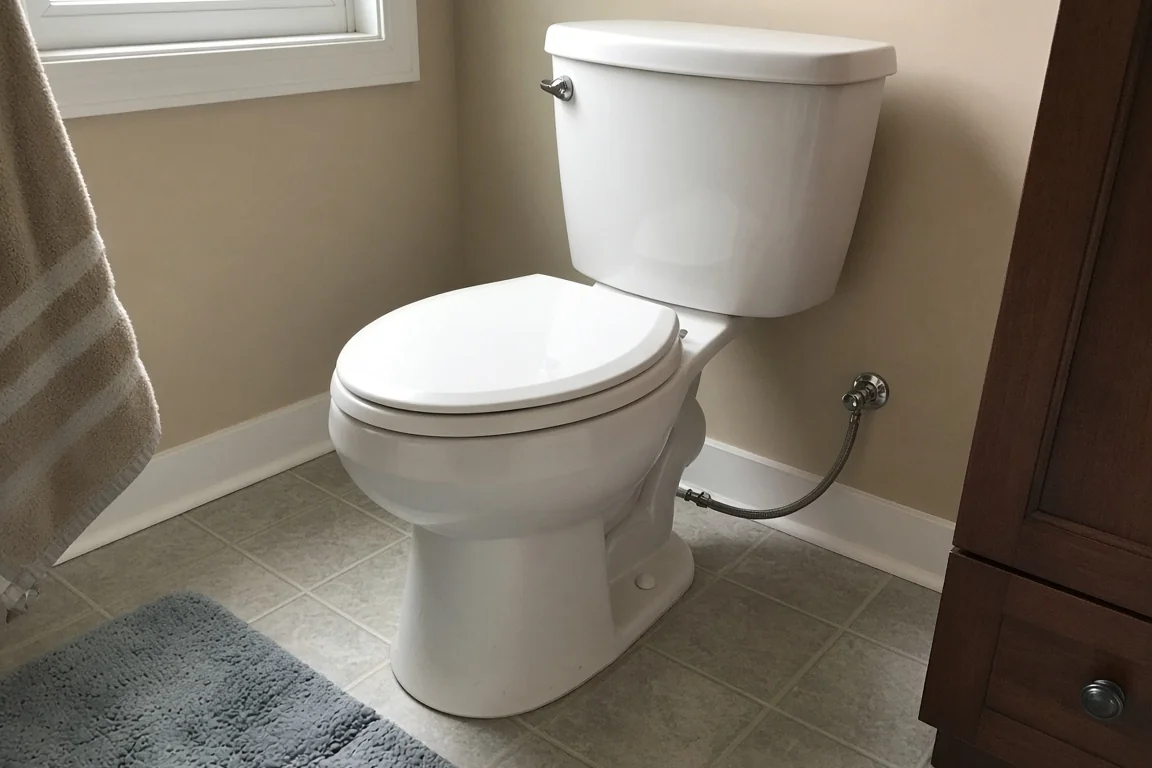
Signs Your Toilet Problem Is Internal, Not Structural
If the trouble is noise, constant running, a slow refill, or a weak flush, the cause is usually a worn part inside the tank. A rocking toilet, water around the base, a soft floor, or a crack in the porcelain points to something bigger. Knowing which side you're on tells you what kind of toilet repair to expect.
Most toilet problems start inside the tank. That's good news. The parts in there are made to wear out and be swapped. The porcelain around them can last for decades. Before you shop for a new toilet, look at what it's actually doing.
These signs usually mean a worn or loose part inside the tank:
- It runs on its own. You hear the tank refill for a few seconds when nobody has touched it. Water is slipping past the flapper or seal at the bottom of the tank.
- It hisses or keeps filling. The fill valve isn't shutting off, or the water level is set too high and spills into the overflow tube.
- It's slow to refill. The tank takes a long time to get back to full, which often comes down to the fill valve.
- The flush is weak or stops partway. The chain may be too long or loose, the flapper may close too soon, or the tank isn't filling to the right level.
- The handle feels loose or you have to jiggle it. The handle, arm, or chain has slipped or worn out.
- There's a drip under the tank. The bolts or gasket that join the tank to the bowl may need tightening or replacing.
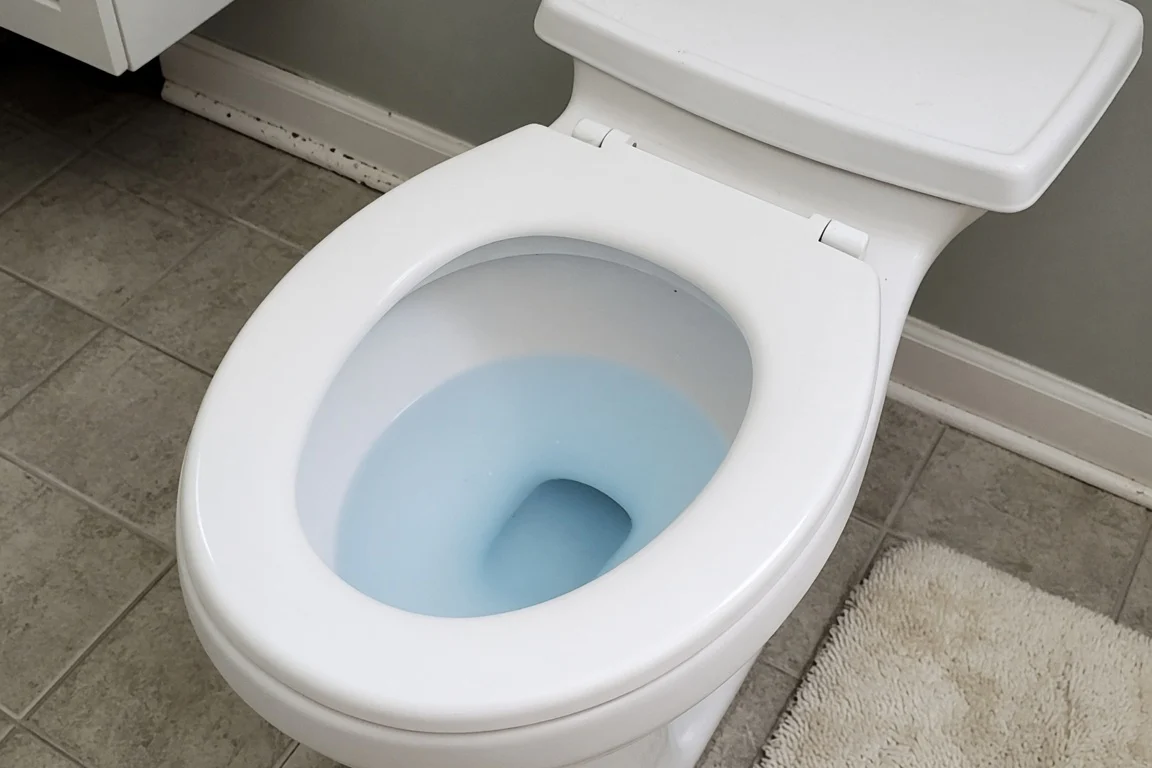
Here's a simple check if you think water is leaking from the tank into the bowl. Put a few drops of food coloring in the tank. Don't flush for about 15 minutes. If color shows up in the bowl, the seal at the bottom of the tank is letting water through. That's an internal fix. It also means you're paying for water you never use, so it's worth handling soon.
A weak flush can also come from a partial clog in the bowl or the drain line rather than the tank. If the tank fills and drains normally but the bowl still won't clear, the blockage is further down. That points to drain cleaning, not new tank parts.
Now the other side. These signs point to the toilet body, the seal under it, or the floor:
- The toilet rocks or shifts when you sit down.
- Water pools around the base, especially right after a flush.
- You notice a sewer smell near the base that won't go away with cleaning.
- The floor near the toilet feels soft, spongy, or stained.
- There's a crack in the bowl or tank, even a thin hairline one that seeps.
A rocking toilet or water at the base often means the wax seal under the toilet has failed. Sometimes the flange it sits on has too. That job means pulling the toilet up and checking the floor before it goes back down. A cracked tank or bowl usually can't be patched in a way that lasts, so that's when toilet installation becomes the honest answer.
If what you're dealing with matches the first list, you're most likely looking at a repair, not a replacement. When you're not sure which list fits, that's the first thing we'll sort out when we look at it. We'll explain what we find in plain terms before any work starts.
Signs the Problem Is at the Base, Flange, or Subfloor
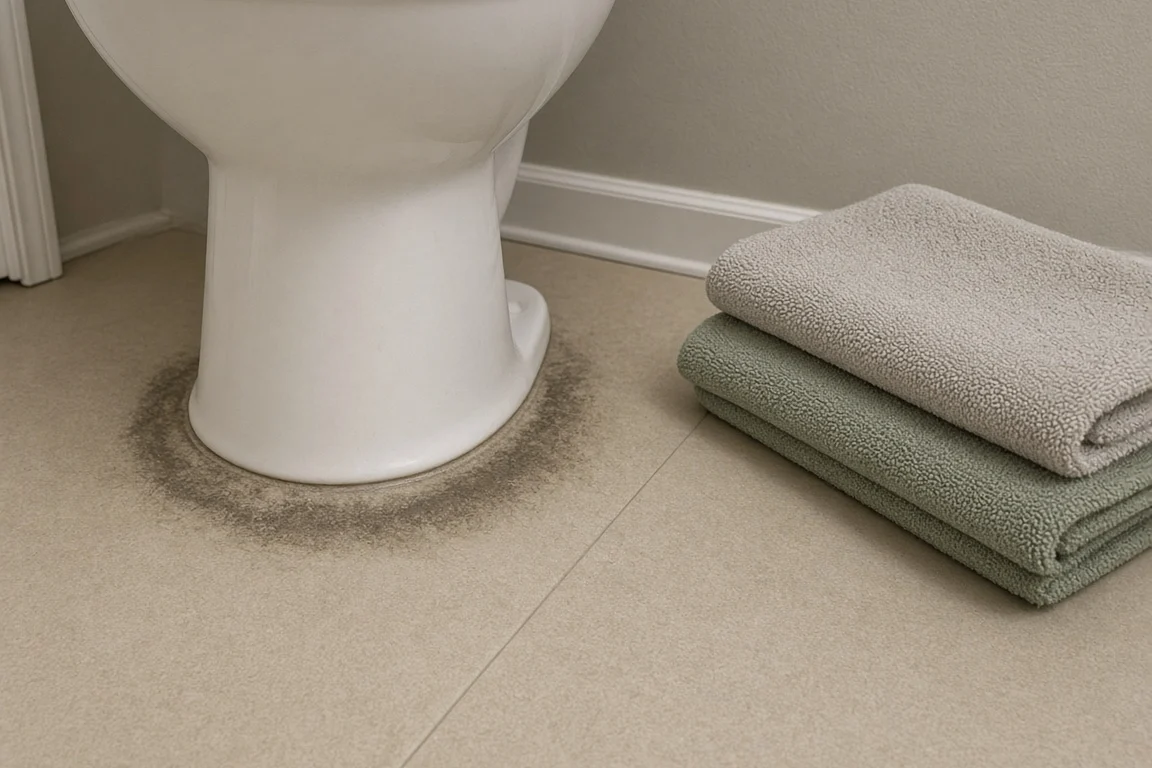
Water on the floor near a toilet doesn't always mean the seal underneath has failed. Before you assume the worst, find out where the water starts. Several common leaks drip down and collect at the base, even though they begin higher up.
- A sweating tank. In humid weather, cold water inside the tank can make the outside bead up and drip, a bit like a cold glass on a summer day.
- The supply line or shutoff valve. A slow drip from the hose or valve behind the toilet can run along the floor and pool at the base.
- The tank bolts. As mentioned above, a drip under the tank can trickle down the side of the bowl.
- An overflow. If the bowl ran over recently, water can sit under the edge of the toilet for a while.
You can usually narrow it down yourself. Dry the toilet, the hose, and the floor with a towel. Then tuck a few strips of paper towel around the base and flush. If the paper gets wet right at the seam where the toilet meets the floor, and the tank and hose stay dry, the water is coming from underneath. That's a base problem.
Once the toilet comes up, the damage falls into one of three levels. Each one is a bigger job than the last.
- The seal only. The flange is solid and the floor is firm, so the fix is a new seal and resetting the toilet so it sits tight and level.
- The flange. The ring the toilet bolts to can crack, rust, or break at the bolt slots. It can also sit too low after a new floor is laid on top of the old one, which leaves the seal unable to close the gap. Some flanges can take a repair ring. Others need to be replaced.
- The subfloor. If water has seeped for a long time, the wood under the toilet can go soft. The toilet can't stay solid on a weak floor, so the damaged section has to be dealt with before the toilet goes back down.
This is why a slow leak at the base is worth taking seriously. It can stay hidden for months while the wood soaks it up. In a second floor bathroom, the first sign may be a stain on the ceiling below, not anything you notice in the bathroom itself.
The honest truth about cost is that nobody can fully see a flange or subfloor until the toilet is lifted. A few things drive the price up or down. The first is whether the flange can be repaired or has to be replaced, and what kind of pipe it connects to. The type of flooring matters too, because tile takes more care to work around than vinyl. The last factor is how much wood, if any, has gone soft. A fair quote should treat the seal as the starting point and explain anything more once the base is open. Before any extra work begins, ask to see what was found and why it matters.
When You Can Fix It Yourself Without Calling a Plumber
A lot of toilet problems don't need us at all. If the trouble matches the inside-the-tank list above, there's a good chance you can fix it in under an hour with a part from the hardware store. Here's the straight answer on what's fair game for most people.
Before you reach into the tank, turn the shutoff valve behind the toilet clockwise until it stops. Then flush to empty most of the water. That gives you room to work and keeps the floor dry.
- A chain that's too long or too short. If the flush is weak or the flapper won't seal, move the chain clip so there's just a little slack when the flapper is closed.
- A loose or floppy handle. Tighten the nut on the inside of the tank that holds the handle in place. Snug is enough. Too tight can crack the porcelain.
- Water spilling into the overflow tube. The fill level is set too high. Most fill valves have a float you can lower with a clip or an adjustment screw.
- A worn flapper. If your food coloring test showed a leak, a new flapper is cheap and simple to swap. Bring the old one to the store so you get a match for your toilet.
- A sweating tank. Drips from condensation aren't a leak. Running the bathroom fan or cracking a window after showers usually helps.
- A simple clog. A flange plunger with the rubber sleeve on the bottom works better on a toilet than a flat cup plunger. Give it steady, firm pushes rather than hard slams.
If you're replacing the whole fill valve or the flapper and its seat, that's still a doable job for a lot of people. Just read the package, take a photo before you take anything apart, and go slow.
There's also no rush on some of these. A toilet that runs now and then wastes water, but it isn't an emergency. If you can't get to it today, you can close the shutoff valve between uses and open it again when you need to flush.
A few other signs mean the job has moved past a quick fix:
- You've replaced the part and the problem is still there.
- The tank-to-bowl bolts are rusted or keep dripping after you've tightened them.
- The toilet clogs again and again, or other drains in the house back up too.
- Anything from the base list: rocking, water at the seam, a soft floor, or a crack.
Repeat clogs and backups in more than one drain usually point to the line, not the toilet. A base leak means lifting the toilet, which is a heavier job with more ways to go wrong. If the fix is a cheap flapper and ten minutes of your time, though, do it yourself. That's the honest advice.
What Happens During a Toilet Repair Visit
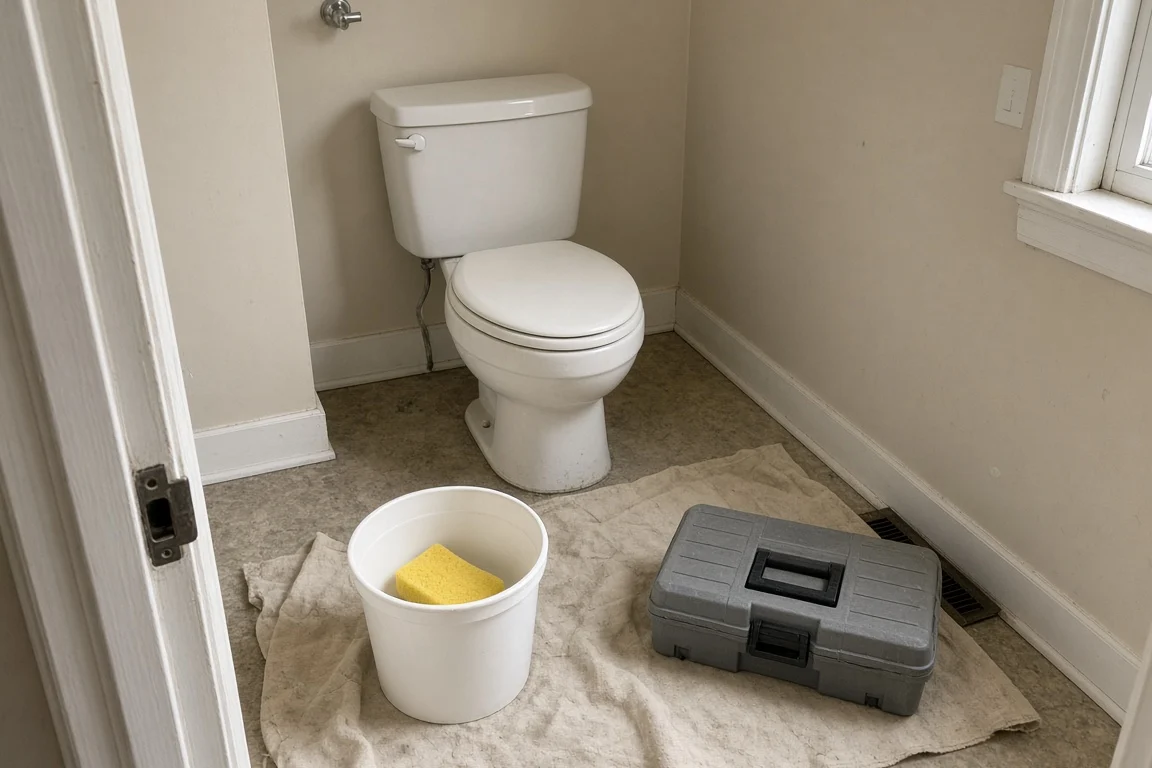
Once you've decided the job needs a plumber, a few minutes of prep can make the visit faster and the quote clearer. It also helps you know what a good repair looks like before anyone leaves.
When you call, share what you've noticed. These details help narrow the likely cause before anyone arrives:
- Which signs you've seen, such as running, weak flushing, rocking, or water at the base
- How long it's been going on
- Whether the bathroom is on a second floor with a ceiling below it
- What kind of flooring is around the toilet, such as tile, vinyl, or wood
- Anything you've already tried, like a new flapper or a tighter handle nut
- Whether the shutoff valve behind the toilet turns freely or seems stuck
Before the visit, clear things off the tank lid and the floor around the toilet. It also helps to keep pets out of the bathroom. If water is actively leaking and you can close the shutoff valve safely, do that and lay down towels.
A solid toilet diagnosis starts outside the toilet. The plumber should check the shutoff valve and the supply line, then look inside the tank. Next comes how the toilet sits on the floor and how it flushes. That order matters, because a leak can look like a base problem when it's really coming from the hose or the tank bolts, as the earlier sections explain.
An inside-the-tank repair is usually the shorter job. The water gets shut off and the tank is drained. The worn part is then replaced and adjusted so the water stops at the right level. A base repair takes more work. The toilet has to be disconnected, lifted, and set aside. Once the flange and floor are in view, the real scope becomes clear.
That moment is where clear communication counts most. You should hear what was found and what it means. You should also hear what it changes about the cost before any added work begins. Lake Oswego homeowners who've worked with us have described that kind of experience in their reviews:
Staff are courteous on the phone, give accurate arrival windows, and explain repairs in plain language.
They explain the problem and the cost before starting, with no surprise charges on the final bill.
Those are individual customer reports. Every repair is different, so ask your plumber to walk you through the plan and the price before work starts on any job.
Before the plumber packs up, check the work together. Here's what a finished repair should look like:
- The toilet flushes fully several times in a row
- The tank refills and then stops with no hiss or trickle
- The supply connection and the tank bolts stay dry
- After a toilet is reset, it sits firm with no rocking
- Paper towel at the base stays dry after a few flushes
Check the base again the next day. A slow leak doesn't always show up right away. Catching it early keeps a small fix from turning into floor damage.
We hold Oregon CCB License #257405 and bring 20 years of hands-on plumbing experience to every toilet repair. Our hours are 7 AM to 11 PM, seven days a week. If water is spreading across the floor or coming through a ceiling, treat it as a major leak and call right away.
What Drives Toilet Repair Cost Up or Down
Most of a toilet repair bill comes down to two things: which part failed, and how much of the toilet has to come apart to reach it. That's why sorting out an inside-the-tank problem from a base problem matters so much. It's the difference between a short, simple job and one where the scope isn't clear until the toilet is lifted.
Here's what tends to push the price one way or the other:
- The part itself. Adjusting a chain or swapping a flapper is quick. Replacing a full fill valve or every part inside the tank takes more time and more parts.
- Your toilet's make and age. Many toilets take common parts that fit lots of models. Some older or less common toilets need a specific flapper, flush valve, or tank seal, and that can mean ordering a part or a second trip.
- Rusted or stuck hardware. Tank bolts that have rusted in place may need to be cut out instead of unscrewed. That adds time, and the bolts and gasket are usually replaced together.
- The shutoff valve and supply line. If the valve behind the toilet won't close or drips when you turn it, replacing it while the water is already off often makes more sense than calling back for it later. It adds parts and labor, but it's done once.
- Whether the toilet has to come up. Lifting the toilet brings in the flange, flooring, and subfloor factors covered earlier on this page.
- When you need help. Some plumbers charge more for evening, weekend, or holiday calls. Ask about it when you book so the timing doesn't surprise you.
It also helps to know how plumbers price this kind of work. Some quote a flat price for a set task, like replacing a fill valve. Others charge for time plus parts. Many charge a service or trip fee to come out and find the problem. No single model is always better. What matters is knowing which one you're getting before work starts.
There's also a point where repair stops being the smart money. A cracked tank or bowl is one, as mentioned above. Another is an older toilet where several parts are failing at once and replacements are hard to find. Those repairs can add up close to the cost of a new toilet. Older toilets also tend to use more water per flush than newer ones, which can tip the math toward replacing. A good plumber will tell you plainly when a new toilet is the better deal, and when it isn't.
Before you agree to any work, these questions will get you a clearer quote:
- Is this a flat price, or time and parts?
- Is there a fee to come out, and does it count toward the repair?
- Which parts are you replacing, and what's included?
- If you find more once the toilet is up, how will you tell me, and what could it change?
- Would replacing this toilet make more sense than repairing it?
Toilet repair is one of the core services we offer as a plumbing contractor in Lake Oswego, and if the quick fixes do not hold you can book a toilet repair visit.
Frequently Asked Questions
Common questions about Toilet repair
Can I keep using the toilet while I wait for a repair?
Yes, as long as there's no active leak spreading across the floor. If the issue is just running water or a weak flush, you can close the shutoff valve between uses to stop waste and open it again when you need to flush. But if water is pooling at the base or coming through a ceiling below, that's a bigger problem and you shouldn't wait.
Why does my toilet clog over and over even after plunging?
Repeat clogs usually mean the problem is in the drain line, not the toilet itself, especially if other drains in your house are slow too. A single stubborn clog is often just a blockage in the bowl, but clogs that keep coming back point to something further down the line that needs a closer look.
Is it normal for my tank to drip in warm weather even if nothing's broken?
Yes, a sweating tank is common and usually not a leak at all. Cold water inside the tank can make the outside bead up and drip, similar to a cold glass on a summer day, and running your bathroom fan after showers usually clears it up.
Ready to Get Started?
Call (971) 455-3804 now for a free estimate.
Call (971) 455-3804Open 7 AM to 11 PM, seven days a week.