Sump pump repair
Sump Pump Repair in Lake Oswego
4.9 ★ on Google (16 reviews)Open 7 AM to 11 PM, 7 days
Diagnosing Why a Sump Pump Stopped Working
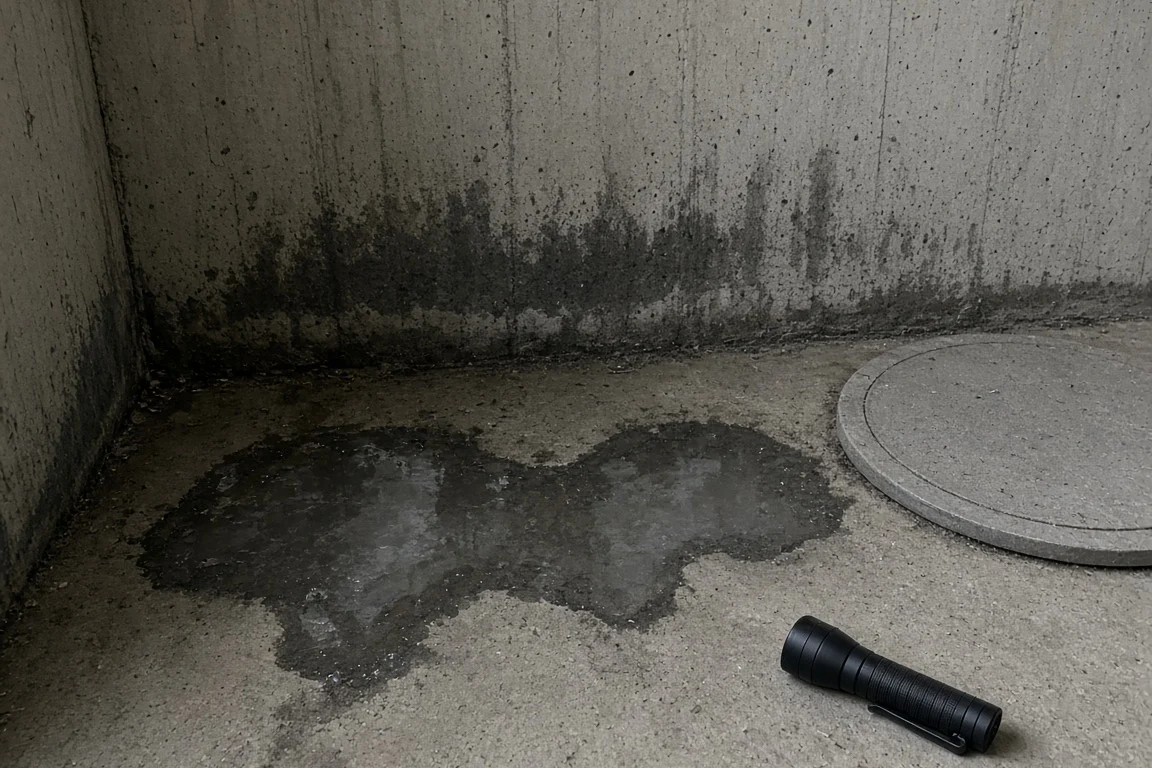
A sump pump that stops working usually shows you the reason through what it does or doesn't do. Silence, humming, nonstop running, and water coming back into the pit each point to a different cause. Knowing which one you have tells you whether it's a quick sump pump repair or a bigger job.
When a sump pump fails, it's easy to assume the whole thing is dead. Often it isn't. A pump has only a few working parts: power, a float switch that tells it when to turn on, a motor and impeller that move the water, and a discharge pipe with a check valve that carries the water away. A problem in any one part looks a little different. That's good news for you, because the symptom narrows down the cause.
Here's what each common sign usually points to:
- Total silence while the pit fills up. Start with power. A tripped breaker, a tripped GFCI outlet, or a loose plug can shut a good pump down. If the power is fine, the float switch may be stuck. Floats can get caught on the pit wall, the power cord, or debris, so the pump never gets the signal to start.
- Humming, but no water moves. The motor is getting power and trying to run. The impeller may be jammed with gravel, silt, or other debris, or the intake screen may be clogged. A motor that hums for a long time without pumping can also burn itself out.
- Running nonstop, even when the pit looks low. A float switch stuck in the on position is a common reason. It can also mean the pump is too small for the water coming in, or that the check valve has failed and water is draining back into the pit.
- Turning on and off every few seconds. This is called short cycling. A bad float adjustment or a failed check valve are the usual suspects. Short cycling wears a motor out fast.
- Running, but the pit still fills. Water may not be getting out. Look for a clogged, crushed, or disconnected discharge line, or a pump that's too worn to keep up.
- Loud grinding, rattling, or banging. Grinding often means a worn or damaged impeller. A loud thud when the pump shuts off can come from the check valve closing hard.
Age matters too. A pump that has worked hard for many years may show more than one of these signs at once. When the motor itself is worn out, a repair may not be worth the cost compared with a new pump. When the problem is a stuck float, a clogged screen, or a bad check valve, the pump itself is often fine.
Timing plays a part here in Lake Oswego. Most of the year's rain falls in the wet season from fall through spring, so a pump can sit quiet for months and then have to run hard right away. Problems like a stuck float or a dried out check valve often stay hidden until the first big storm, which is the worst time to find them.
You don't need to figure out the exact cause before you call us. Tell us what the pump is doing, whether it's silent, humming, cycling, or running without stopping. That helps us understand the likely problem and talk through your options in plain language before any work starts.
Checks to Try Before Calling a Plumber
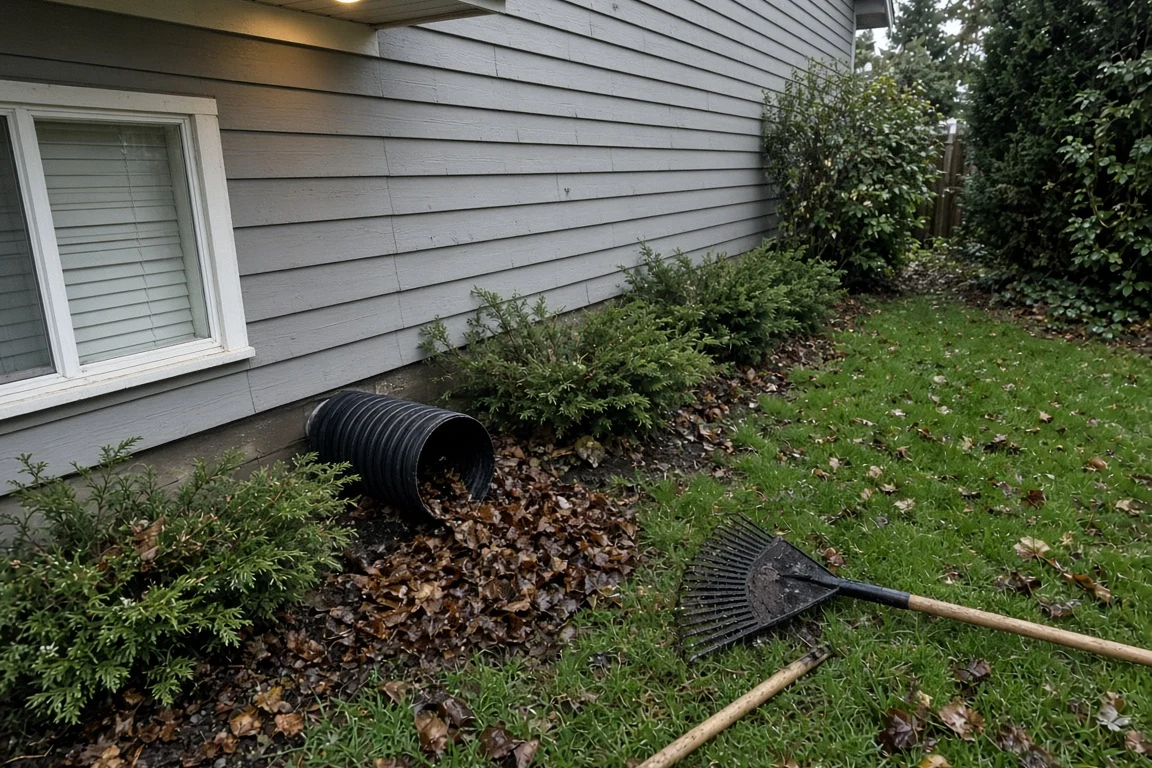
Some sump pump problems don't need a plumber at all. If your pump went quiet or started acting strange, a few minutes of checking can save you a service call. Here's what you can safely try on your own.
- Check the power. Look at your breaker panel for a tripped breaker and reset it. Then find the outlet the pump plugs into. If it's a GFCI outlet, press the reset button. Make sure the plug is pushed all the way in and isn't plugged into a worn extension cord.
- Free the float. Unplug the pump first. Then look at the float switch. If it's caught on the pit wall, the cord, or a pile of debris, move it so it can rise and fall on its own.
- Clear out what you can reach. With the pump still unplugged, pull out loose gravel, leaves, or trash sitting in the bottom of the pit or around the intake screen.
- Test it with water. Plug the pump back in and slowly pour a bucket of water into the pit. The pump should turn on as the float rises and shut off once the water drops. If it does, you may be done.
- Walk outside to the discharge line. Find where the pipe ends in your yard. Clear away leaves, dirt, or anything blocking the opening. If there's a flexible hose on the end, make sure it isn't kinked or crushed.
If one of those steps gets your pump running normally again, you probably don't need us. Keep an eye on it for the next few rainstorms. If it keeps working, the problem was likely just a tripped outlet or a float that got stuck.
It's also a good idea to run that bucket test every so often, even when nothing seems wrong. Doing it before the wet season starts gives you time to fix a small problem before the pump has to work hard.
Some signs mean it's time to stop trying fixes yourself:
- Water in the pit or basement is high enough to reach the outlet, cords, or other electrical parts. Don't step into standing water near anything that's plugged in.
- The pump smells like it's burning, feels very hot, or trips the breaker again right after you reset it.
- The pump hums but still won't move water after you've cleared the pit and freed the float.
- The pump runs but the pit doesn't drain, and the outside end of the line looks clear.
- You hear grinding, or the pump is old and has needed help more than once lately.
Those problems usually live inside the pump, in the check valve, or somewhere along the discharge pipe you can't see. Digging into them without the right tools can make a small repair bigger, or put you near water and electricity at the same time.
Don't worry if you tried everything here and nothing changed. That still helps. Knowing the breaker is fine, the float moves freely, and the outside line is clear rules out the easy causes, so the next step can go straight to what's really wrong.
Repair or Replace: Making the Call
Most of the time, the choice comes down to which part failed. If the trouble is a float switch, a check valve, or a blocked discharge line, fixing that one part usually makes sense, because the motor is still healthy. If the motor itself is worn out, a repair often just buys a little time before the next failure.
Repair is usually the better choice when:
- The problem is a single part, like a float switch, check valve, or intake screen.
- The pump is fairly new and has worked well until now.
- It moves water fine once the blockage or stuck part is dealt with.
- The pump is the right size for the water coming into your pit.
Replacing the pump is often the better value when:
- The motor has burned out, overheats, or keeps tripping the breaker.
- The pump is old and has needed help more than once lately.
- The impeller or housing is cracked or badly worn.
- The pump can't keep up during heavy rain, even when it's running right. That points to a pump that's too small, and fixing it won't change that.
- A repair would cost close to what a new pump costs.
So what makes the price go up or down? Plumbers usually charge either a flat rate for the job or time plus parts. A float switch or check valve is a small part, and it's often a fairly quick swap. A new pump costs more in parts and takes more time. The type of pump matters too, since a pump that sits down in the pit is handled differently from one that stands above it. Hard to reach pits, damaged discharge pipe, and calls made in the middle of a storm can all add time.
Before you agree to any work, it's fair to ask a few questions. What exactly failed, and why? Is the rest of the pump in good shape? How does the repair cost compare with a new pump? If you replace it, should the new one be a different size? Clear answers to those questions make the choice a lot easier, and any plumber should be glad to give them.
Timing is worth thinking about too. Because Lake Oswego gets most of its rain from fall through spring, an older pump that limps through the dry months is a real risk once the storms start. Replacing a tired pump in late summer is a calm, planned job. Replacing it while your basement is filling up is not.
If a new pump turns out to be the better fit, we also handle sump pump installation, so you won't need to start over with someone new.
What Happens During a Sump Pump Repair Visit
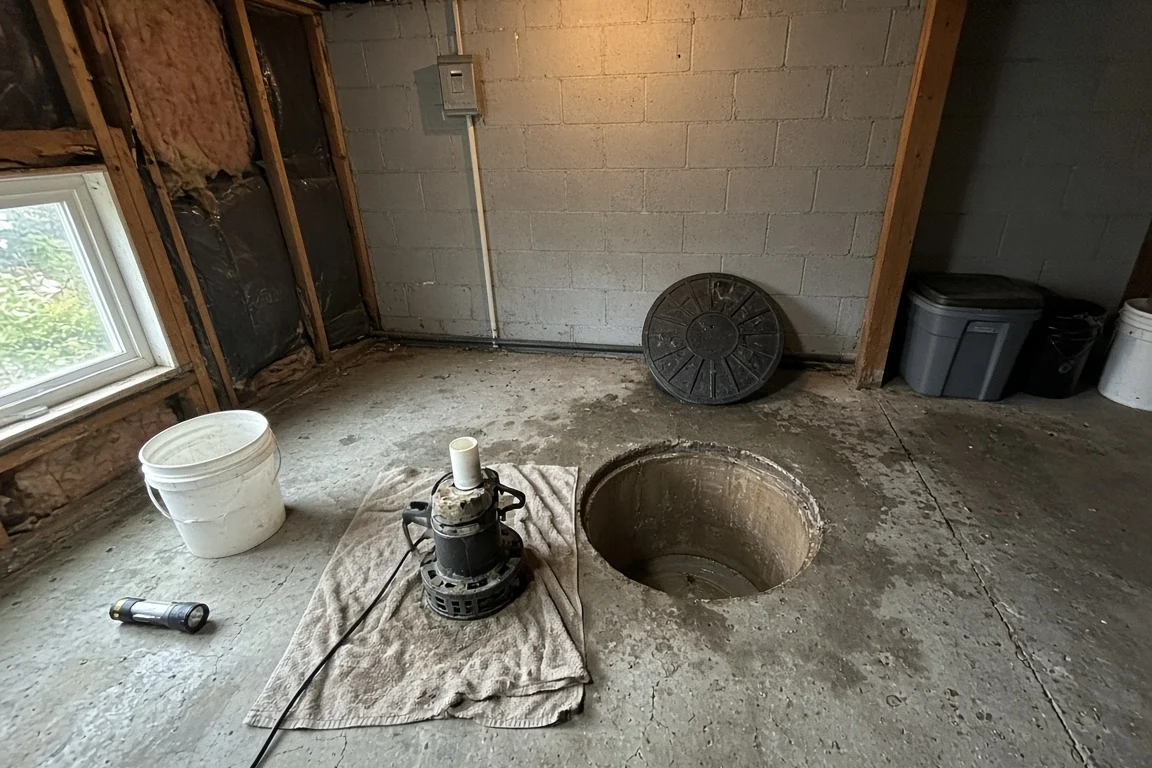
A good sump pump repair follows the water. It starts at the outlet and works through the pump and out to where the water leaves your yard. The goal isn't just to get the pump running again. It's to find out why it stopped, so it doesn't quit again during the next storm.
A few small steps before the visit can save time:
- Clear a path to the pit and the breaker panel. Move storage boxes, laundry, or anything else stacked nearby.
- Write down what the pump was doing. Was it silent, humming, short cycling, or running nonstop? Did it start after heavy rain?
- Note what you've already tried, such as resetting the GFCI or freeing the float. That rules out the easy causes.
- Know where the discharge line comes out in your yard, if you can find it.
- Keep kids and pets away from the pit area, especially if there's standing water.
Once the plumber is there, a careful repair usually covers these steps:
- Check the power at the circuit and the outlet, so a wiring problem isn't mistaken for a pump problem.
- Look at how the float moves and whether anything in the pit gets in its way.
- Lift the pump out to inspect the intake screen and impeller for debris or wear.
- Test the check valve to make sure water isn't flowing back into the pit.
- Look over the discharge pipe for cracks, loose joints, or clogs, inside and out.
- Replace or clear the part that failed, then set the pump back in place.
The last step matters most to you: a real test. The pit should be filled with water so you can watch the pump turn on, drain the pit, and shut off cleanly. That's the same bucket test you can run yourself, just done with the plumber there to adjust anything that's off.
Before anyone starts the work, you should know what failed and what the fix involves. If the plumber finds something that changes the job, like a worn motor that makes replacement the smarter call, you should hear about it before the work goes further. That's the standard you should expect from any plumber.
After the visit, keep an eye on the pump through the next few rains. Listen for steady, normal cycles. Watch for water coming back up in the pit after it shuts off. If something seems off, it's better to call early than to wait for a full pit.
In Lake Oswego, the best time for this visit is before the fall rains start. A pump fixed in a dry week has time to prove itself. A pump fixed in the middle of a wet spell has to work right away.
Our team holds Oregon CCB License #257405 and brings 20 years of hands-on plumbing experience. Our regular hours are 7 AM to 11 PM daily, though holiday hours may differ.
Confirming the Repair Worked
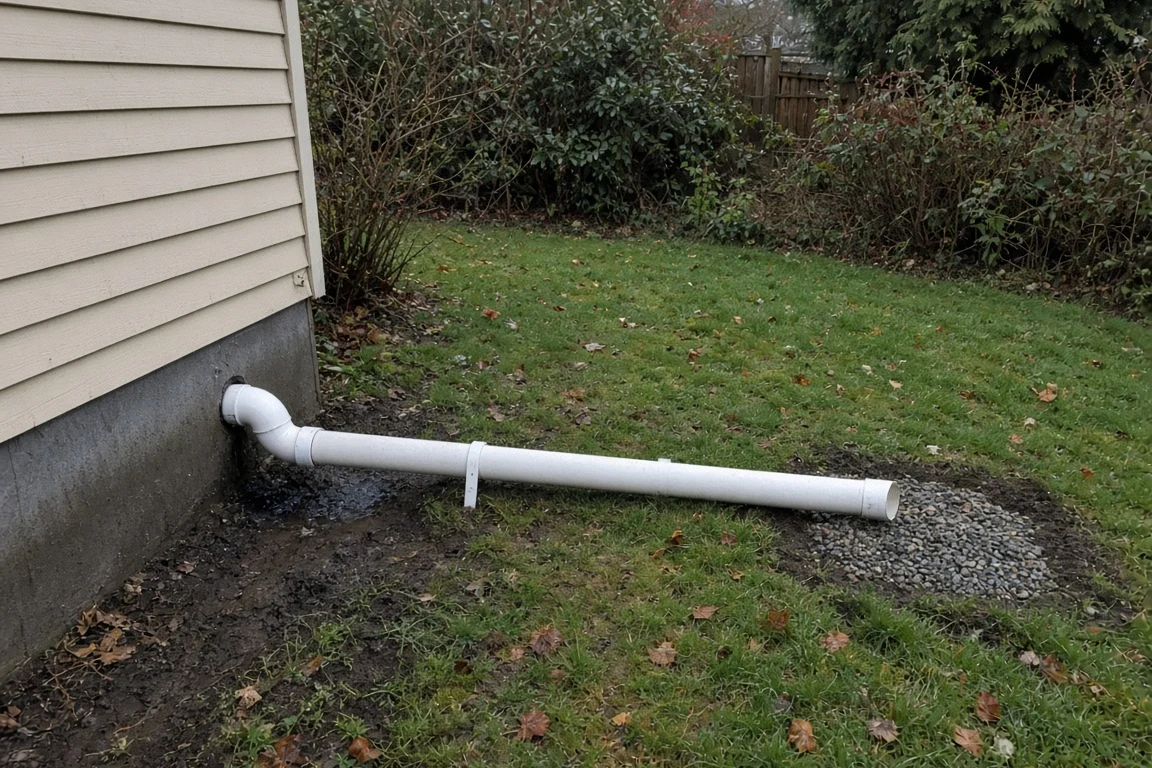
A pump that passes a test at the end of a visit has only cleared the first hurdle. The real proof comes during the next few heavy rains, when water flows into the pit on its own schedule and not from a bucket. You don't need special tools to check. You just need to know what normal looks like, so you can spot a problem early.
Here's what a healthy, repaired pump should do:
- It turns on at about the same water level every time. If it starts higher or lower than it used to, the float may be catching again.
- It empties the pit and shuts off with a clean stop, not a sputter or a stall.
- The water stays down after it shuts off. If the pit refills quickly with no rain coming in, water may be draining back through the check valve.
- Its sound is a steady hum. Grinding, rattling, or a new loud bang is worth a call.
- The breaker and the GFCI outlet stay on. A pump that trips either one after a repair still has a problem.
- Water comes out the outside end of the line and flows away from the house.
Pick one good rainy day and watch a full cycle or two. In Lake Oswego, most rain falls from fall through spring, so the first strong storm of the season is a natural time to check. The pump will run more often in heavy rain, and that's fine. What matters is that it keeps up. If the pump runs without stopping and the water in the pit never drops, the pump may be too small for how much water reaches your pit. A repair can't fix a size problem.
Step outside during that same rain. Find the end of the discharge line and make sure water is coming out. Then look at where it goes. If it pools right next to your foundation, some of it can soak back down and end up in the pit again. That makes the pump work harder than it needs to. A line that's crushed, clogged, or pointed back toward the house is worth fixing even if the pump itself runs well.
Call back if the same symptom returns, if you see dampness on basement walls or floors that wasn't there before, or if the pump starts cycling every few seconds. Catching a problem in the first few weeks is much easier than finding it when the pit is full.
It also helps to keep a short note near the pit or on your phone. Write down the repair date, which part was fixed or replaced, and how old the pump is. That note helps anyone who works on it figure out what's new and what's already been handled. It also makes the next repair or replace decision easier.
Sump pump repair is one part of the drainage work we do across Lake Oswego, and if your pump fails a bucket test you can request sump pump repair.
Frequently Asked Questions
Common questions about Sump pump repair
Is a sump pump tied into a French drain the same to repair as a standalone pit pump?
Not quite, since a pump connected to a French drain or dedicated drain line depends on that drain line staying clear, not just the pump itself. If water keeps reaching the pit but the pump still can't keep up, the drain line feeding it may need a look too. A repair visit should check both the pump and the line bringing water into the pit.
Can a sewage pump be repaired the same way as a sump pump?
No, a sewage pump handles waste water and solids, so it needs different care than a sump pump moving groundwater. Both can fail from a stuck float, worn motor, or clogged line, but a sewage pump failure should be treated as more urgent since backup can affect your plumbing fixtures, not just a pit. If you're not sure which type you have, describe what the pump is connected to when you call.
Do I need an emergency repair if my sump pump fails during a storm?
Yes, a pump that fails during active heavy rain needs attention right away, since water keeps coming into the pit with nowhere to go. If the pit is close to overflowing or water is near outlets and cords, stop checking it yourself and call for help. Planning a repair or replacement before the wet season starts, rather than mid-storm, avoids that emergency situation entirely.
Ready to Get Started?
Call (971) 455-3804 now for a free estimate.
Call (971) 455-3804Open 7 AM to 11 PM, seven days a week.