Sump pump installation
Sump Pump Installation in Lake Oswego
4.9 ★ on Google (16 reviews)Open 7 AM to 11 PM, 7 days
Signs Your Crawl Space or Basement Needs a Sump Pump
If water keeps showing up in your crawl space or basement after rain, or the space stays damp for days, groundwater is likely getting in and a sump pump may be the right fix. If the water only appears near one downspout or one wall, start with gutters and drainage first. A pump moves water out. It doesn't stop water that's being aimed at your house.
Most people don't go looking for a sump pump. They notice something off under the house and wonder how worried they should be. Lake Oswego gets long, wet winters, so a crawl space or basement can take on water in the rainy months, then look fine by summer. That on and off pattern makes it easy to put off. Here's what to look for.
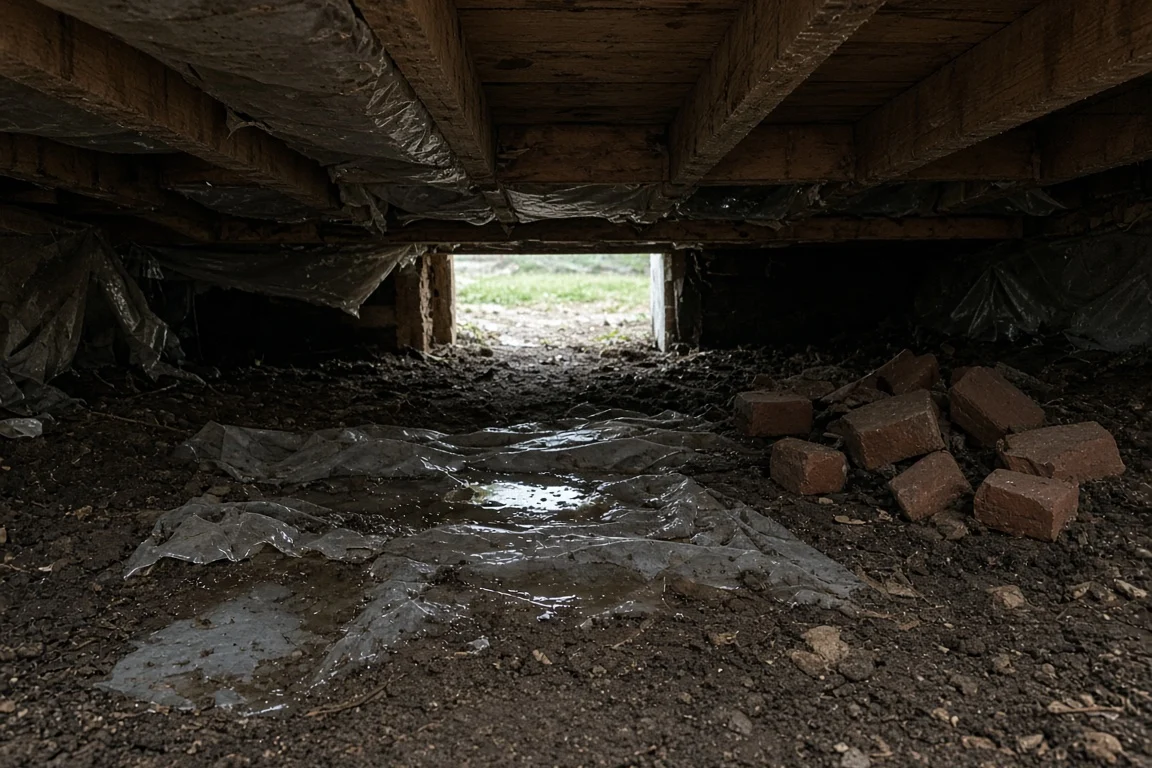
- Standing water or puddles in the crawl space or on the basement floor after a few days of rain.
- A wet line or water stains along the lower walls, foundation, or support posts.
- Soil in the crawl space that stays muddy or soft long after the rain stops.
- A musty, earthy smell that gets stronger in the wet season.
- Mold or mildew on floor joists, insulation, or stored boxes.
- Insulation hanging down or soaked under the floor.
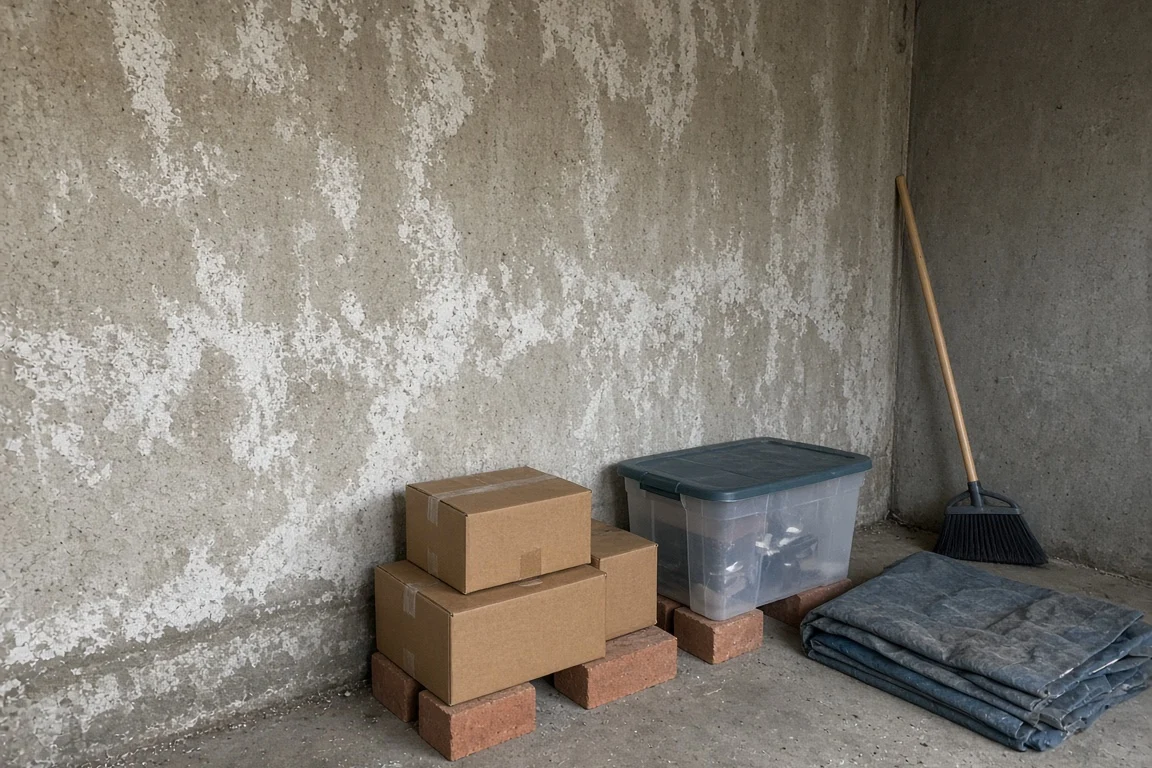
- White, chalky deposits on concrete walls, which means water has been moving through and drying out.
- Floors above the crawl space that feel cold and damp, or wood floors that start to cup or warp.
- An old sump pit with no pump in it, or a pump that runs and runs but the space still floods.
One sign alone doesn't always mean you need a pump. A pattern does. If the water comes back every time the ground gets soaked, and it seeps up from the floor or in along the base of the walls, that's groundwater. A sump pump is built for exactly that job. It collects water in a pit at the low point and pushes it out and away from your foundation before it can pool.
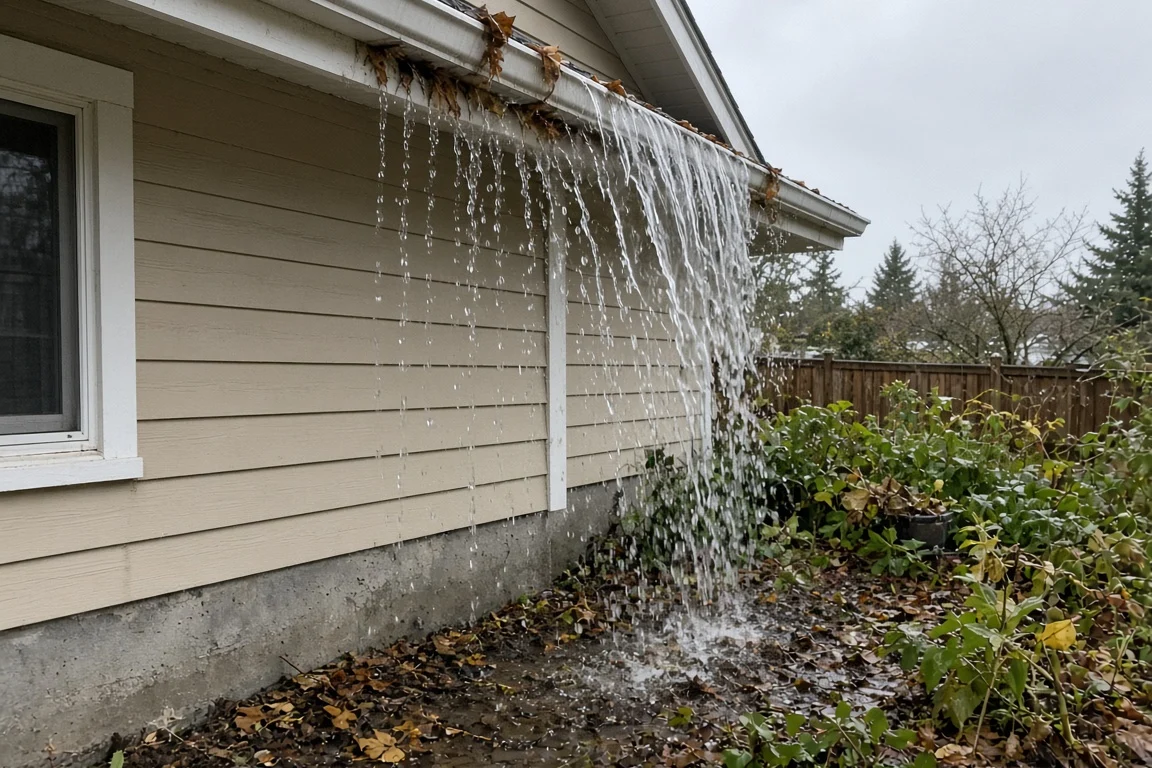
Now for the cases where a pump isn't the first answer. If water only shows up under one corner of the house, check the gutter and downspout above it. A clogged gutter or a downspout that dumps right next to the foundation can flood one spot by itself. Soil that slopes toward the house does the same thing. Fixing those is often cheaper than a pump, and you may not need anything more. If you see beads of water on pipes or a damp feel in summer with no puddles, that's likely condensation from humid air, not water coming in from outside.
Sometimes it's not rain at all. A leaking supply line or drain pipe under the floor can soak a crawl space just as well, and that needs a plumbing leak repair, not a pump. A good clue is timing. If the water is there in a dry week, look at your pipes before you blame the weather.
If you're not sure which of these you're dealing with, that's normal. Water under a house can have more than one cause at once. It helps to take a few photos of where the water sits and note when it shows up: after rain, during dry spells, or all the time. That gives you and us a clear starting point for figuring out whether a sump pump is the right call.
When a Sump Pump Is Not the Right Fix
A sump pump does one job well. It moves groundwater out from under your house. If something else is putting the water there, a new pump won't fix it, and you'd be paying for equipment that doesn't touch the real problem. Beyond the gutter, slope, and pipe leak issues covered above, here are the other times we'd tell you to hold off.
The water is dirty or smells like sewage. Gray or brown water coming up through a floor drain, or a sewage smell after you run the washer or flush, points to a sewer or drain problem, not groundwater. A sump pump isn't built for that. You need someone to find the blockage or break, often with a sewer camera inspection, then handle it with drain cleaning or a sewer line repair.
It happened once, and you know why. A water heater that failed, a burst pipe, or a washing machine hose that let go can flood a basement in an hour. Once the source is fixed and the space dries out, you probably won't see water again. Fix the failure, such as with a water heater repair, and skip the pump.
You already have a pump, and it's acting up. If your pump runs nonstop, won't turn on, or hums without moving water, the whole system doesn't always need to be replaced. A stuck float switch or a worn part can often be handled with a sump pump repair. A full new installation makes more sense when the pump is old, too small for the water you're getting, or the pit itself is the problem.
Water is pouring in from the surface. A pump works on water seeping up from below. If water is running in through a window well, under a door, or across the yard from a street that floods in a heavy storm, the pump can't keep up with that kind of volume. The fix is keeping surface water away from those openings first.
The space is damp, but there's no water. A crawl space can feel clammy and smell a little musty without any water coming in. If the ground isn't wet and nothing pools after rain, the issue is usually moist air, and a pump has nothing to pump. That's a ventilation or moisture barrier question, not a plumbing one.
You've seen water once after an unusual storm. Lake Oswego's wet season can bring a week of rain that soaks the ground more than normal. If you've lived in the house for years and this is the first puddle, it's fair to clean it up, take photos, and watch what happens through the rest of the season. If it comes back with every soaking rain, that's the pattern that calls for a pump.
None of this means you have to figure it out alone. It just means the first step is finding where the water comes from. When the cause turns out to be something other than groundwater, we'd rather tell you that than install a pump you don't need.
What Happens During Sump Pump Installation
Once you know groundwater is the problem, the installation itself is fairly simple to follow. The important choices come at the start: where the pit goes, how big the pump should be, and where the water ends up. Those choices depend on where the water is getting in, which is why finding the source matters so much. Here's how a typical sump pump installation comes together.
- Pick the low spot. The pit goes where water naturally collects, usually the lowest point of the crawl space or basement. Photos of where water pools after rain make this choice much easier.
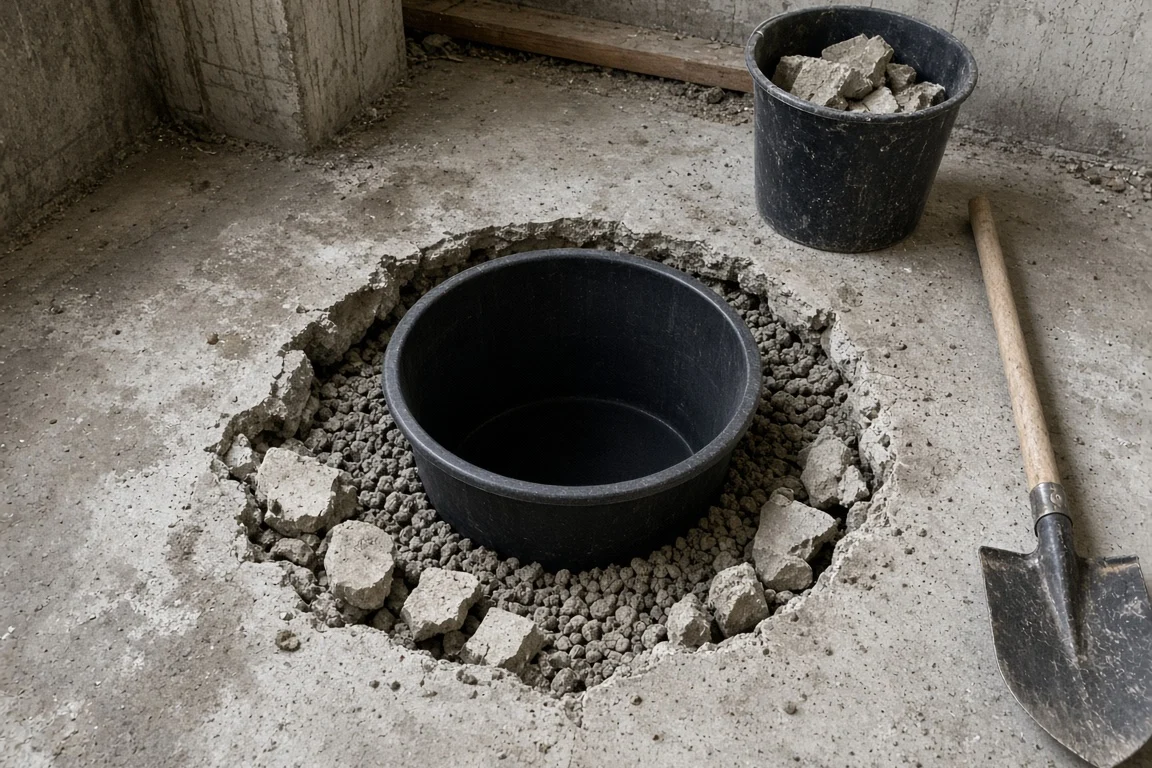
- Dig the pit. In a crawl space, that usually means digging into the soil. In a basement, a section of the concrete floor has to be cut and broken out first, so expect more noise and dust there.
- Set the basin. A plastic liner, called a basin, sits in the hole to hold the pump and keep dirt out. Gravel often goes around and under it so water can flow in while the soil stays put.
- Place the pump and switch. The pump sits in the basin with a float switch. As water rises, the float lifts and turns the pump on. When the water drops, it shuts off.
- Run the discharge line. A pipe carries water up and out of the house. A check valve on that pipe stops pumped water from draining back into the pit.
- Send the water somewhere safe. The line should end far enough from the house that the water doesn't soak back toward the foundation. Where it can legally drain can depend on local rules, so that's worth confirming before the job starts.
- Power and test. The pump needs a working outlet nearby. If there isn't one, an electrician may need to add one. Then the pit gets filled with water to make sure the pump turns on, empties the pit, and shuts off.
Sizing deserves a closer look. A pump that's too small can't keep up in a heavy, soaking rain. One that's much too big can turn on and off over and over, which wears it out faster. The right size depends on how much water comes in and how high and far the pump has to push it. That's one more reason it helps to know when the water shows up and how much of it there is.
Several things can change the scope and the quote. Cutting concrete is more work than digging soil. A tight crawl space with low clearance takes longer to work in. A long discharge run, a missing outlet, or an old pit that has to be pulled out all add steps. Before any work begins, you should get a clear explanation of what's included, where the pit and discharge line will go, and why that pump size was chosen. If something isn't clear, ask. A good installer won't mind explaining it in plain terms.
After the install, the best check is the next stretch of wet weather. During a rainy week in Lake Oswego, take a look under the house. If the pump is cycling on its own and the space stays dry, it's doing its job.
Permits, Code, and Licensing for Sump Pump Work
Before you book, it helps to know which rules can apply to a sump pump job. Most of them aren't about the pump. They're about where the water goes, how the pump gets power, and who's allowed to do the work. Rules can change and can depend on your property, so treat this as a list of things to ask about, not a final answer.
Where the water goes is the big one. Your pump will push out a lot of groundwater during a wet Lake Oswego winter, and that water has to land somewhere that's allowed. Many cities don't want groundwater piped into the sewer line, because extra water can overload the sewer system in heavy rain. Running the line onto a neighbor's yard, across a sidewalk, or straight into a spot where it soaks back toward your foundation can cause trouble too. The City of Lake Oswego can tell you what's allowed at your address, such as draining to your yard, a storm drain, or another approved spot.
Lake Oswego also has a lot of sloped lots. If your house sits above or below a neighbor, the end of the discharge line matters even more. Water released at the top of a slope runs downhill, and you don't want it ending up in someone else's crawl space.
Power is the other common question. A pump needs a working outlet near the pit. If you don't have one, adding it is electrical work, and that may need a licensed electrician and its own permit. Plugging a pump into a long extension cord isn't a safe long term fix in a damp crawl space.
Some sump jobs need a permit and some don't. A pump swapped into an existing pit is a very different job from cutting a basement floor, running a new discharge line out through the wall, and adding a circuit. The bigger the change, the more likely a permit and an inspection come into play. Ask your installer up front whether your job needs one and who'll take care of it, so it doesn't turn into a surprise halfway through.
In Oregon, contractors who do work on your home for pay need to be licensed with the Construction Contractors Board. You can look up any contractor's license number on the CCB's website and see if it's active. It only takes a minute, and it's worth doing for anyone you hire. Our Oregon CCB license number is 257405.
Here are good questions to ask any installer before work starts:
- Does this job need a permit, and who's getting it?
- Where exactly will the discharge line end, and is that allowed at my address?
- Will I need a new outlet, and who's doing that part?
- What's your Oregon CCB license number?
- What's included in the quote, and what could add to it?
Clear answers to these questions protect you. A pump in the right spot, draining to the right place, and installed by someone licensed is a pump you won't have to redo later.
What Drives Sump Pump Installation Cost
There isn't one set price for a sump pump installation, because no two crawl spaces or basements take on water the same way. The cost comes from three places: the equipment, the work it takes to put it in, and anything outside the plumbing that the job needs. The site factors covered earlier, like concrete versus soil or a long discharge run, shape the labor side. Here's what shapes the rest.
The pump itself is a big piece. Pumps come in different sizes and builds, and the right one depends on how much water you get and how far it has to be pushed. A pump that sits fully under water in the pit is quieter and tucked out of the way. One that sits up on a post above the pit is often simpler but louder. A sturdier pump with a cast metal body usually costs more than a plastic one, but it may hold up better through months of steady running in a wet Lake Oswego winter.
Add-ons change the total too. These are the common ones:
- A battery backup pump that keeps working when the power goes out in a storm.
- A high water alarm that warns you before the pit overflows.
- A sealed lid for the pit, which helps keep moisture and smells down in a basement.
- A sturdier float switch, which is the part that most often fails on a basic pump.
None of these are required for every home. They're worth it when the space floods often, when you store things down there that you can't replace, or when you're away from home a lot.
Some costs come from outside the pump job. A permit fee, if your job needs one, is one. A new outlet from an electrician is another, and it's often billed on its own. If a gutter, downspout, or slope problem is also sending water at your house, fixing that is separate work. It may lower how hard the pump has to run, so it's worth thinking about together.
It also helps to know what a quote usually doesn't cover. Drying out a soaked crawl space, replacing wet insulation, cleaning up mold, or laying a new moisture barrier are their own jobs. If you've had water under the house for a while, ask about those up front so you're not surprised later.
When you compare quotes, try to compare the same thing. A lower number may leave out the check valve, the basin, the discharge line to a safe spot, or the testing at the end. Ask each installer to list the pump size, the parts included, and where the water will drain. That way you're judging value, not just the bottom line. One of our customers put it this way in a review: "They explain the problem and the cost before starting, with no surprise charges on the final bill." That's one person's experience, but it's the kind of clear answer you should expect from anyone you hire.
The cheapest pump isn't always the best deal. A pump that's too small or wears out early means paying for the job twice. A pump sized for your water and draining to the right place is the one that keeps the space under your house dry.
Sump pump installs are one of our drainage solutions for Lake Oswego basements and crawl spaces, and you can plan a sump pump installation once you know groundwater is the problem.
Frequently Asked Questions
Common questions about Sump pump installation
Is sump pump installation emergency or after-hours work?
It can be, if a crawl space is actively flooding and you need water moving out right away. Most installs, though, are scheduled once you've noticed a repeating pattern of water after rain rather than a sudden flood. If your situation feels urgent, call and describe what you're seeing so it can be sorted out quickly.
Can a sump pump also handle sewage or a sewage backup?
No, a standard sump pump is built for groundwater, not sewage. If you're seeing gray or brown water, or smelling sewage after running the washer or flushing, that points to a sewer or drain problem instead. That kind of issue needs a sewer camera inspection and drain cleaning or sewer line repair, not a sump pump.
Do I need drainage work done along with the sump pump?
Sometimes, if gutters, downspouts, or the slope of your yard are sending water at the house. A pump handles water that's already seeping up from the ground, but it won't stop water that's being funneled toward your foundation from above. Fixing drainage issues alongside the pump install, or instead of it, often solves the problem for less.
Ready to Get Started?
Call (971) 455-3804 now for a free estimate.
Call (971) 455-3804Open 7 AM to 11 PM, seven days a week.