Slab leak repair
Slab Leak Repair in Lake Oswego
4.9 ★ on Google (16 reviews)Open 7 AM to 11 PM, 7 days
Signs That Point to a Slab Leak
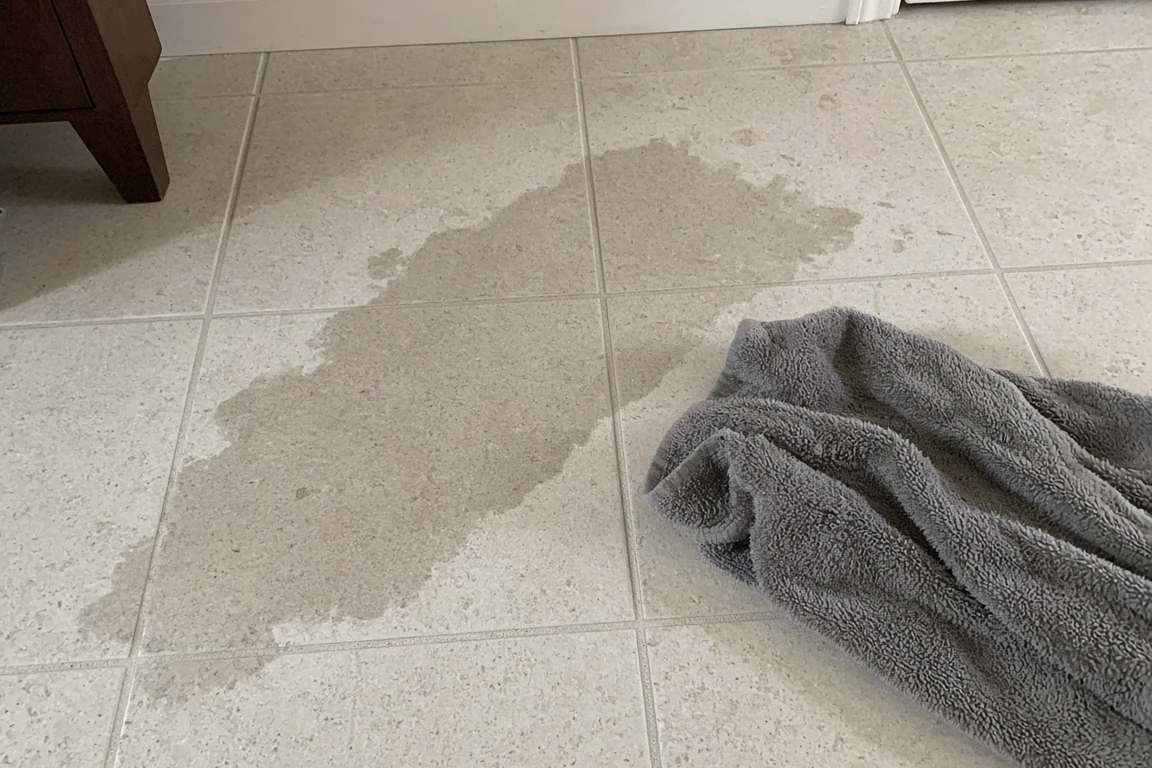
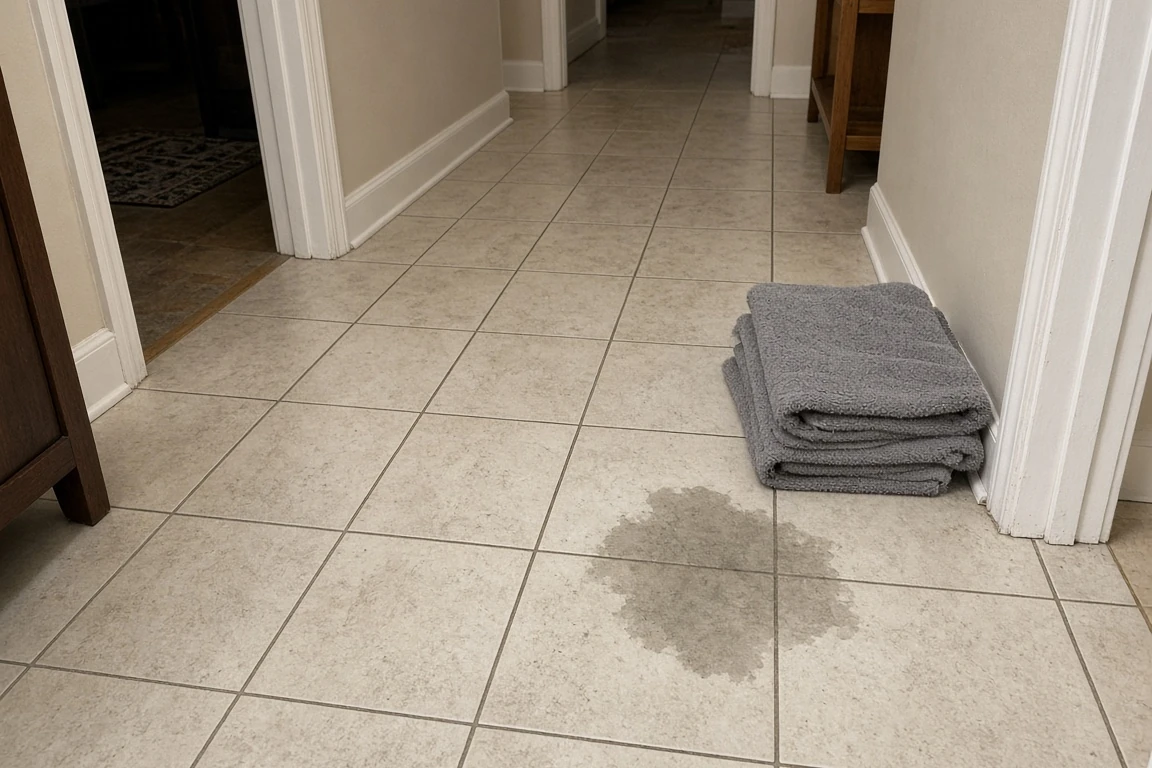
A slab leak usually shows up as a group of clues: a warm patch of floor, a water meter that keeps moving when nothing is on, a sudden jump in your water bill, or damp flooring with no clear source. One clue alone can have a simpler cause, like a running toilet. Two or three together are a strong reason to have the line checked before anyone cuts into concrete.
A slab leak is hard to spot because the pipe is buried under concrete. You won't see a drip or a puddle under a sink. You'll notice side effects instead, and most of them are easy to brush off at first.
- A warm or hot spot on the floor. If a hot water line is leaking under the slab, the escaping water can heat the concrete above it. Bare feet often find this first, on tile or in a hallway.
- A water bill that jumps for no reason. Your habits didn't change, but the bill did. Water leaking under the house runs all day and night, so it adds up fast.
- The sound of running water when everything is off. A faint hiss or rush in a wall or floor, often easier to hear late at night when the house is quiet.
- Damp carpet, swelling wood floors or lifting tile. Water pushes up through the slab and soaks into whatever sits on top of it.
- A musty smell or mildew near the base of walls. Trapped moisture under flooring can grow mold before you ever see water.
- Lower water pressure at your fixtures. Water leaving the line through a crack means less of it reaches your faucets and shower.
- A water heater that seems to run all the time. If hot water is leaking out, the heater keeps refilling and reheating to keep up.
There's a simple check you can do yourself. Turn off every faucet, appliance and irrigation line in the house. Then look at your water meter and note where the dial or low flow indicator sits. Wait about 30 minutes without using any water, then look again. If it moved, water is going somewhere. That doesn't tell you it's under the slab, but it tells you there's a leak worth finding.
This is where a lot of people jump ahead. A moving meter or a high bill can also come from a running toilet, a dripping outdoor spigot, or a leak in the line between the meter and the house. A warm floor can sometimes be radiant heat or a duct, not a pipe. Those problems cost far less to fix than anything involving concrete, so they're worth ruling out first. A toilet that won't stop running, for example, is a quick toilet repair, not a slab job.
So treat these signs as a reason to find out, not proof of the worst case. One clue by itself is often something small. A warm floor plus a moving meter plus a higher bill is a different story. That combination is a strong reason to have the leak located before any decision about breaking concrete, rerouting a line or repiping gets made.
When It Is Not a Slab Leak
Plenty of homes with a high bill or a damp floor don't have a slab leak at all. That's good news, because most of the other causes are smaller and cheaper to fix than anything under concrete. A few checks can narrow it down before you start worrying about jackhammers.
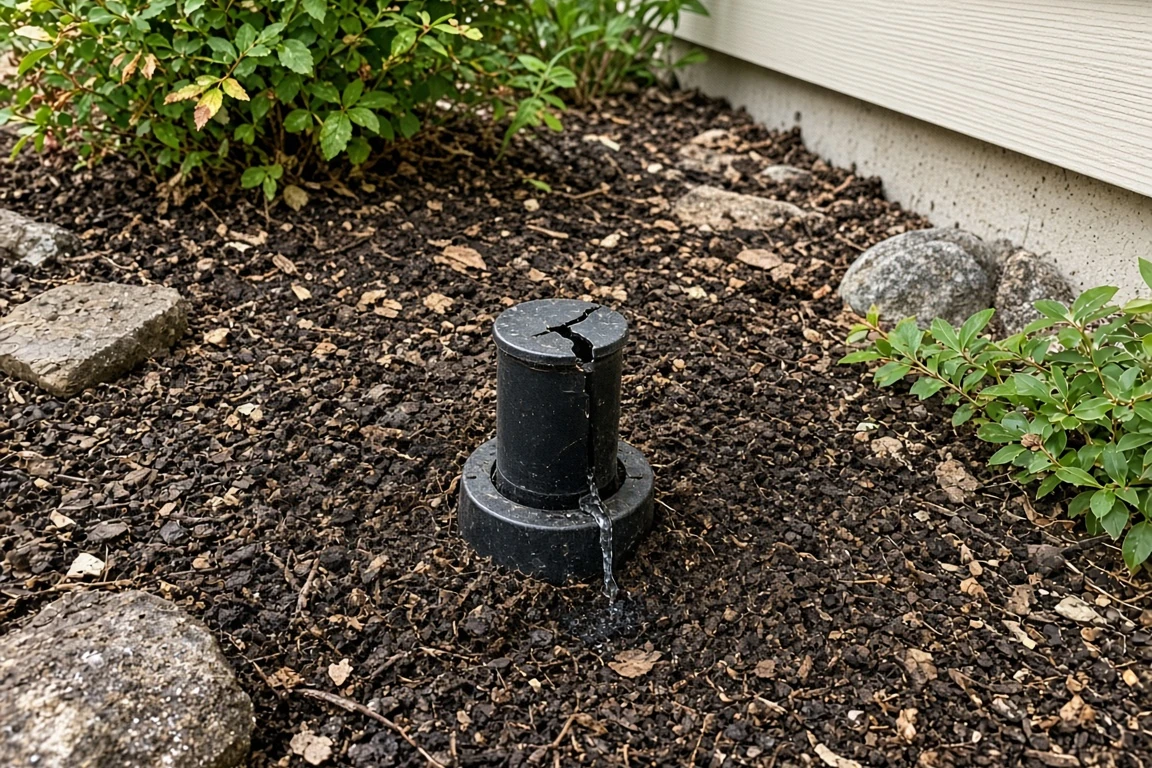
Start with the line from the street. Most homes have a main shutoff valve where the water line enters the house. Close that valve, then watch your meter again. If the meter keeps moving with the house valve shut, water is escaping somewhere between the meter and your home, out in the yard. That's a buried service line, and it's handled as a water line repair, not slab work. A soggy patch of lawn or one strip of grass that stays greener than the rest often points the same way. If the meter stops when you close the house valve, the leak is inside the house. It could still be under the slab, but it could also be something you can see.
Next, test your toilets. Put a few drops of food coloring in the tank and wait about 15 to 20 minutes without flushing. If color shows up in the bowl, the flapper is leaking. A new flapper is often a simple fix you can do yourself.
Then go through the other places water can quietly slip away:
- Irrigation systems. A cracked sprinkler line or a zone valve stuck open can run for hours. Shut the irrigation off at its own valve and check the meter again.
- Water softeners and filters. A unit stuck in its cleaning cycle can send water down the drain nonstop. Listen for running water near the unit.
- Water heater relief valves. A relief valve that drips into a drain line or pan wastes water without leaving a puddle on the floor. That's a water heater repair, not a slab problem.
- Appliance lines. Ice maker lines behind the fridge and washing machine hoses can leak slowly into the wall or floor nearby.
A warm floor isn't always a pipe, either. If your home has radiant floor heat or heating ducts in the slab, a warm spot can be normal. Turn the heat off for a few hours. If the spot cools down and your meter stays still, a leak is unlikely.
Damp flooring can come from outside the plumbing too. Rain can get in at a door threshold or a window. Ground moisture can wick up through concrete, and rugs on a cool slab can trap condensation underneath. The clue is timing. Moisture that comes and goes with the weather, while the meter stays still, points to a drainage or sealing issue. A plumber isn't the right call for that.
So here's the honest answer. If the meter test comes back clean, your toilets pass the dye test, and nothing changes when you shut off irrigation, you probably don't have a hidden leak. Keep an eye on your next bill and leave the floor alone. If the meter still moves with every fixture off and stops only when you close the house valve, that's when it makes sense to have the leak found before anyone touches the concrete.
How a Slab Leak Is Found and Repaired
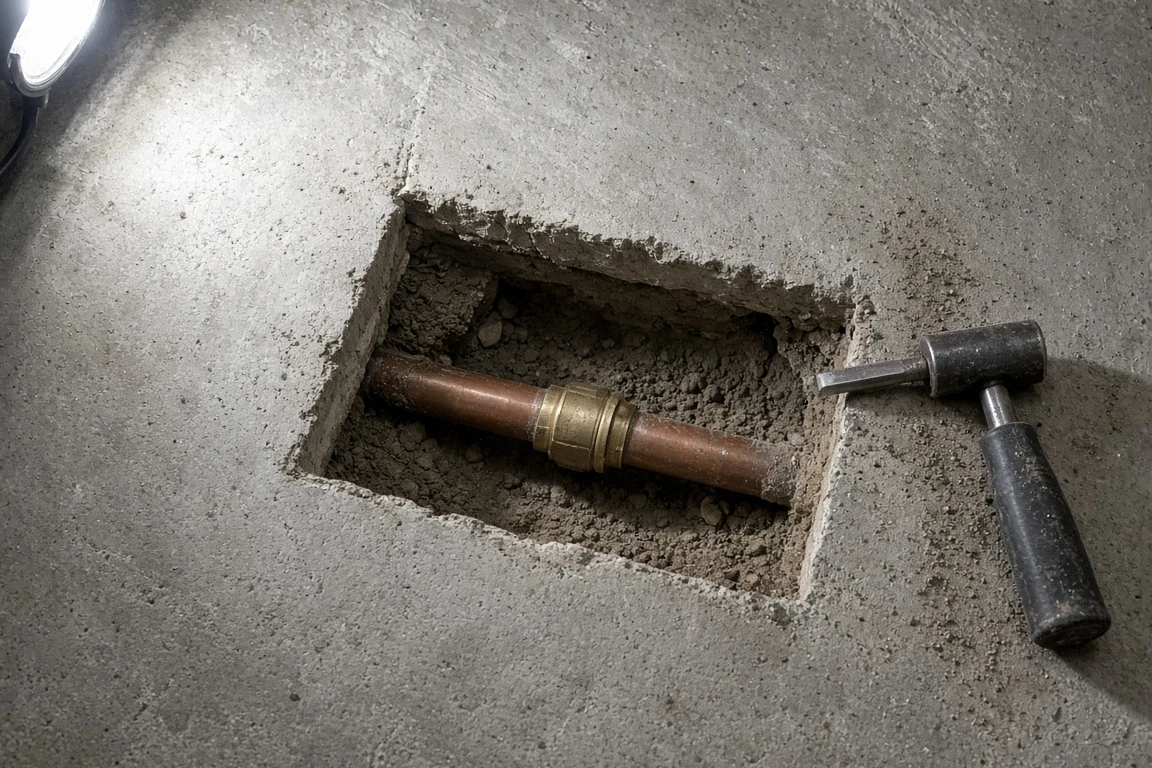
Finding the leak comes first, and it's the step that saves you the most money. A slab is a big piece of concrete. If the leak's spot is a guess, the hole gets bigger, the patch gets bigger, and so does the bill. When the spot is known to within a foot or two, the repair stays small.
Locating a leak under concrete usually happens in three steps:
- Confirm which line is leaking. The hot and cold sides of the system can be closed off and pressure tested one at a time. That tells you whether it's the hot line, the cold line or both, and it rules out the fixtures.
- Trace where the pipe runs. Pipes under a slab don't always take the path you'd expect. Mapping the route keeps the search on the right part of the floor.
- Pinpoint the spot. Water escaping a pressurized pipe makes a sound that listening gear can pick up through concrete. On a hot line, a thermal camera can often show the warm area where water is spreading.
Once the leak is found, there are three main ways to fix it. The right one depends on where the leak is, how old the pipe is, and whether this is the first leak or one of several.
Spot repair through the slab. The floor covering is pulled back right over the leak, and a small section of concrete is cut out. The damaged piece of pipe is replaced, then the hole is filled and the floor is put back. This makes sense when the pipe is in good shape overall and the leak sits in an easy spot, like a hallway or under tile you can match.
Rerouting the line. Instead of going under the concrete, the leaking section is shut off and left in place. A new line is run through the walls, attic or crawl space to the same fixtures. This is often the better choice when the leak sits under cabinets or expensive flooring, or when breaking the slab would cause more damage than it fixes.
Repiping. If the pipes are old, worn thin, or have already leaked more than once, patching one spot can just move the problem a few feet down the line. Replacing the supply lines in that part of the house, or the whole house, ends the cycle. We cover that on our repiping page.
Here's a simple way to think about it. Picture a single pinhole leak under the laundry room floor of a house where the pipes look sound. A small cut and patch is usually the cleanest fix. Now picture a second leak two years later, under the kitchen island. At that point, rerouting or repiping deserves a serious look, even if it costs more today.
Whichever way the repair goes, the job isn't done until the line is tested again under pressure and the meter stays still with everything off. That's how you know the leak you paid to fix is fixed, and that there isn't a second one hiding nearby.
Before anyone starts cutting, you should know three things: which line is leaking, where the leak is, and why one repair option makes more sense than the others for your house. Our team holds Oregon CCB License #257405, and we're glad to walk you through those answers in plain language so the choice is yours.
What Drives the Cost of Slab Leak Repair
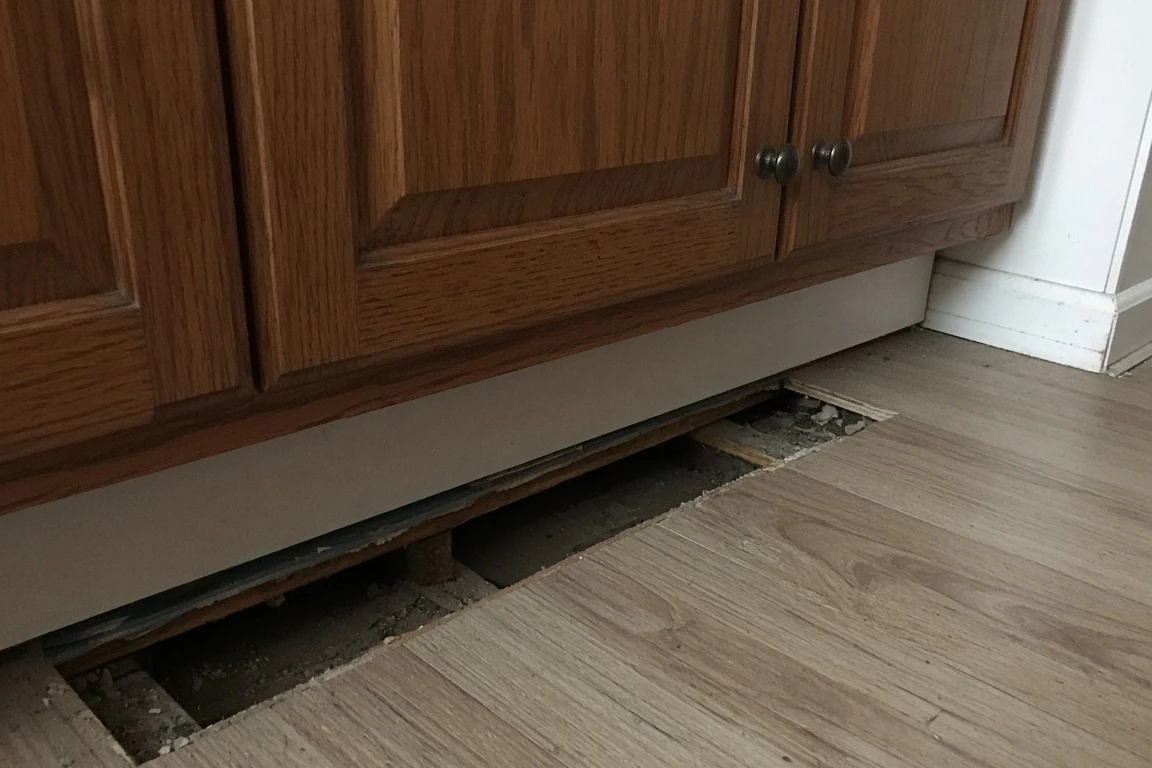
There's no single price for a slab leak, because no two leaks sit in the same spot under the same floor. The cost comes from a handful of things you can usually see coming once the leak has been found. Knowing them ahead of time makes any quote easier to read.
- How precisely the leak is located. This is the biggest swing factor. A leak pinned to a small spot means a small opening and a small patch. A rough guess means more concrete removed and more floor to put back.
- Which repair path fits your house. A spot repair, a reroute and a repipe are very different jobs. A spot repair touches one short section of pipe. A reroute means new pipe run through walls or an attic. A repipe replaces a larger share of the supply lines.
- What's sitting on top of the leak. Cutting through bare concrete in a garage is one thing. Getting under kitchen cabinets, a tile floor you can't match, or hardwood that runs through several rooms adds time and restoration work.
- The age and condition of the pipe. If the pipe around the leak is worn thin, the repair may need to cover more than the one bad spot to hold up.
- How many leaks there are. A second leak found during testing changes the plan, and sometimes the best choice along with it.
- Water damage that's already happened. Wet subfloor, swollen flooring or mold near the walls may need drying and repair beyond the plumbing itself. That work is often handled by a separate trade.
Timing matters too. Water leaking under a slab runs around the clock, so every week you wait adds to your water bill. It also gives moisture more time to soak into flooring and walls. Catching it early doesn't make the pipe repair itself cheaper, but it can keep the cleanup from growing.
It's also worth looking at your homeowner's insurance. Policies differ a lot. Some help with damage caused by a sudden leak or with the cost of getting to the pipe, even if they won't pay to replace the pipe itself. Call your insurer and ask before the work starts, not after.
When you're comparing quotes, a low number on its own doesn't tell you much. These questions help you see what you're paying for:
- Is locating the leak priced separately from the repair?
- Which repair option are you recommending, and why that one for my house?
- Does the price include patching the concrete, or only the plumbing?
- Who puts the flooring back, and is that in this quote?
- Will the line be pressure tested again when the work is done?
- Does this job need a permit, and who pulls it?
A good quote answers all of these in plain words before any concrete gets cut. If a quote doesn't, ask until it does. The real cost of a slab leak isn't the number on the first page. It's whether the repair you choose fixes the problem for good or sets you up to pay again in a year.
Urgent Signs Versus Issues That Can Wait for Scheduling
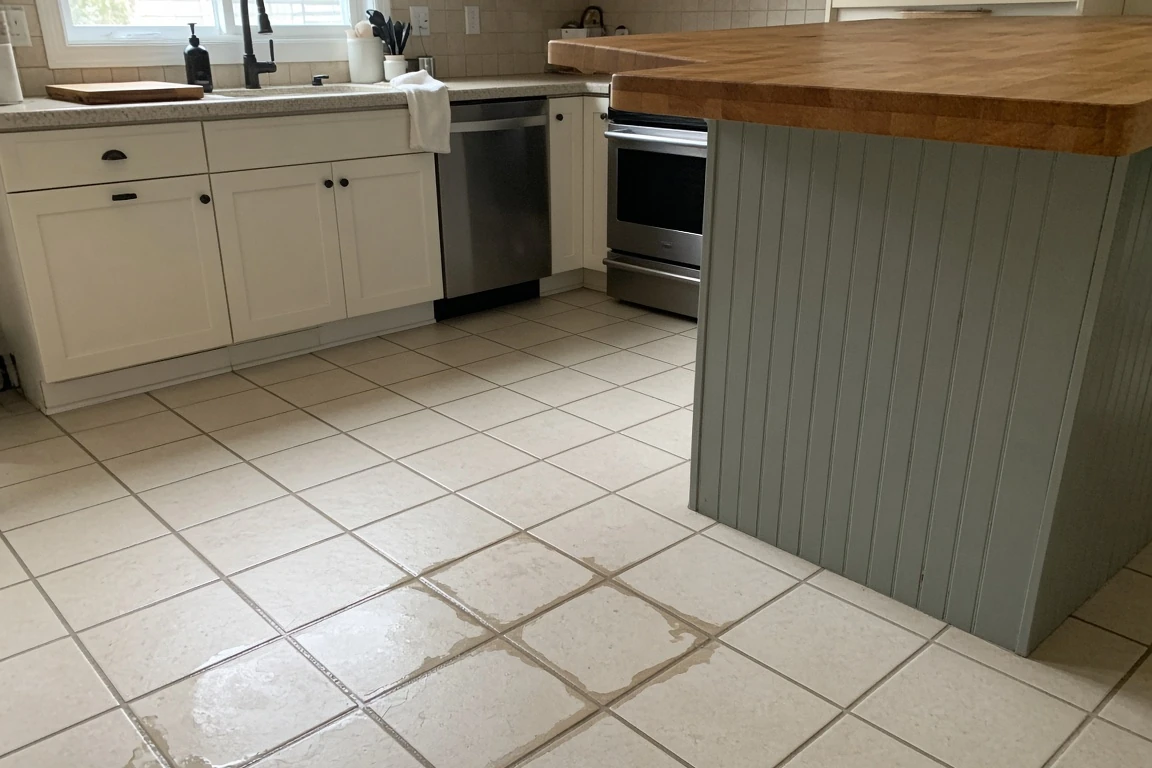
Not every slab leak is an emergency. A small leak can sit under a floor for weeks and only show up on your bill. Others push water into your home fast enough to ruin flooring in a day. The question to ask isn't "Do I have a leak?" It's "How fast is this getting worse?"
Call right away if you notice any of these:
- Water coming up through the floor. Standing water, wet grout lines that keep spreading, or carpet that squishes when you step on it means a lot of water is escaping, not a slow drip.
- A warm spot that's getting bigger or hotter. That points to a hot water line losing water steadily. It also means your water heater is working nonstop to keep up.
- A sudden drop in water pressure throughout the house. A big loss in pressure can mean the break is getting larger.
- Water near outlets, baseboard wiring or your electrical panel. At that point it's a safety problem, not just a plumbing one.
- Loud rushing water when every fixture is off. A faint hiss is one thing. A steady rush you can hear from across the room is another.
If you're seeing one of these and you know where your main shutoff valve is, closing it stops water from reaching the leak while you get help. You'll be without water for a while, but you'll also stop the damage from spreading.
Other signs are real, but they give you time to plan:
- A water bill that's crept up over a month or two, with no wet spots anywhere.
- A meter that moves slowly during the shutoff test, while your floors stay dry.
- A faint warm area that hasn't changed in size or temperature.
- A musty smell near one wall, with no visible water.
With these, it makes sense to book a visit for the next few days rather than calling late at night. You'll want the leak found soon, since water under a slab never takes a break and your bill keeps adding up. A slow leak gives you room to choose a time that works, run the toilet and irrigation checks first, and gather your last few water bills so the pattern is easy to see.
Here's a quick way to picture the difference. Say your bill went up by a similar amount two months in a row, and the meter creeps a little during the test. That's a scheduling call. Now say you walk into the kitchen in the morning and the tile near the island is wet around the edges, and the spot is bigger by dinner. That one shouldn't wait.
If you can't tell which group you're in, call and describe what you're seeing. Tell us where the warm or wet spot is, whether it's changing, and what the meter did. That's usually enough to sort out whether you need help now or can plan a visit. Our emergency plumbing covers major leaks from 7 AM to 11 PM, seven days a week.
Slab leak repair is one of the many ways we provide plumbing help across Lake Oswego, and if your meter keeps moving with every fixture off you can book a slab leak check.
Frequently Asked Questions
Common questions about Slab leak repair
Will I need to replace my whole floor after a slab leak repair?
Not always. If your leak is fixed with a spot repair, only the small section of flooring right over the leak needs to come up and go back down. Rerouting the line around the slab avoids cutting the floor at all, and is often chosen when the leak sits under cabinets or flooring that's hard to match. The repair option we recommend depends on where the leak is and what's sitting on top of it.
Can I keep using water in my house while the leak is being found?
It depends on which line is affected, since testing involves closing off the hot and cold sides separately. During the locating steps, the hot or cold line being tested may need to stay off for a short time while pressure is checked. We'll tell you which fixtures are affected before testing starts, so you're not caught off guard mid-shower.
Does a slab leak mean my whole plumbing system is failing?
Not necessarily. A single leak in a pipe that's otherwise in good shape usually just needs a spot repair or reroute. It's a different story if this is a second or third leak, or if the pipe around the leak is worn thin. In that case, replacing more of the supply lines through repiping prevents the pattern of one leak after another.
Ready to Get Started?
Call (971) 455-3804 now for a free estimate.
Call (971) 455-3804Open 7 AM to 11 PM, seven days a week.