Signs Your Shower Needs a Repair Call
Most shower problems trace back to a few parts: the valve behind the handle, the diverter, the drain, or a hidden leak in the wall or floor. Drips and stiff handles can usually wait a few days. Water stains, soft walls, or loose tile point to water going where it shouldn't, and that's worth a call soon.
A shower can look fine from the front while something wears out behind the tile. The good news is the signs are easy to read once you know what each one points to. Here's what to watch for and what it usually means.
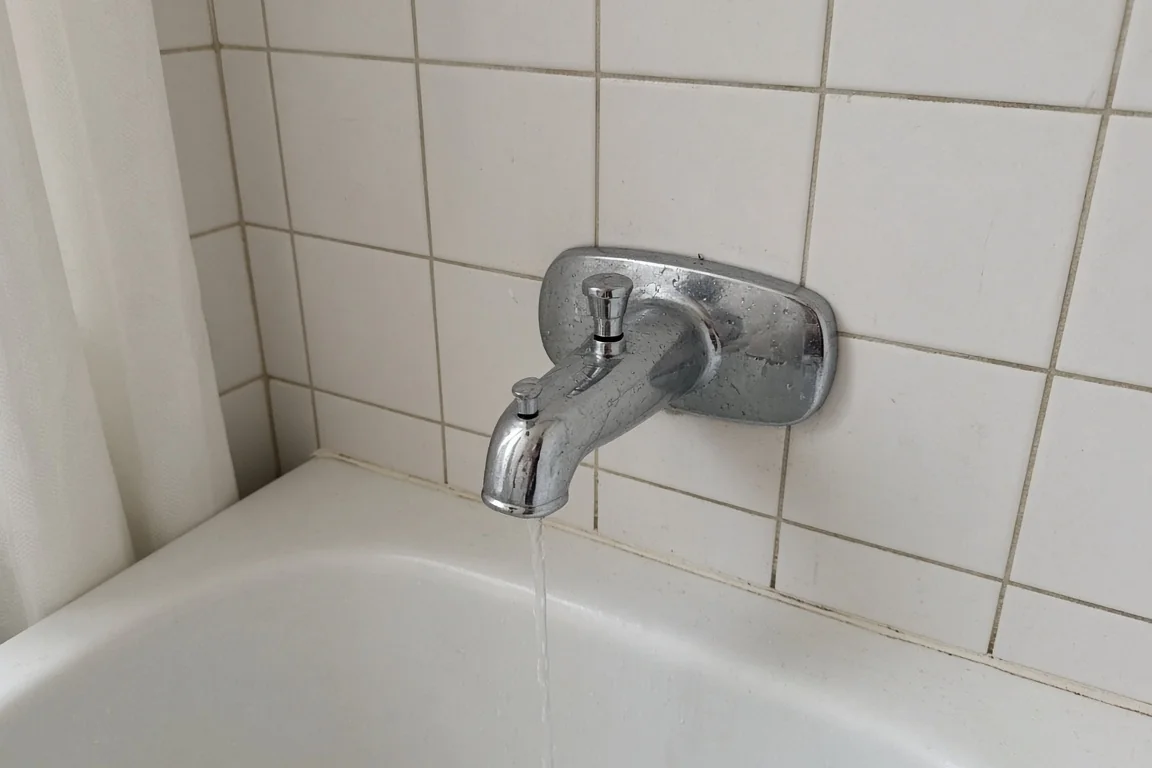
- It keeps dripping after you turn it off. A steady drip from the showerhead or tub spout usually means a worn cartridge, washer, or seal inside the valve. It's not an emergency, but you're paying for water that goes straight down the drain.
- The handle is stiff, loose, or spins too far. Handles that grind, wobble, or don't stop where they used to often have a worn cartridge or mineral buildup inside the valve.
- The temperature jumps around. If the water turns hot or cold when someone flushes a toilet or runs a sink, the part that balances hot and cold may be worn. If you're losing hot water all over the house, not just at the shower, the water heater is a more likely cause, and we handle water heater repair too.
- Water comes out the tub spout while the shower runs. That's a sign the diverter, the part that sends water up to the showerhead, isn't sealing all the way.
- The spray is weak. Check the showerhead first. If cleaning it doesn't help, the problem could be inside the valve. If every faucet in the house is weak, it's probably a whole-home issue, and our low water pressure repair service covers that.
- Water drains slowly or pools. Hair and soap buildup are common causes. If it keeps coming back, drain cleaning may be the better fix.
Some signs mean water is getting out of the pipes or the shower base and into your home. Don't wait on these:
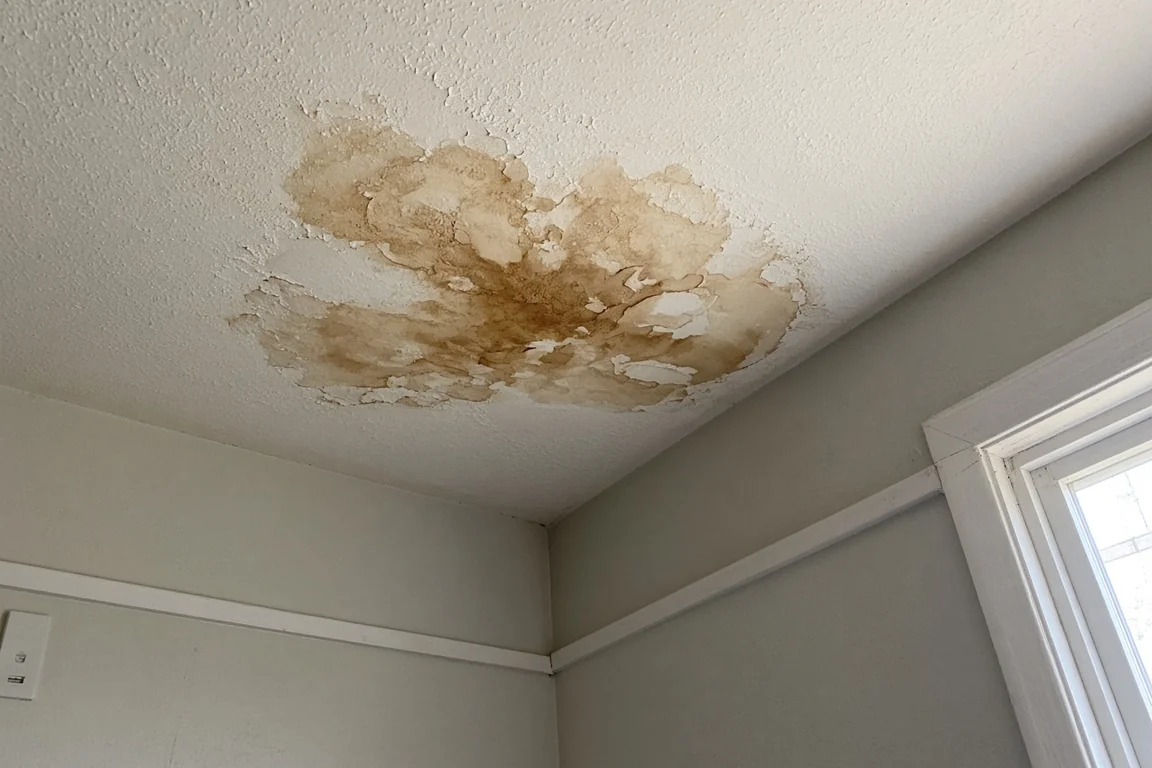
- Brown stains or bubbling paint on the ceiling below the bathroom
- Soft, damp, or crumbling drywall on the other side of the shower wall
- Tiles that feel loose or grout that keeps cracking in the same spot
- A musty smell that stays after the bathroom has dried out
- Damp flooring or swollen trim near the shower base
These can come from a leaking valve, a loose supply connection, a failed drain seal, or a cracked shower pan. Looking at the shower alone won't tell you which one it is. The longer water sits behind tile or under a floor, the more there is to fix later, so it pays to find the real source before anyone starts pulling tile. If the leak turns out to be in a supply line rather than the shower itself, that falls under our plumbing leak repair work.
Take a quick photo of what you're seeing and note when it happens. Does it happen only when the shower runs, or all the time? That one detail helps narrow the cause quickly. A leak that shows up only during a shower points to the valve, the drain, or the enclosure. A stain that grows even when nobody's showered points to a pressurized supply line, and that kind of leak needs attention sooner.
Repair Versus Replacement: How to Tell the Difference
A lot of people hear "shower problem" and picture a full remodel. Most of the time, that's not where it ends up. Most shower trouble starts with one small part, and that part can usually be swapped without touching your tile. The real question isn't repair or replace. It's what's failing, and how much of the shower it affects.
A repair usually makes sense when the problem is limited to a part:
- A worn cartridge, washer, or seal inside the valve that's causing a drip or a stiff handle
- A diverter that no longer sends all the water up to the showerhead
- A clogged or worn showerhead, or a loose trim plate and handle
- A drain that's slow but not leaking
- A leak at a supply connection that can be reached without major demolition
In these cases, the walls, tile, and shower base are still sound. Replacing a cartridge or a diverter is a normal repair, and it doesn't mean your shower is wearing out as a whole.
Replacement starts to make more sense when the damage goes past one part:
- The valve body itself is cracked or badly corroded, not just the parts inside it
- Replacement parts for an older valve are no longer made, so a repair can't be done cleanly
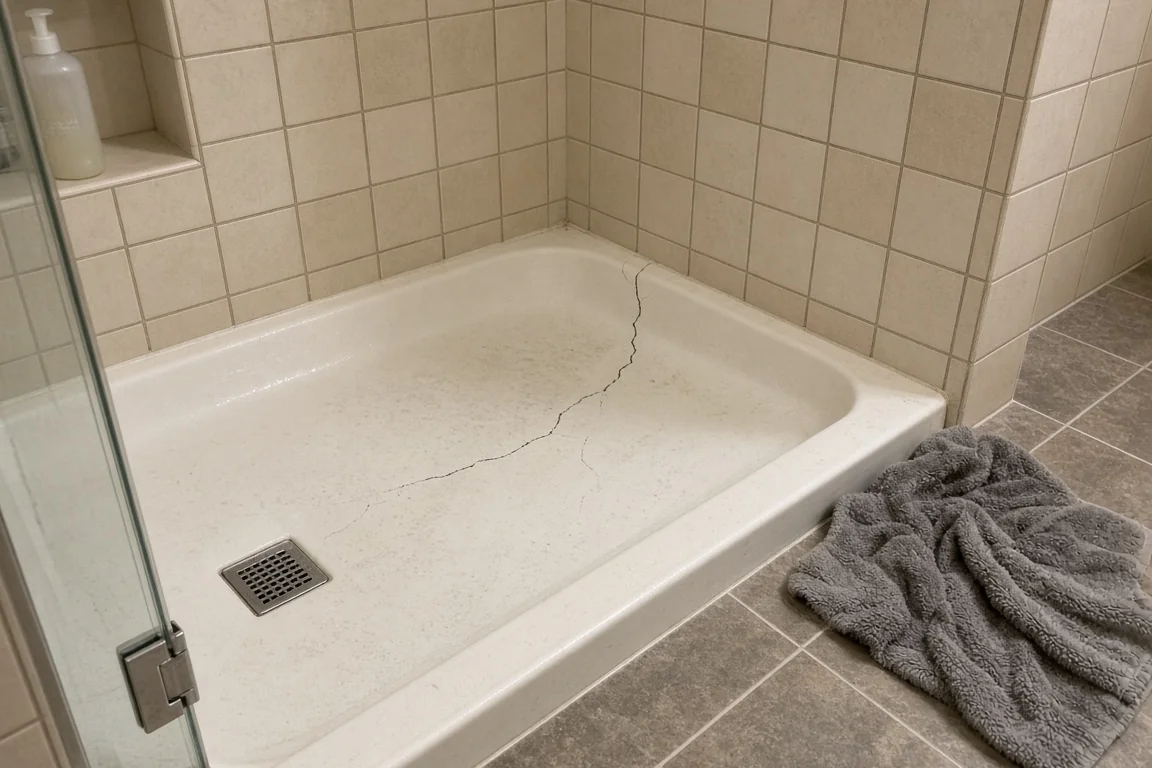
- The shower pan or base is cracked and letting water into the floor
- Water has soaked the wall framing or subfloor, and the tile has to come off anyway
- You've repaired the same shower again and again, and the fixes keep running out
There's also a middle option people don't always know about. Sometimes the valve needs to be replaced, but the rest of the shower is fine. If the wall behind the shower can be reached from a closet or the next room, the valve can often be changed from that side, and your tile stays in place. When that access isn't there, some tile may need to come off around the valve. That's still a far smaller job than redoing the whole shower.
If replacement is the better call, that's a separate job, and we offer shower installation as well. Either way, the choice should come from what's found, not from a guess made at the front of the tub.
Several things drive the cost of a shower repair up or down:
- Access. A repair through the trim plate costs less than one that means opening a wall.
- Parts. Common cartridges are easy to find. Parts for older or uncommon valves can take longer to get.
- Hidden damage. Wet framing, mold, or a failed pan adds work that nobody can price until it's uncovered.
- Finish work. If drywall or tile has to come off, putting it back is part of the total job.
Before you agree to any work, ask a few plain questions. What part failed? Can it be fixed without opening the wall? What happens to the price if more damage turns up? One customer wrote that our team will "explain the problem and the cost before starting, with no surprise charges on the final bill." That's one person's experience, but those are fair questions to ask any plumber. A clear answer helps you decide whether a repair is worth it or whether it's time to replace.
What Happens During a Shower Repair Visit
Most shower repairs are quieter and smaller than people expect. In many cases nobody touches your tile, and the bathroom is usable again the same day. Here's how the work usually goes, so you know what you're agreeing to before anyone shows up.
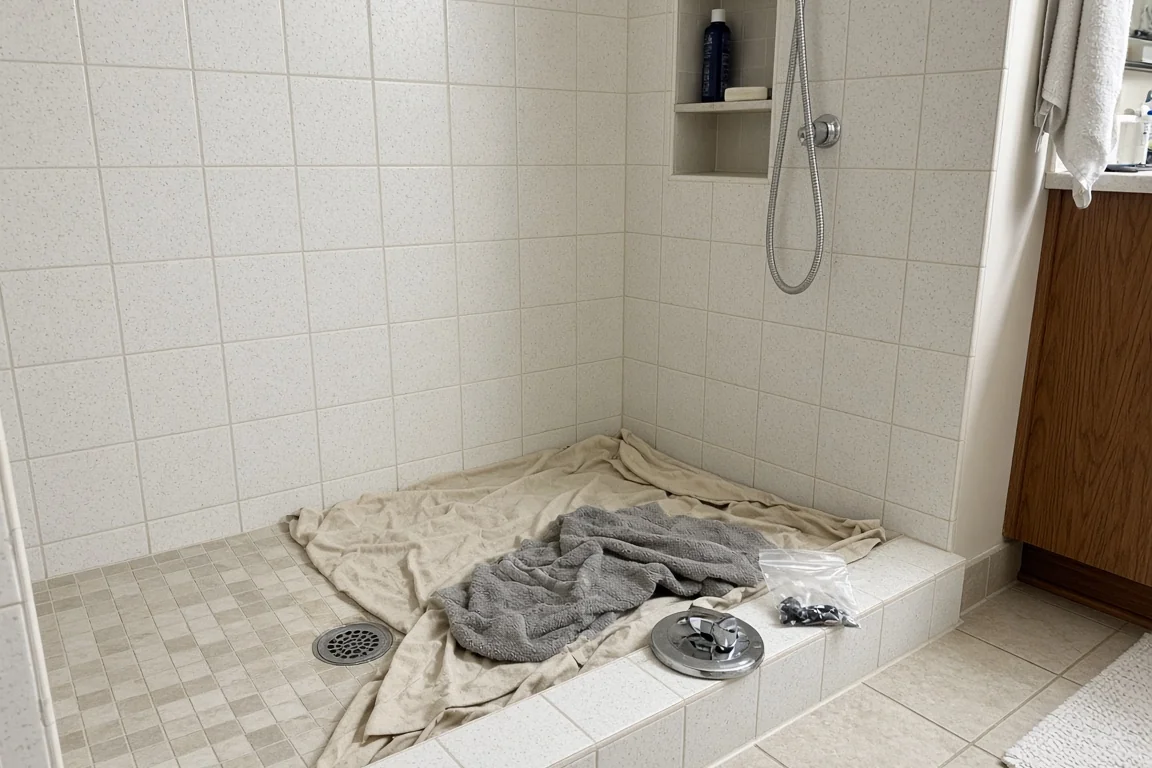
A little prep makes the visit faster. Clear the tub or shower floor and any shelves near the handle. If there's a closet or room on the other side of the shower wall, make space there too, because that's where an access panel may be. It also helps to know where your home's main water shutoff is. Keep the photo and timing notes we mentioned earlier ready to show.
A good shower repair starts by finding the cause, not by swapping parts and hoping. The usual first steps look like this:
- The water to the shower gets shut off, either at a shutoff near the valve or at the main.
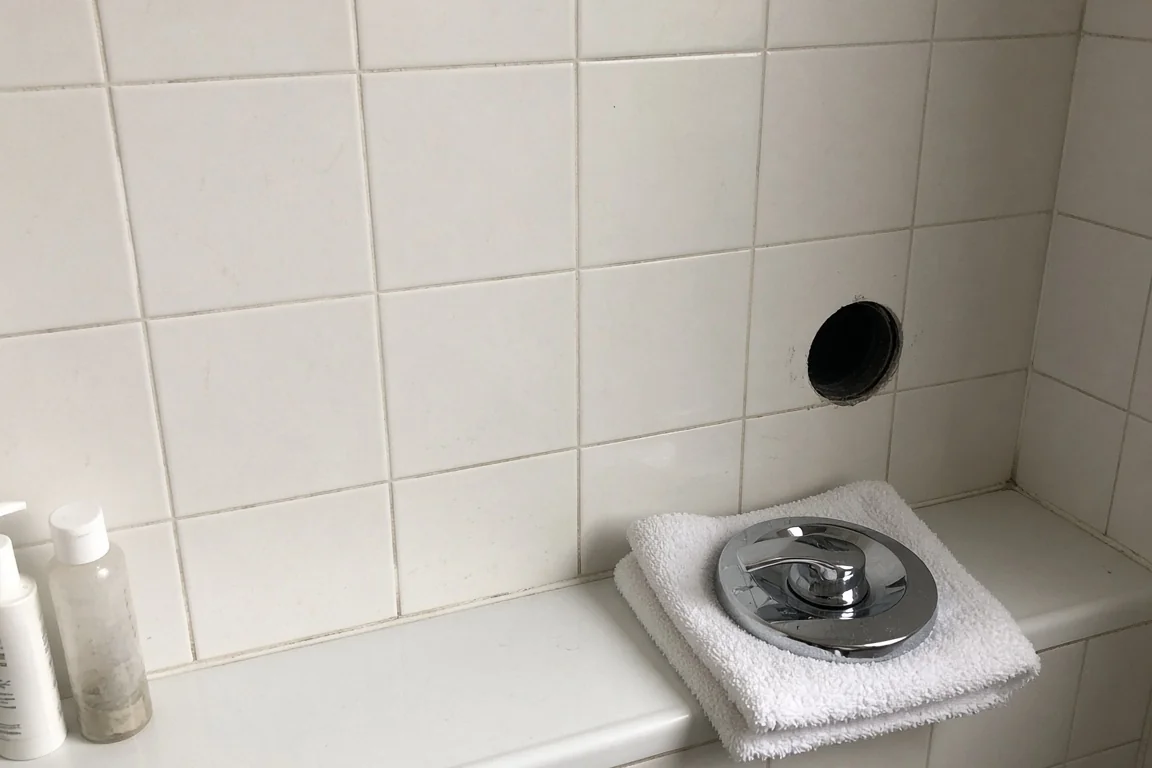
- The handle and trim plate come off so the valve can be seen.
- The valve is identified, because the right cartridge or seal depends on what's in your wall.
- The shower is run, if needed, to watch where water shows up. This step separates a valve leak from a drain or enclosure leak.
Once the cause is clear, you should hear what failed and what fixing it involves before work begins. If it's a simple part, the repair often goes right ahead. If the part has to be ordered, or the problem points to hidden damage, that's the moment to talk it through, not after the wall is open.
For a common fix like a worn cartridge, the old part comes out, the valve is cleaned of mineral buildup, and the new part goes in. Then the water comes back on and the shower gets tested. That means checking hot and cold, making sure the handle stops where it should, confirming the drip is gone, and watching for leaks around the valve. The trim plate goes back on last. When parts for an older valve aren't in stock, the job may need a second trip once they arrive.
Keep an eye on things for a few days. Run the shower normally and look at the spots that worried you before. A ceiling stain won't fade on its own, but it shouldn't grow or feel damp. If it does, or if the drip returns, call back early. A small follow-up is easier than chasing water that's spread.
Our team brings 20 years of hands-on plumbing experience, and we work under Oregon CCB License #257405, which you're welcome to look up. We're available 7 AM to 11 PM, seven days a week. If water is actively coming through a ceiling or wall, treat it as a major leak and call us right away instead of waiting for a convenient day.
How Shower Repair Pricing Works
There isn't one set price for a shower repair. The same name covers a quick cartridge swap and a job that means opening a wall. What you can know ahead of time is how the price gets built. That makes it much easier to tell whether a quote is fair.
Most plumbers price this kind of work in one of a few common ways:
- Flat rate. You get a set price for a task, like replacing a valve cartridge, before the work starts. The number doesn't change if the job takes a little longer than planned.
- Time and materials. You pay for labor by the hour, plus the cost of parts. This can come out lower on a fast, simple fix. It can come out higher if a part is stuck or the valve fights back.
- Service call or diagnostic fee. Many plumbers charge a fee to come out and find the problem. Some apply it toward the repair if you go ahead. Ask how it works before anyone arrives.
Neither model is better on its own. What matters is that you know which one applies to your job before work begins, so the final bill makes sense when you see it.
Here's why a phone quote is usually a range and not a single number. Until the trim plate comes off, nobody knows what valve is in your wall. They also can't tell whether the cartridge will slide out cleanly or whether years of mineral buildup have locked it in place. A firm price for a valve nobody has seen is mostly a guess. A range is the more honest answer, as long as it comes with a clear explanation of what would push the price higher. Your photos and timing notes from earlier can help narrow that range.
Sometimes a price does change partway through a job. That should only happen when the scope changes. A seized cartridge might reveal a cracked valve body, or an open wall might show wet framing. When that happens, the work should stop. You should hear what was found and get a new price. Nothing more should happen until you say yes. A quick text or written note of the new number protects both sides.
If you're comparing quotes, make sure they cover the same work. A few things to check:
- Does each quote fix the same problem, or is one only replacing a showerhead while the other repairs the valve?
- Are parts included, or billed on top?
- Is testing and reinstalling the trim part of the price?
- If drywall has to be opened, is patching it included, or left for you to arrange?
- Is there an extra charge if a part has to be ordered and a second trip is needed?
The lowest number isn't always the cheaper choice. A quote that skips the real cause just means paying twice. On the other side, a drip you keep putting off costs you water every day, and a hidden leak only adds to the work. A clear, honest quote is what lets you weigh those costs and decide with confidence.
When a Small Leak Can Wait and When It Can't
Not every shower problem needs a plumber, and not every one needs one today. The deciding question is simple: is the water staying inside the shower, or is it getting into your home? Water that runs down the drain costs you money. Water that soaks into walls and floors costs you repairs.
Some problems are fine to handle yourself, and we'd rather tell you that than book a visit you don't need:
- A weak spray that improves after you soak and clean the showerhead. If it's still weak, a new showerhead is an easy swap for most people.
- A slow drain from a hair clog you can reach and pull out. A cheap hair catcher helps keep it from coming back.
- Caulk that's peeling or moldy along the tub or shower base. Cutting it out and recaulking is a reasonable weekend job.
- A loose handle where the set screw just needs tightening.
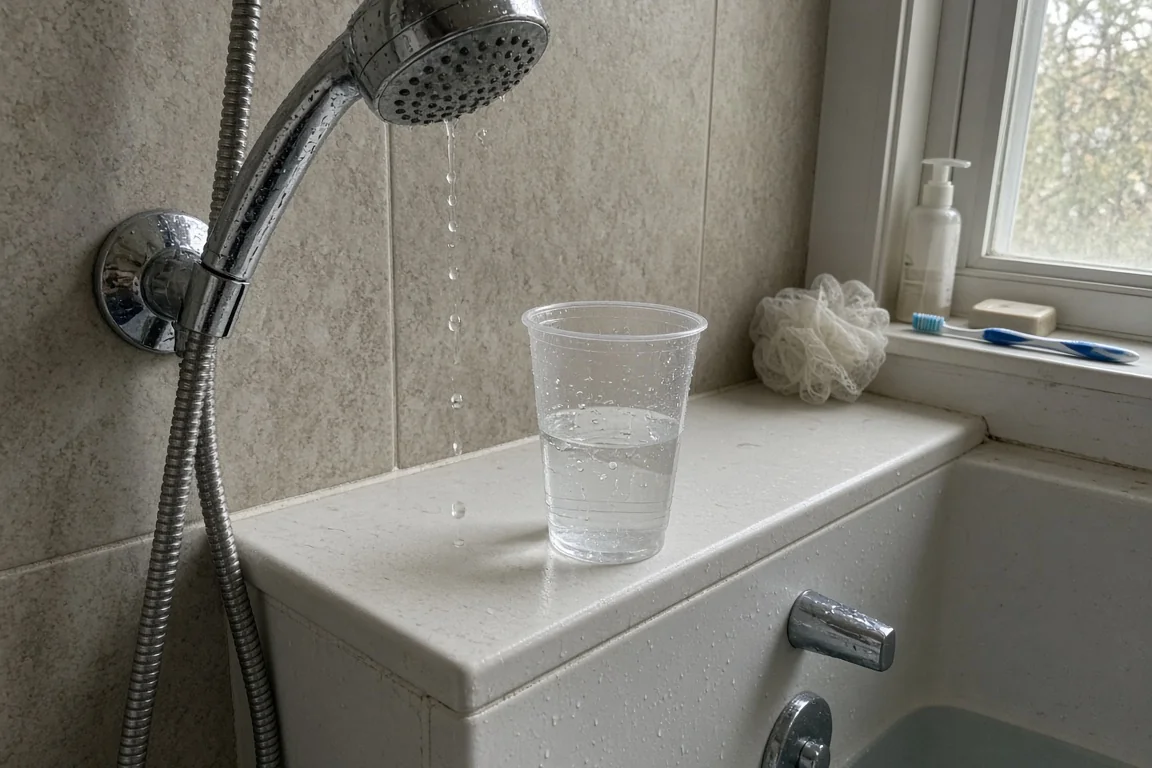
Other problems need a repair but can wait for a day that works for you. A slow drip from the showerhead, a stiff handle, or a little water from the tub spout while the shower runs won't damage your home overnight, though a drip at just one drip per second can waste thousands of gallons a year. To see whether a drip is getting worse, set a cup under it for the same amount of time each day and compare. If the cup fills faster over a week, the part inside the valve is wearing out and it's time to schedule. Just don't let these sit for months. A worn part rarely fixes itself, and a valve that's been leaking a long time can be harder to work on when the day comes.
Cracked grout and failing caulk sit in between. They aren't urgent on day one, but they let water seep behind tile every time someone showers. If you can't reseal them within a couple of weeks, use another shower until you can.
Then there are the problems that shouldn't wait at all:
- The handle won't shut the water off. Turn off the water to the shower, or to the house if there's no shutoff near it, and call.
- Water is dripping from a ceiling, especially near a light fixture. Stay clear of the fixture and keep people out of that area.
- A damp spot or stain is clearly bigger than it was a day or two ago.
- Water shows up on the floor outside the shower after normal use, even with the curtain or door closed.
If you're on the fence, picture the next month. If the worst case is a higher water bill and some annoyance, it can probably wait for a planned visit. If the worst case is a soggy ceiling or a rotted subfloor, it can't. And if you can't tell which one you're dealing with, that's a fair reason to get it looked at before it decides for you.
For homeowners in Lake Oswego, the call itself is the easy part. Tell us what you're seeing and whether the water is staying in the shower. We'll help you sort out whether it needs a visit now, can wait for a better day, or is something you can handle on your own.
Shower repair is part of the everyday plumbing service in Lake Oswego we provide, and you can set up a shower repair visit if water is getting where it should not.
Frequently Asked Questions
Common questions about Shower repair
Can a shower valve be fixed without cutting into my tile?
Often, yes. If there's a closet or room on the other side of the shower wall, the valve can usually be reached and replaced from that side, leaving your tile untouched. When that access doesn't exist, only a small section of tile around the valve may need to come off, which is still much smaller than redoing the whole shower.
Why does my shower water temperature change when someone runs another faucet?
This usually means the part inside the valve that balances hot and cold water has worn out. If you notice hot water loss throughout the whole house, not just the shower, the water heater itself is the more likely cause instead of the valve.
Is it normal for a shower repair to need a second visit?
It can happen if parts for an older valve aren't in stock and have to be ordered. Once the new part arrives, a quick follow-up trip finishes the job, so it's worth asking upfront whether your valve is a common type or a less common one that could need ordering.
How can I tell if my shower drip is getting worse over time?
Set a cup under the drip for the same length of time each day and compare how full it gets over a week. If the cup fills faster as the days go on, the part inside the valve is wearing down further and it's a good time to schedule a repair rather than wait.
Ready to Get Started?
Call (971) 455-3804 now for a free estimate.
Call (971) 455-3804Open 7 AM to 11 PM, seven days a week.