Shower installation
Shower Installation in Lake Oswego
4.9 ★ on Google (16 reviews)Open 7 AM to 11 PM, 7 days
Shower Installation Can Be Cosmetic or Plumbing-Involved
Every shower installation falls into one of two groups. A cosmetic install keeps the valve, drain and supply lines where they are. A plumbing-involved install changes something behind the wall or under the floor. That difference shapes the time, cost and skill the job needs.
When you picture a new shower, you probably see the parts you'll touch: the base, the walls, the handle and the head. That's a fair place to start. But the size of the job comes from what's hidden: the valve inside the wall, the pipes that feed it, and the drain under the floor. Two showers can look the same when they're done and still be very different jobs.
Your install is probably cosmetic if:
- The new shower goes in the same spot, with a base about the same size as the old one.
- The drain stays right where it is.
- The valve in the wall stays, and only the handle and cover plate change.
- The old walls come off and new ones go on without moving any pipes.
It's plumbing-involved if:
- You're moving the shower or turning a tub into a walk-in shower.
- You want a different kind of valve, or you're adding a second head or a handheld sprayer.
- The new base is a different size, so the drain has to move.
- The old valve leaks, drips or uses parts you can't find anymore.
- Opening the wall shows rot, mold or old leaks that need fixing first.
Here's a catch many people don't expect. New handles don't always fit an old valve. If the trim you picked doesn't match the valve body in your wall, the valve has to be replaced. That means opening the wall, so a job you thought was cosmetic now involves plumbing. Check this before you buy your fixtures, not after.
A tub-to-shower swap is a good example. On the surface it looks simple: pull out the tub, put in a shower. But a tub's valve often sits lower than you'd want for a shower used standing up. The tub drain may not line up with where the new base needs it. Fixing both means work inside the wall and under the floor.
This split is also what drives the price. A cosmetic install is mostly about taking out the old shower and setting the new one. A plumbing-involved install adds the work of opening walls, moving or replacing pipes, and closing it all back up. Work that changes your pipes may also need a plumbing permit, so ask whoever you hire whether your job needs one in Lake Oswego and who'll take care of it.
Knowing which group you're in helps you plan your budget and timeline, and it helps you choose the right help. Cosmetic work needs a careful installer. Plumbing-involved work needs a licensed plumber. We're licensed with the Oregon CCB under License #257405, and we do full plumbing and drain work under one roof. So if your shower turns out to need more, like repiping an old supply line or fixing a drain, the same team can take care of it. If you only need a fix on the shower you have now, our shower repair service may be all it takes.
Older Lake Oswego Homes Often Hide Aging Pipes Behind the Shower
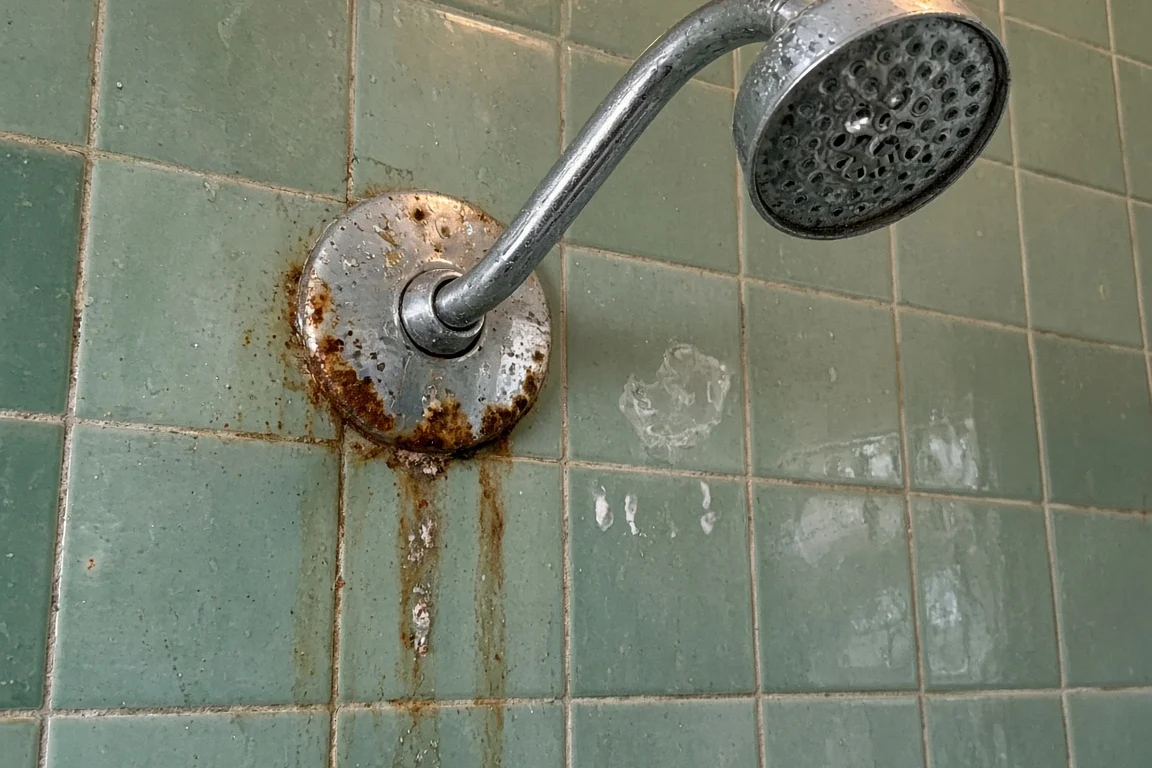
If your Lake Oswego home has a few decades on it, the pipes behind your shower may be as old as the house. That doesn't mean they're failing. But it does mean you won't really know until the wall is open, so it's smart to plan for that before work starts.
Here are the kinds of older pipes that can turn up behind a shower:
- Galvanized steel supply lines. These are gray metal pipes common in many homes built before the 1960s. They rust from the inside, so the opening slowly gets smaller and less water gets through.
- Polybutylene supply lines. This is a gray plastic pipe used in some homes from about the 1970s into the 1990s. It has a history of cracking and failing at the fittings.
- Cast iron drains. They can last a long time, but over the years they can rust through, crack or build up scale inside that slows the water down.
- Mixed repairs. Some older homes have a patchwork of copper, steel and plastic from past fixes. Every spot where two kinds of pipe meet is a place a leak can start.
You can often get a hint before anyone opens a wall. Pay attention to how your shower acts today.
- The spray feels weak, even though other taps in the house seem fine.
- The water comes out brown or rusty for a few seconds when you first turn it on.
- The temperature jumps around when someone uses water somewhere else.
- The drain is slow, even after you've cleared the hair out.
- There are water stains on the ceiling under the bathroom.
None of these proves the pipes are bad. Low pressure, for example, can come from a clogged showerhead or a problem somewhere else in the house. That's why our low water pressure repair work starts with finding the real cause. Still, if you notice two or three of these signs, it's worth talking about the pipes before you pick your new shower.
Why does it matter so much? Because a shower install is one of the few times those pipes are easy to reach. Once the new walls and tile go up, getting back to that valve or drain means tearing out the finished work. Swapping a short run of old supply line while the wall is already open is far less disruptive than doing it a year later through new tile.
That doesn't mean you have to redo every pipe in the house. Sometimes replacing just the lines that feed the shower is enough. If the old pipe problem runs through the whole home, our repiping service is a separate decision you can make on your own timeline. For a drain that keeps backing up, a sewer camera inspection can show what's going on farther down the line before you spend money guessing.
The hardest part of an older-home install is the unknown. So before work begins, ask your installer three things. What happens if the open wall shows old pipe? Will you explain what you found and what it'll cost before doing extra work? And which repairs can safely wait? Clear answers to those questions keep a surprise behind the wall from turning into a surprise on your bill.
Walk-In and Accessibility Conversions Are Part of Shower Installation
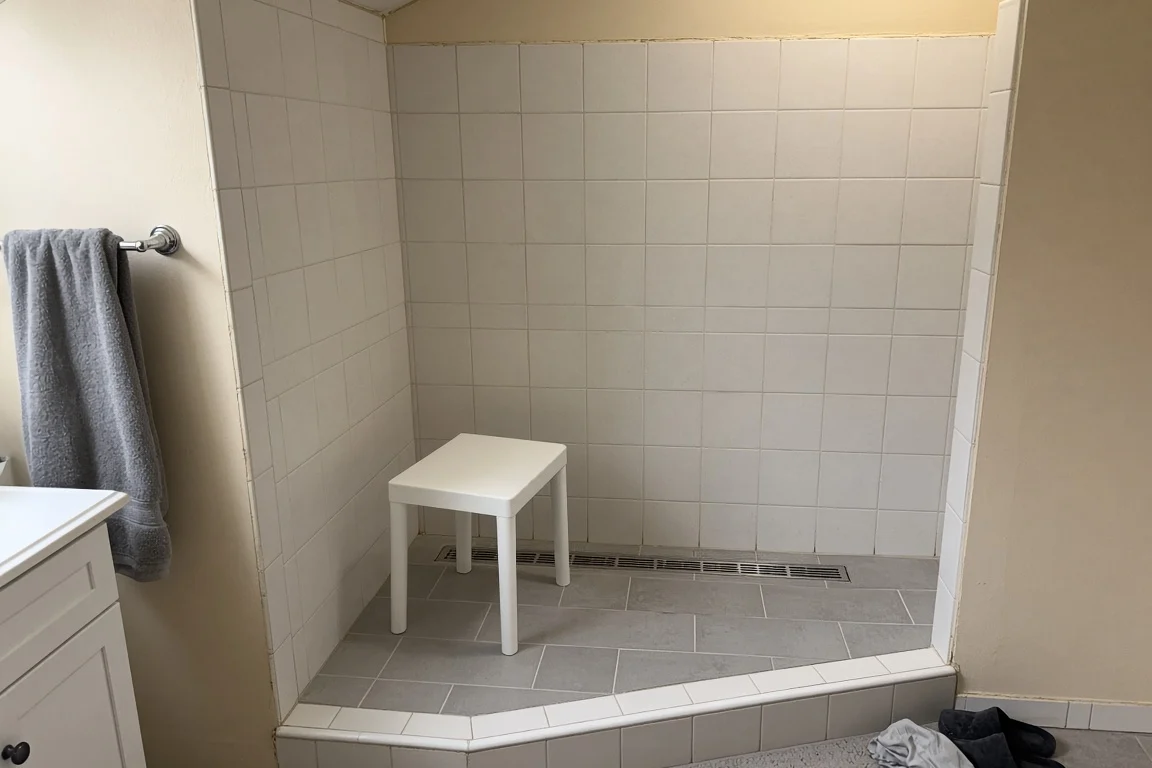
A walk-in or accessible shower is still a shower installation. It just almost always lands in the plumbing-involved group. Making a shower easier to step into is mostly about the floor and the drain, and that's where the real work hides.
Most people start with a goal like this: "I want to stop climbing over the tub wall," or "Mom needs to sit down while she showers." Those are good reasons, and they lead to different jobs. Here's what each common feature asks of your pipes and floor.
- Low or no curb. A shower with a small lip or no lip at all needs the drain set lower and the floor sloped so water runs the right way. A true curbless floor can mean lowering part of the subfloor, which is real work under the bathroom.
- A different drain style. Some walk-in designs use a long, narrow drain along one edge instead of a round drain in the middle. That changes where the drain pipe has to go.
- A handheld sprayer. It's one of the most helpful upgrades for someone who sits to shower. It often needs a diverter or a different valve setup, so it's work inside the wall.
- A valve you can reach from a seat. If someone will shower sitting down, the handle may need to move lower or closer to the bench. That means moving the valve and the pipes that feed it.
- Safer water temperature. A valve that keeps the temperature steady when someone flushes a toilet or runs a sink helps prevent sudden hot bursts. If your current valve doesn't do this, it's worth asking about while the wall is open.
Grab bars and fold-down seats aren't plumbing, but they belong in the plan. They need solid backing inside the wall to hold a person's weight. The easiest time to add that backing is while the wall is already open for the valve work. Once new tile goes up, adding it gets much harder.
A tub-to-walk-in conversion brings the same valve height and drain issues covered above, plus the floor work for a lower entry. So if you're comparing quotes, make sure each one spells out what happens to the drain and the floor, not just the walls and the base.
Now, the honest part. You may not need a full conversion. If the person showering can still step over a tub wall with a little help, a handheld sprayer on your existing setup and a sturdy shower chair may be enough for now. If your tub is in good shape and someone in the house still uses it for baths, keeping it can make sense. A full walk-in conversion is a bigger project, and it's okay to wait until you know it's the right fit.
If you do go ahead, think about who will use the shower in five or ten years, not just today. Adding blocking for grab bars or setting the valve where a seated person can reach it costs far less during the install than after. If you'd like help sorting out which changes your bathroom really needs, we can walk through your goals and explain what each one means for the pipes and the floor before any work starts.
What Happens During a Plumbing-Involved Shower Installation
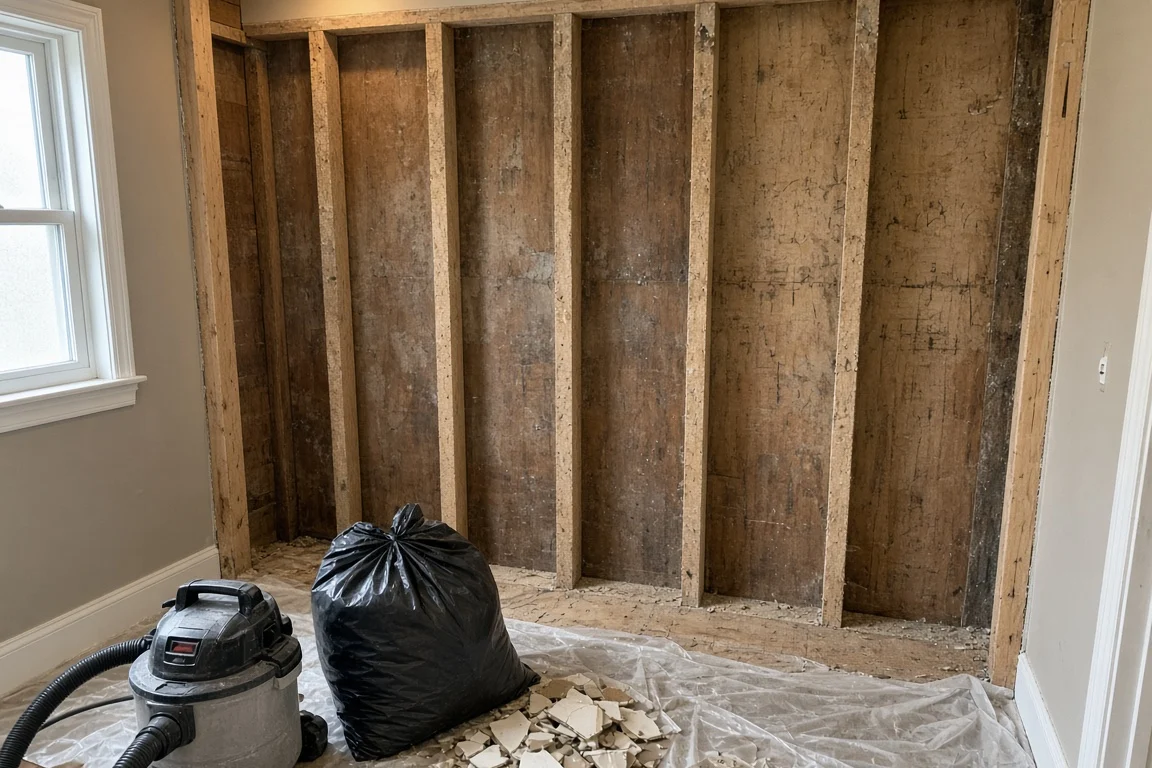
A plumbing-involved install happens in stages, and the order matters. The pipes have to be right before anything pretty goes on top of them. Most of the real work happens in the middle of the job, at a point you might not see if you're at work all day. That's why it helps to know what to look for.
Here's how the work generally moves from start to finish.
- Shut off and protect. The water to the shower gets turned off. Sometimes that means shutting off the whole house for a short time. Floors and nearby rooms get covered, since tearing out a shower makes dust and debris.
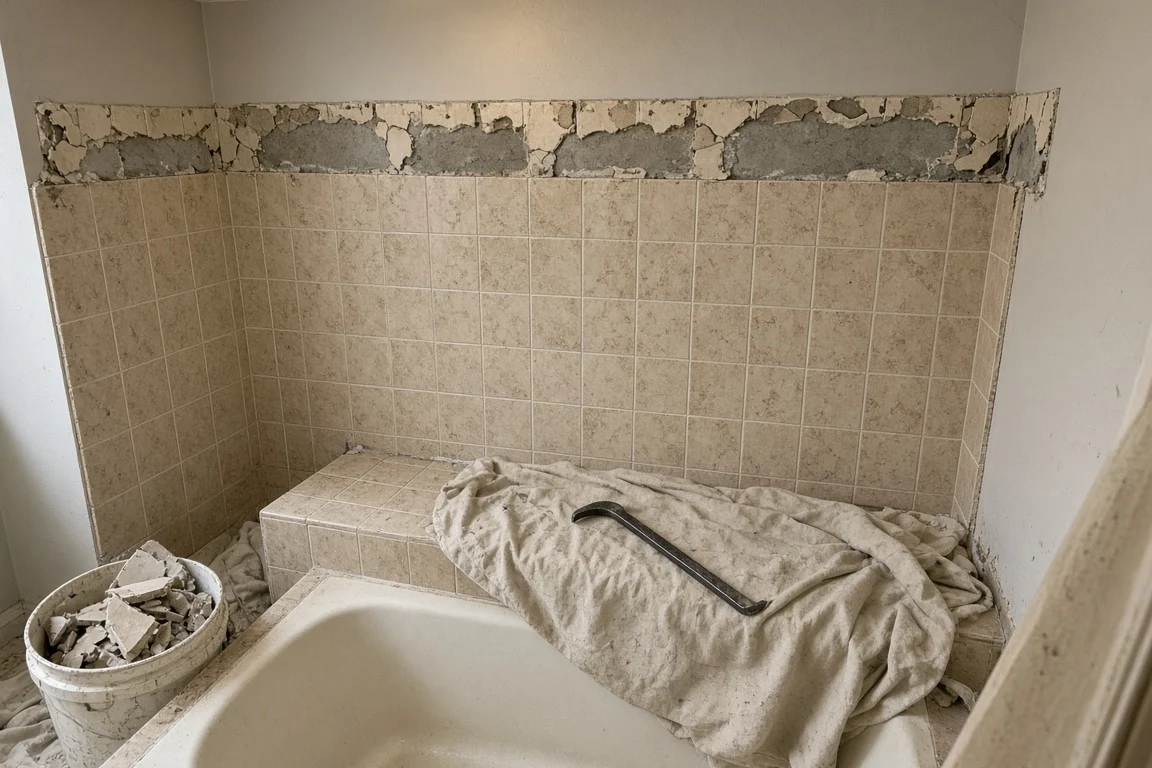
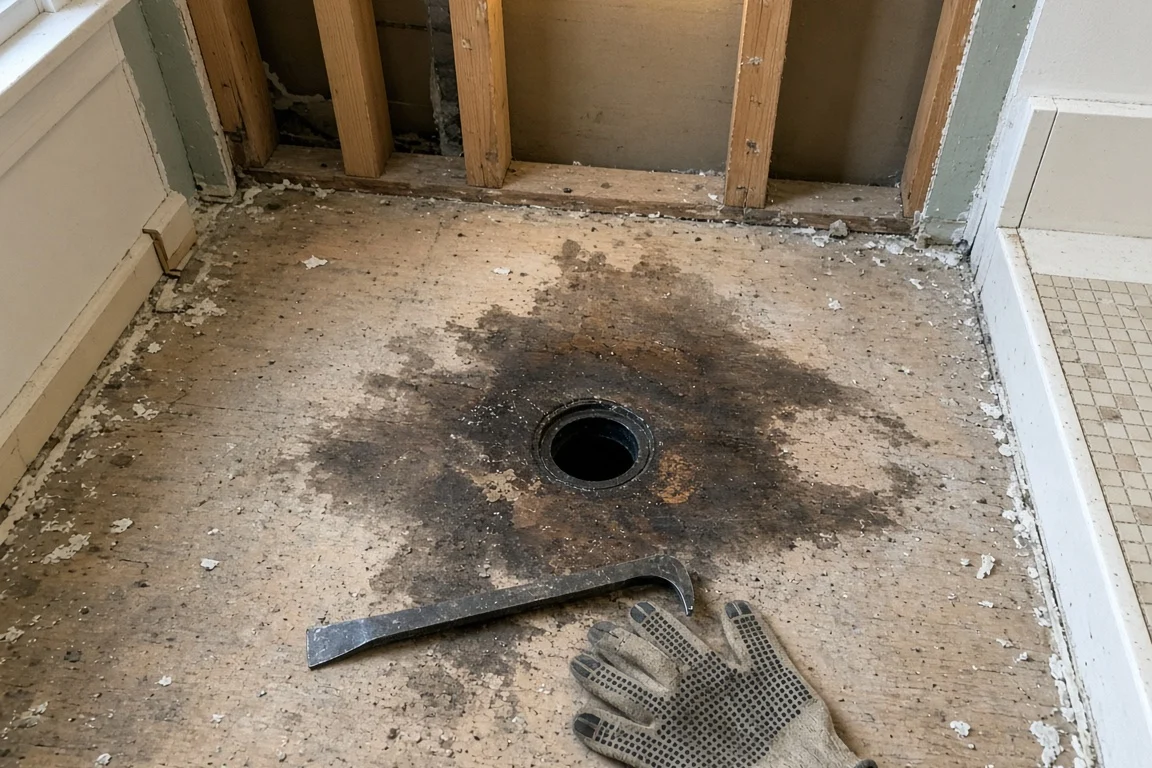
- Tear out. The old base, walls and tile come out, often down to the studs and subfloor. This is when hidden problems show up, like the old pipes and water damage covered above.
- Rough-in. This is the plumbing heart of the job. The valve gets set at the right height in the wall. New supply lines get run to it, and the drain gets placed where the new base needs it. If a handheld sprayer or second head is part of the plan, those lines go in now too.
- Test before closing. Good practice is to run water through the new lines and check every joint for leaks while everything is still in plain view. If your job needs a permit, an inspector may also need to see the pipes before the wall goes back up.
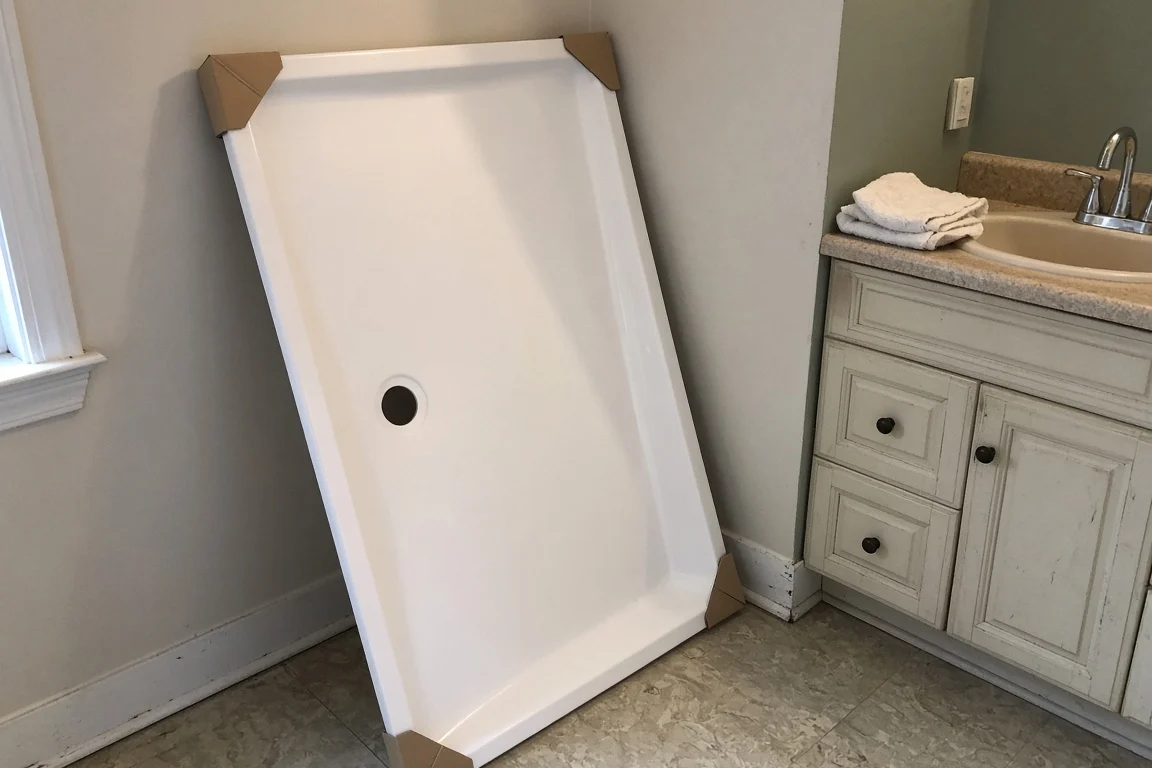
- Waterproof and set the base. The base or shower pan goes in, and the walls get a water barrier behind them. With a tiled floor, the pan is often filled with water and left to sit for a while to prove it holds.
- Walls and finish. Panels or tile go up. Tile and its setting materials need time to cure, so some days may pass with little visible progress.
- Trim and final check. The handle, cover plate, head and drain cover go on last. Then hot and cold get tested, the drain gets checked for good flow, and everyone looks for drips.
The test-before-closing step protects you most. Once tile is up, a leaky fitting behind it can drip for months before you notice a stain on the ceiling below. Feel free to ask to see the rough-in before the wall closes, or to get photos if you can't be home. It's a fair request, and a short look now can save a lot of tearing out later.
Plan for your bathroom to be out of use for days, not hours. Cure times, any permit inspections, and surprises found during tear-out can all stretch the schedule. A cosmetic swap moves faster because there's no rough-in or pipe testing. If this is your only shower, line up a backup before work starts, whether that's a second bathroom, a gym or a friend's place nearby.
You'll also want to keep in touch as each stage wraps up. Ask to hear about it when tear-out is done and what was found, when the pipes pass their test, and when the finish work begins. A clear update at each point means you're never guessing about what's behind your new walls.
Frequently Asked Questions
Common questions about Shower installation
Can you convert my tub into a walk-in shower, or is that a different kind of job?
Yes, a tub-to-walk-in conversion is a shower installation, but it almost always involves plumbing work. The valve in a tub usually sits lower than what works for standing or seated showering, and the drain often needs to move to match the new base. Expect the wall and floor to be opened up, not just the surface swapped out.
How do I know if a handheld sprayer will work with my current shower setup?
It depends on your existing valve, since a handheld sprayer usually needs a diverter or a different valve to control it. That means the work happens inside the wall, not just at the fixture. If you're planning this upgrade, it's worth asking about it before the new walls go up so the valve can be set up right the first time.
What should I do if I only have one bathroom and need a new shower?
Plan for your bathroom to be out of use for several days, not just hours, and line up a backup option before work starts. Cure times for tile, any required inspections, and hidden issues found during tear-out can stretch a plumbing-involved job longer than expected. A nearby gym, a second bathroom, or a friend's place can cover you while the work finishes.
Ready to Get Started?
Call (971) 455-3804 now for a free estimate.
Call (971) 455-3804Open 7 AM to 11 PM, seven days a week.