Sewer line repair
Sewer Line Repair in Lake Oswego
4.9 ★ on Google (16 reviews)Open 7 AM to 11 PM, 7 days
Telling a Sewer Line Problem From a Simple Clogged Drain
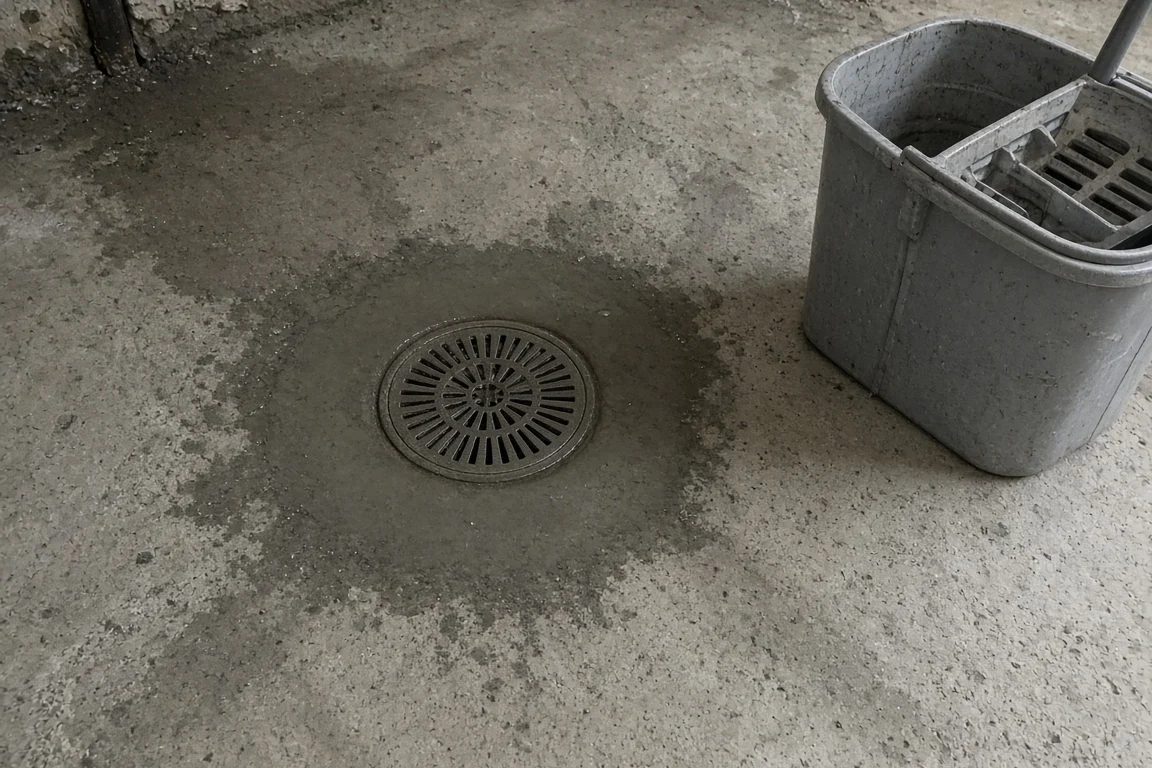
If only one drain is acting up, it's usually a local clog, not a sewer line problem. When several drains back up at once, the trouble starts at the lowest drains in the house, or clogs keep coming back after cleaning, the main line is the likely cause. A camera inspection shows which one you're dealing with before anyone digs.
Before you worry about the yard getting torn up, look at how many drains are involved. Every sink, tub, and toilet in your home has its own short pipe. Those pipes join into one main line that carries everything out to the city sewer. A clog in one small pipe only affects that one fixture. A problem in the main line affects everything upstream of it.
So if your bathroom sink drains slowly but the tub, toilet, and kitchen sink all work fine, the problem is almost always close to that sink. Hair, soap, and grease build up in the trap or the pipe just past it. That's a drain cleaning job, not a sewer line repair. Sometimes a plunger or a hand snake is all it takes, and you may not need to call anyone at all.
The picture changes when the symptoms spread. These signs point past a single fixture and toward the main line:
- More than one drain is slow or backing up at the same time, especially on different sides of the house.
- The lowest drains go first. A basement floor drain, lower-level shower, or downstairs toilet fills with water when you use fixtures upstairs.
- Flushing a toilet makes the tub gurgle or pushes water up into the shower.
- You smell sewage inside or outside, even though the drains seem clear.
- A patch of lawn over the sewer path stays soggy, greener than the rest, or sinks a little.
- The same clog comes back within weeks of being cleared.
That last one matters more than people think. If a drain cleaning keeps buying you only a short break, the pipe may have a deeper issue, like roots pushing through a joint, a sagging section that holds waste, or a crack. Cleaning clears the blockage, but it can't fix the pipe that keeps causing it.
Here's a common example. You run the washing machine and notice water creeping up through the floor drain nearby. Nothing upstairs seems wrong. That pattern often means water can't get past a spot in the main line, so it comes back out at the lowest opening it can find.
Symptoms can point you in the right direction, but they can't tell you exactly what's wrong or where. Two homes with the same gurgling toilet might have a simple buildup in one case and a broken pipe in the other. That's why we offer sewer camera inspection. A small camera goes down the line so you can see what's there before you decide on cleaning, a spot repair, or something bigger. Knowing the cause first keeps you from paying for a fix that doesn't solve the problem.
Why Camera Inspection Comes Before Any Repair Decision
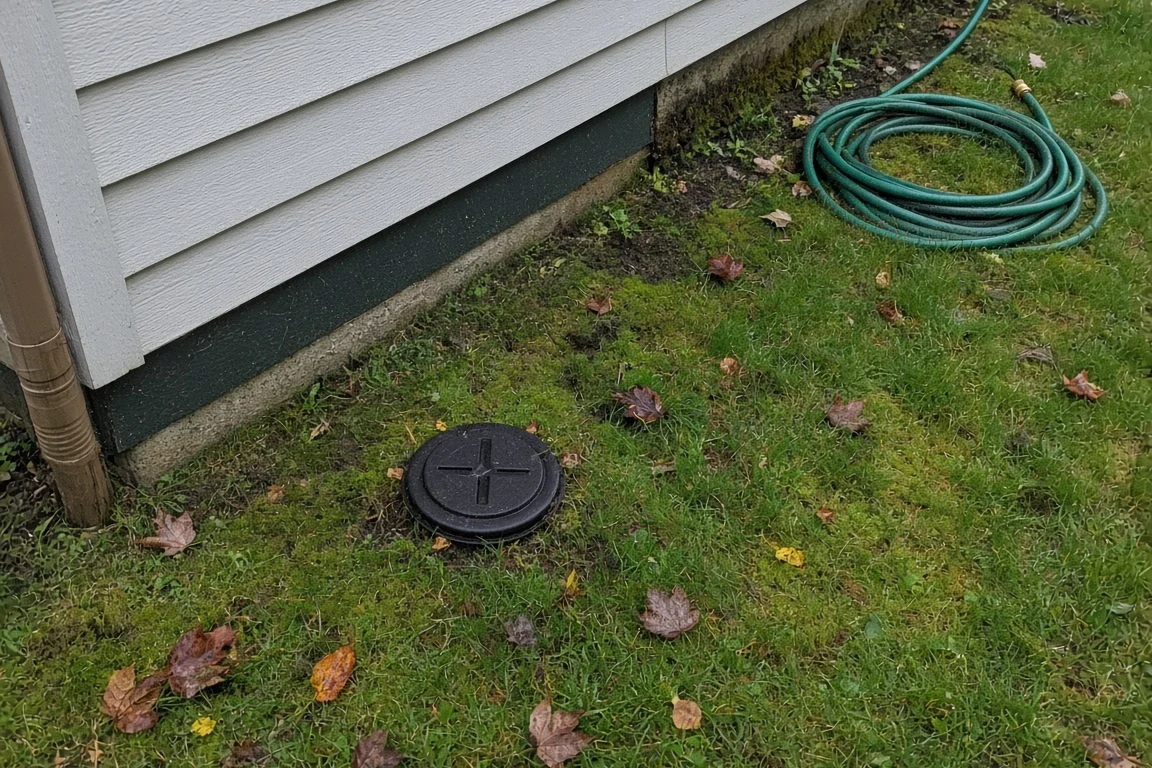
A camera inspection answers three questions nobody can answer from inside your house. What's wrong with the pipe? Where exactly is it? How much of the line is affected? Those answers decide what kind of repair makes sense, and they shape what the job costs. Without them, any repair plan is a guess.
Here's how common camera findings tend to point toward different fixes:
- Grease, sludge, or scale buildup: The pipe itself may be fine. A thorough cleaning, such as hydro jetting, may be all you need, with no digging.
- Roots at one joint: Clearing the roots helps for now. If the joint is open, though, roots will find their way back, so a repair at that spot may be the longer-lasting answer.
- A crack or a joint that has shifted out of line: This is often a single problem area that can be fixed on its own.
- A sag, or belly: A low spot holds water and waste, so clogs keep forming there. A short sag is a smaller job than a long one.
- A collapsed or crumbling section: Cleaning won't help here. The damaged part of the pipe has to be replaced.
- Wear along the whole line: If one bad spot sits in a pipe that's breaking down everywhere, patching it may only move the problem a few feet down the line.
That last point is why it helps to see the full length of the pipe, not just the spot that's failing. A single repair is the right call when the rest of the line looks solid. It's a poor value when the next weak spot is close behind it.
Location matters almost as much as the problem itself. Inspection cameras measure how far they've traveled from the access point. Many can be tracked from above ground, so the trouble spot can be marked on the surface. A crack under open lawn is a very different job from one under a driveway, a patio, or a large tree. Depth plays a part too. When you get a quote, these are some of the main reasons one sewer line repair costs more than another.
Sometimes the camera can't see much at first. If the line is fully backed up, it may need to be cleared before an inspection can show the pipe walls. That's normal, and it's still worth doing, because a cleared line with no camera look tells you very little about why it backed up.
Whoever inspects your line, these questions will help you understand what you're paying for:
- Can I see the footage of the problem area?
- How far from the access point is it, and about how deep?
- What does the rest of the pipe look like?
- Why do you recommend this repair over a smaller or larger one?
If someone quotes a full line replacement before anyone has looked inside the pipe, it's fair to ask how they reached that answer. A good repair recommendation should match what the camera showed. You should be able to follow the reasoning, and you shouldn't feel rushed into the biggest option on the table.
Root Intrusion and Aging Pipe in Lake Oswego's Older Homes
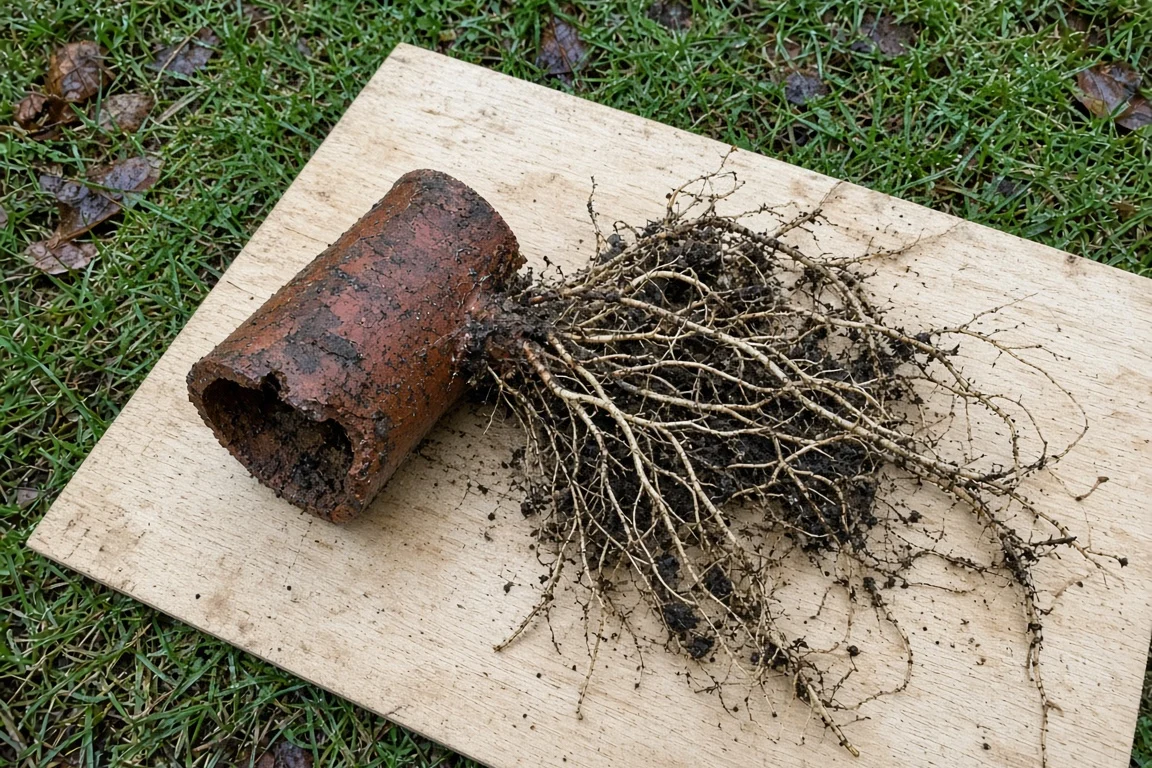
If your Lake Oswego home has been around a while, or there's a large tree anywhere near the path of your sewer line, roots and pipe age are two of the first things worth asking about. They're closely linked. Old pipe gives roots a way in, and roots make old pipe fail faster.
Roots don't break into a solid pipe. They find a weak spot. A tiny gap at a joint or a hairline crack lets out a little moisture, and that's enough to draw them in. A thin root slips through and then grows inside the pipe, where there's steady water and food. Over time it forms a mat that catches paper and waste. As the root gets thicker, it can push the joint farther apart or widen the crack.
That's why roots so often come back. Cutting or jetting them out clears the pipe, and it can give you real relief. But the opening they came through is still there. Unless that spot is repaired, roots will usually find it again. How fast depends on the tree, the season, and how big the gap is.
The pipe material matters a lot, because older sewer lines were built from materials that age in different ways:
- Clay pipe comes in short sections joined every few feet. All those joints give roots many chances to get in, even when the clay between them is still in good shape.
- Cast iron is strong, but it can rust from the inside. The inner wall gets rough and flaky, which catches waste, and it can thin out enough to crack or leave holes.
- Fiber pipe, sometimes called Orangeburg, was a pressed tar and paper material used in some homes in the mid 1900s. It can soften, flatten, and lose its shape. If your line is made of it, repair choices tend to be limited.
- Plastic pipe, such as PVC, usually has tightly sealed joints that resist roots well. Newer homes, and older homes where a section was already replaced, may have it for some or all of the line.
Many older homes have a mix. Maybe one section was replaced years ago and the rest is original. That's one more reason the condition of the whole run counts, not just the spot that's causing trouble today.
So what does this mean for your decision? If roots are coming through one joint in a line that's otherwise sound, clearing them and fixing that joint is often the sensible choice. If the camera shows roots at joint after joint, or old pipe that's corroded or out of shape along most of its length, fixing one spot may just push the next failure a few feet down the line. Paying for repeat root clearing every year or two can add up too. At some point it makes sense to compare that ongoing cost with the cost of fixing the pipe.
Trees aren't the enemy here. A healthy tree and a sound sewer line can share a yard just fine. Roots are a sign that the pipe has an opening. Fixing that opening is what ends the cycle.
If you're not sure what your line is made of, that's normal. Most people don't know until someone looks. We can help you find out during a sewer camera inspection, and then walk you through whether cleaning, a spot repair, or a bigger fix fits what the pipe shows.
What Drives the Cost of a Sewer Line Repair
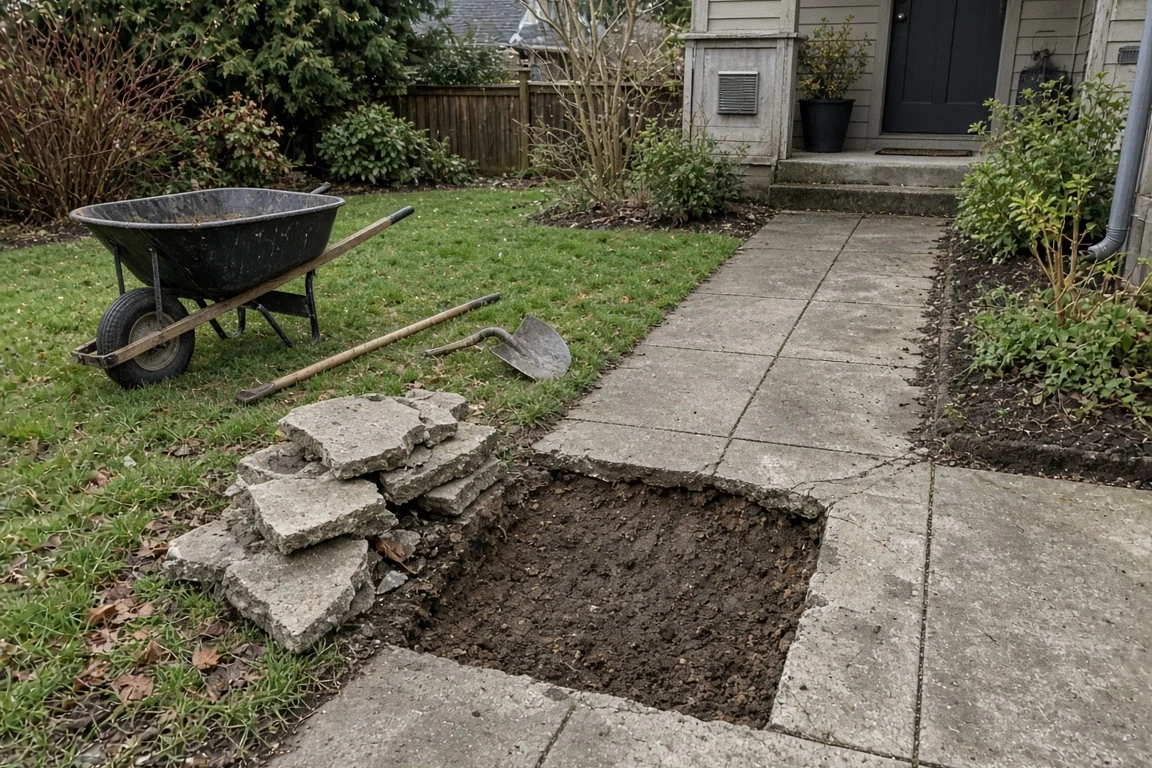
There's no honest single price for sewer line repair, because the job can be anything from fixing one joint under the lawn to replacing a long run of pipe. What the camera finds sets most of the cost. Beyond where the problem sits and how deep it is, which we covered above, these are the things that move a quote up or down.
- How much pipe needs work. A single crack or open joint is a smaller job than a long sag or several bad sections. Replacing the whole line is the biggest job of all.
- The repair method. A spot repair fixes one area. Section replacement swaps out a longer stretch. Some lines can be fixed with trenchless methods that need less digging, but whether that works depends on the pipe's shape and condition. A flattened or collapsed pipe may rule it out.
- What's on top of the pipe. Digging through grass is simpler than cutting through a driveway, a patio, or near a large tree. Ask whether putting the surface back is part of the quote or a separate cost.
- The pipe material. Old cast iron, clay, or fiber pipe can change what repair is possible and how much of the old line needs to come out.
- Permits and inspection. Sewer work often needs a permit and a city inspection. That adds time and cost, so it's worth confirming it's included.
- Cleaning and inspection. If the line has to be cleared before the camera can see anything, that may be a separate step on the bill.
- Timing. A sewage backup at 9 PM needs fast help. A slow drain you've watched for months gives you room to plan and compare.
It also helps to know where your part of the line ends. In many cities, the homeowner is responsible for the pipe from the house to the public sewer, and the city handles the main in the street. If the camera shows the problem near the street, ask the City of Lake Oswego who owns that section before you pay to fix it.
Quotes in this trade usually come one of two ways. A project price covers a set scope of work for one total. A time and materials price bills for hours and parts as the job goes. Either can be fair. What matters is that you know which one you're getting and what could change it, like finding more damage once the pipe is open.
Before you agree to any sewer repair, these questions will help you compare quotes on equal terms:
- Is this price for the whole job, or will it change based on what you find?
- Does it include the permit, the inspection, and restoring the yard or driveway?
- What happens if there's more damage than the camera showed?
- Are cleaning and the camera inspection billed separately?
- Are you licensed with the Oregon Construction Contractors Board?
That last question is an easy check, and you should ask it of anyone you hire. Our Oregon CCB license number is 257405. A lower quote isn't always the cheaper choice. A spot repair on a line that's failing everywhere can end up costing more over a few years than fixing the pipe properly once. A good quote shows you what's included, what isn't, and why the repair fits what the camera found.
The City of Lake Oswego Permit Requirement for Sewer Lateral Work
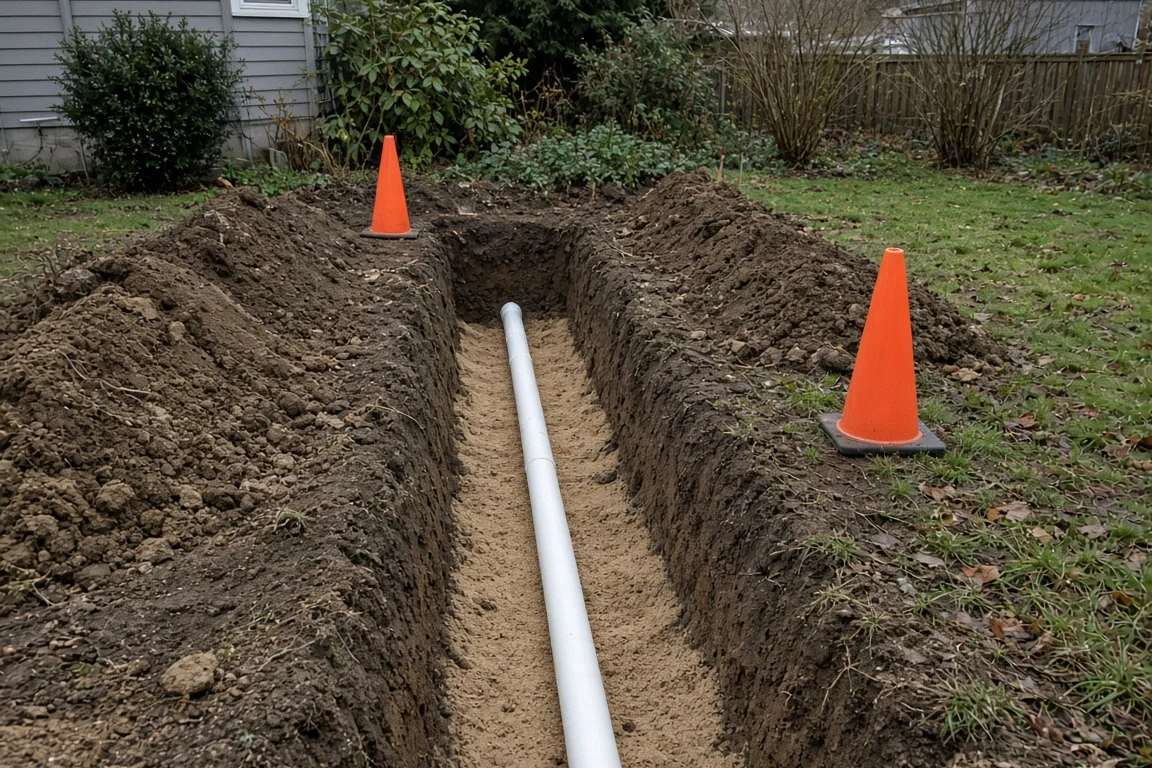
Your sewer lateral is the private pipe that runs from your house out to the public sewer. Repairing or replacing it usually means a City of Lake Oswego permit and an inspection before the trench is closed. Cleaning the line or running a camera through it generally doesn't need one. Cutting out pipe, putting in new pipe, or digging to reach the line usually does. The city sets the exact rules, so check with them before work starts.
A permit can feel like red tape when sewage is backing up into your basement. It's there to protect you. Once the pipe is buried, nobody can see whether it was laid at the right slope, joined tightly, or bedded properly. The inspection is the one chance for someone outside the job to check that work while it's still open.
Skipping it can cost you later. Unpermitted sewer work can come up when you sell your home, and a buyer's inspector or lender may ask about it. In some cases, proving the work was done right means opening the ground again. That's the opposite of what you want from a repair meant to fix the problem once.
A few things can change what's needed on your job:
- Where the damage sits. A break under your lawn stays on your property. A problem near the street may reach the part of the line the city owns, as we mentioned above, or require digging in the public right of way. That can mean a different permit or the city doing that part itself.
- The repair method. Trenchless work and open digging are both sewer repairs. The city may still want to see or review the finished pipe either way.
- How much pipe is involved. A short spot repair and a full line replacement can have different permit and inspection steps.
What if the backup happens at night? The first job is getting the line flowing so your home is usable again. Clearing a blockage is different from replacing pipe. Once the camera shows what's wrong, the permanent repair can be planned with the permit in place. You don't have to make a big decision in the middle of a mess.
Before you sign off on any sewer lateral repair, ask these questions:
- Does this job need a City of Lake Oswego permit, and who's getting it?
- Is the permit fee included in the quote?
- When will the inspection happen, and will the trench stay open until it passes?
- Will I get a record showing the work passed inspection?
Clear answers to these questions are a good sign. If a contractor says a permit isn't worth the trouble on a pipe replacement, take that as a warning. You'll own that pipe long after the crew leaves.
We're licensed with the Oregon Construction Contractors Board under license #257405 and bring 20 years of hands-on plumbing experience to the job. We can start with a sewer camera inspection, so you know what's wrong, where it is, and what the repair involves before any digging begins. If sewage is backing up now, we handle sewer backups from 7 AM to 11 PM, seven days a week.
Sewer line repair is part of our Lake Oswego drainage service, and if backups keep happening you can request a sewer line repair visit.
Frequently Asked Questions
Common questions about Sewer line repair
Can trenchless repair fix any sewer line problem?
No, it depends on the pipe's shape and condition. Trenchless methods need less digging, but a flattened or collapsed section may rule it out. The camera inspection shows whether your pipe is a good candidate before anyone commits to a method.
Is a backed-up sewer line a true emergency, or can it wait?
If sewage is backing up into your home, that's an emergency and needs attention right away. A slow drain you've watched for months is different. It gives you time to get a camera inspection and compare repair options instead of rushing a decision.
Who do I call first, a plumber or the city, if I see a soggy spot in my yard?
Call a plumber first for a camera inspection to find the cause. If the soggy spot turns out to be near the street, ask the City of Lake Oswego who owns that section, since the city often maintains the main line while you own the lateral running to it.
Does clearing roots from my sewer line mean the problem is solved?
Not always. Clearing roots fixes the blockage, but the gap they grew through, usually a joint or small crack, is still there. Unless that spot is repaired, roots tend to find their way back in, sometimes within a year or two depending on the tree and the size of the opening.
Ready to Get Started?
Call (971) 455-3804 now for a free estimate.
Call (971) 455-3804Open 7 AM to 11 PM, seven days a week.