Sewer camera inspection
Sewer Camera Inspection in Lake Oswego
4.9 ★ on Google (16 reviews)Open 7 AM to 11 PM, 7 days
Deciding If a Camera Inspection Is the Right Next Step
A sewer camera inspection makes sense when the problem points past one fixture, keeps coming back, or a big decision depends on the line's condition. A single slow sink or a one-time toilet clog usually doesn't need one. The goal is to see what's wrong before anyone picks a repair.
Not every drain problem needs a camera. The real question is simple: is the trouble in one fixture, or is it somewhere in the main line that serves the whole house? If it's the main line, guessing gets expensive fast. A look inside the pipe tells you what you're dealing with before you pay for a fix.
These signs point toward the main sewer line, where a camera earns its keep:
- The same drain clogs again within weeks or months after it was cleared.
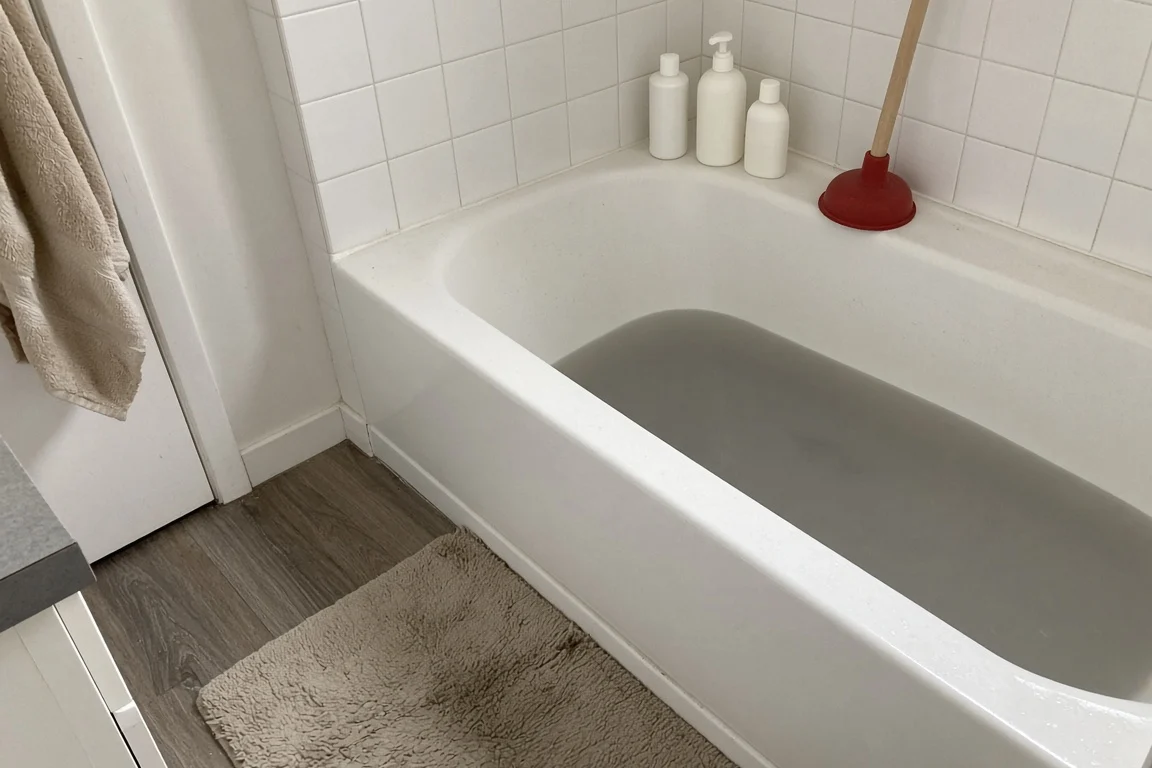
- More than one drain is slow at the same time, like a tub and a toilet.
- You hear gurgling from a drain when a toilet flushes or the washer empties.
- Water backs up into the lowest drain in the house, such as a floor drain or basement shower.
- You smell sewage inside or notice soggy, extra green patches over the yard where the line runs.
- You're buying a home, planning a remodel or weighing a sewer line repair and want to know the pipe's real condition first.
Repeat clogs matter most here. Clearing a line can open it up for a while, but it doesn't tell you why it closed. Roots, a sag where water sits, or a cracked joint will keep catching debris. Seeing the cause is how you avoid paying for the same cleaning over and over.
Now the honest part. You probably don't need a camera if only one sink or tub is slow and everything else drains fine. Hair and soap buildup in a single fixture is common. A plunger or a basic drain cleaning often solves it. The same goes for a toilet that clogged once after something went down that shouldn't have. If it clears and stays clear, there's nothing to inspect. Wait and watch. If it comes back, that's when a camera makes sense.
If sewage is backing up right now, the first step isn't a camera. Stop running water in the house so you don't add to the backup, then call for help. A line full of standing water and waste is hard to see through, so the blockage often has to be cleared first. The inspection can come once things are flowing again.
Cost depends on a few practical things, so it helps to know them before you ask for a quote:
- Access. A cleanout outside the house is the easiest way in. Without one, getting the camera into the line can take more work.
- Line length and layout. A long run to the street or several bends can take more time to inspect.
- Clearing first. If the line is blocked, cleaning it before the inspection adds to the job.
- What you get afterward. Ask whether you'll see the footage, get a recording and learn where and how deep any problem sits.
That last question is worth asking any plumber. Footage you can watch, with the problem spots pointed out, lets you judge the repair advice for yourself. It also gives you something solid to share if you're buying a home or getting a second opinion. When you understand what's in the pipe, you can choose a fix with confidence instead of hoping the cheapest guess works.
When a Simple Drain Cleaning Is Enough
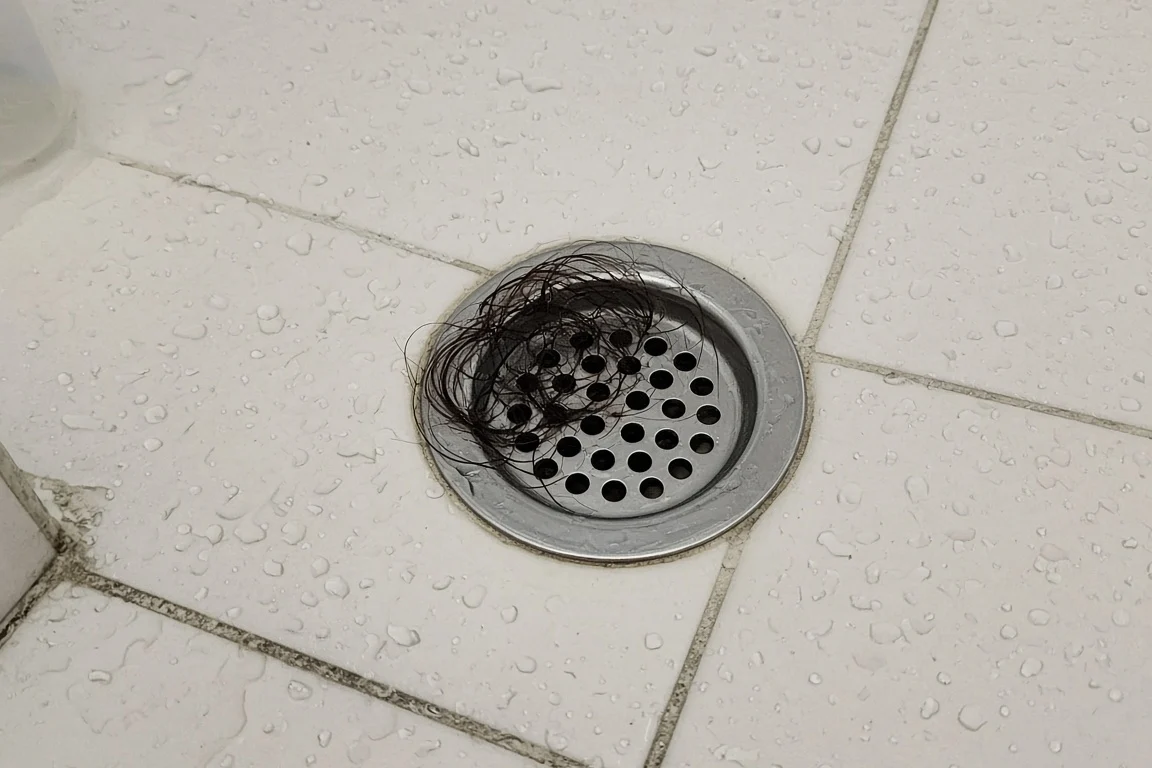
A simple drain cleaning is enough when the clog sits in one fixture's own pipe, the drain clears all the way, and it stays clear. When that happens, the cleaning has done two jobs at once. It fixed the drain, and it showed you the problem was small. You don't need a camera to confirm what the results already tell you.
Most fixture clogs form close to the fixture, in the curved trap under the drain or the first few feet of pipe. Each fixture tends to collect its own kind of buildup. Bathroom sinks catch hair, toothpaste and soap. Kitchen sinks catch grease and bits of food. Showers and tubs catch hair and soap scum. Clearing that short stretch of pipe fixes the problem, because nothing deeper in the system caused it.
These signs mean the cleaning did its job:
- The drain runs at full speed right away, not just a little faster than before.
- Other drains in the house keep working normally while this one runs.
- You don't hear gurgling or see bubbles coming up from nearby drains.
- It's still draining well a few weeks later, with no slowdown creeping back.
It also helps to ask what came out of the pipe. The debris tells a story. A clump of hair or a soapy plug points to everyday buildup in that fixture. A greasy mass from the kitchen points to what's been going down the sink. Those are normal, fixable problems. But if the cleaning tool comes back with thin roots, dirt or gritty soil on it, the trouble likely sits past the fixture in a buried line. That's when a camera look stops being extra and starts being useful.
Once a fixture is clear, a few habits help keep it that way:
- Put a strainer over shower and tub drains to catch hair before it goes down.
- Wipe greasy pans with a paper towel and throw it in the trash before you wash them.
- Keep wipes, paper towels and cotton swabs out of the toilet, even wipes labeled flushable.
- Scrape food scraps into the trash instead of rinsing them down the kitchen drain.
There's a money side to this too. A cleaning on one fixture is a smaller job than inspecting a main sewer line. If one drain is the only problem and the cleaning holds, paying for a camera adds cost without telling you anything new. It makes more sense to save the inspection for when a cleaning doesn't last or the clues point to the main line.
If you're not sure which way your problem leans, tell us which drains are slow, how long it's been going on and whether it has happened before. Those details help us suggest whether a drain cleaning is the right place to start or whether a look inside the line is worth it. Either way, the goal is to fix what's wrong, not to sell you more work than the drain needs.
What Happens During a Camera Inspection
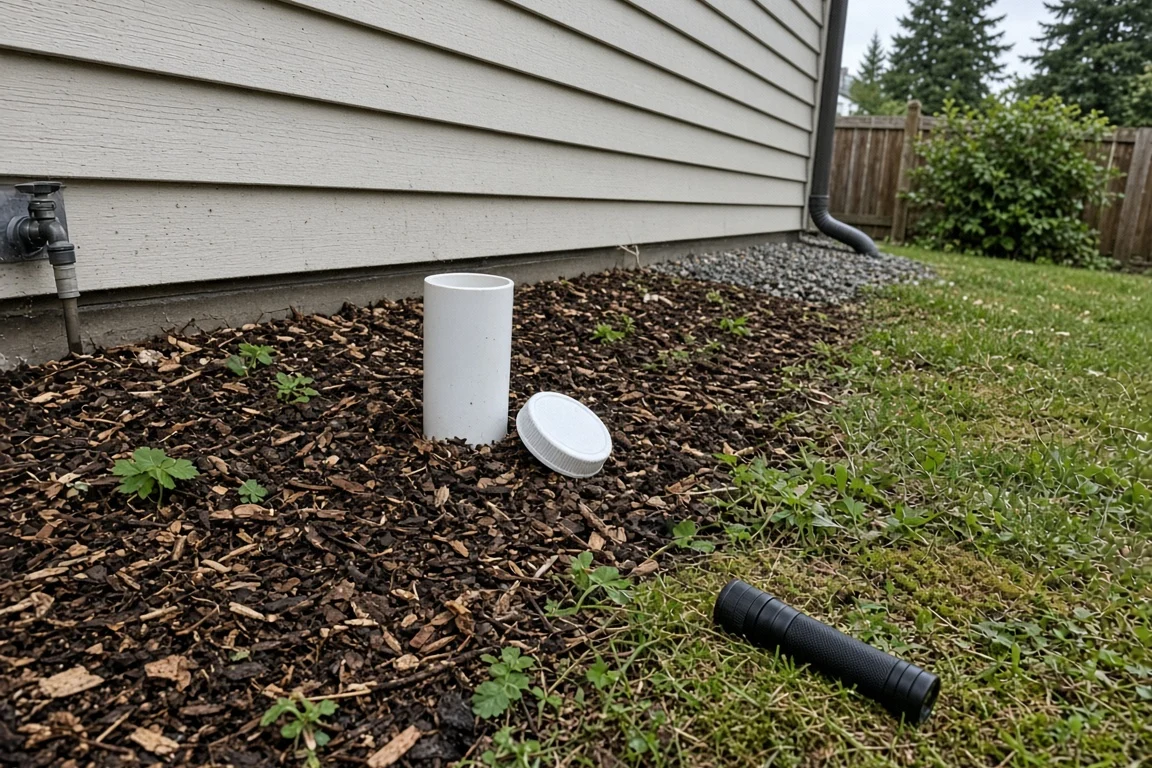
A sewer camera inspection is a slow, careful look inside your pipe. A small waterproof camera on the end of a long, flexible cable goes into the line and travels toward the city sewer or septic tank. As it moves, it sends live video to a screen above ground. Nothing gets dug up. The goal is to see the pipe's real condition before anyone suggests a repair.
First, the camera needs a way in. An outside cleanout is the easiest option, as noted earlier. Without one, the camera may go in through a toilet drain after the toilet is pulled, or through another opening that connects to the main line. The best entry point depends on how your plumbing is laid out.
Next, the camera is fed through the line, a little at a time. It pauses at joints, bends and anything that looks off so the picture is clear. You can usually watch the screen as it goes. Problems in a sewer pipe tend to look like this:
- Roots: thin hairlike strands or thick clumps pushing in through a joint or crack.
- Cracks and breaks: dark lines or missing chunks of pipe wall.
- Offset joints: a ledge where two pipe sections no longer line up, which catches paper and waste.
- Sags or bellies: a low spot where water sits in the pipe instead of flowing away.
- Buildup: grease or scale narrowing the inside of the pipe.
- Collapsed sections: a spot where the camera can't get past because the pipe has caved in.
Seeing a problem is only half the answer. You also need to know where it is. Many sewer cameras have a small transmitter in the head. When the camera stops at a problem, a locator held above ground can pick up that signal and mark the spot on your yard or floor, along with a rough depth. That changes the repair talk. A crack ten feet from the house under the lawn is a very different job from one under the driveway or near the street.
Your part is small. Make sure the access point is easy to reach, and avoid running water, flushing or starting the washer while the camera is in the line. Extra water makes it harder to see. If you can, stay nearby and watch. Problems are easier to understand when you see them yourself than when you only hear about them later.
By the end, you should be able to answer three questions in plain words. What's wrong with the pipe? Where is it? How serious is it? If any of those are still fuzzy, ask before you agree to a repair. A good inspection leaves you knowing whether the line needs a cleaning, a spot repair or more work. It also lets you see why, instead of just taking someone's word for it.
Sometimes the camera shows a line that's in fair shape. Maybe there's a little buildup, but no breaks, roots or sags. That's a useful result too. It rules out a costly repair and tells you the trouble is easier to fix.
From Diagnosis to Repair
The footage only helps if it leads to the right fix. Each finding points to a repair of a certain size. Matching the two is how you avoid paying too little for a fix that won't last, or too much for one you didn't need.
- Grease or scale buildup with no damage: a thorough drain cleaning often gets the line flowing again. The pipe itself is fine, so there's nothing to replace.
- Light roots at one joint: cleaning cuts them back, but they'll grow back because the joint still lets moisture in. You can plan on repeat cleanings or repair that joint so it stops.
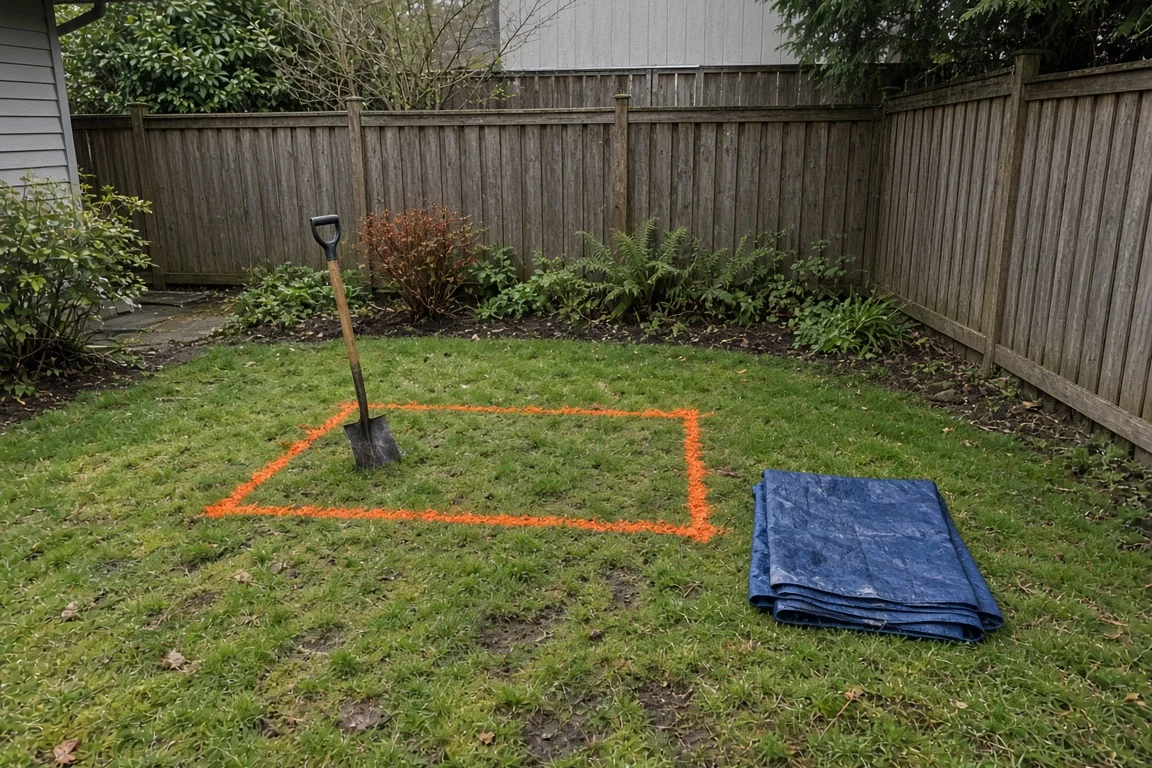
- One crack, break or offset joint in an otherwise sound pipe: a spot repair at the marked location usually makes more sense than replacing the whole line.
- A sag that holds water: it depends on how long and how low it is. A short, deep belly may need that section replaced. A mild one may just be worth watching.
- Several breaks, roots all along the line or a collapsed section: patching one spot at a time stops adding up. A larger sewer line repair is often the better long-term choice.
This is where seeing first really pays off. Cleaning a pipe that's broken only buys time. Replacing a whole line because one joint failed spends money the pipe didn't ask for. With footage in hand, both mistakes are easier to avoid.
Repair cost comes down to what the camera found and where it is. Depth matters, since a deeper pipe takes more digging. So does what sits on top. A spot under open lawn is simpler to reach than one under a driveway, patio or big tree. The length of the damaged section and the number of problem spots also change the size of the job. If the trouble sits near the street, ask who's responsible for that part of the line before work starts, since it isn't always the homeowner.
Before you say yes to any repair, it's fair to ask:
- Which spot on the video is causing my problem?
- Why this repair and not a smaller one?
- What happens if I wait a few months?
- Will you run the camera again after the repair to show it's fixed?
Not every finding is urgent. If the line is flowing and the camera shows minor buildup or a small root intrusion, you often have time to plan and budget. A collapsed section, repeat backups or a sewage smell inside is different. Those are worth fixing soon, before waste ends up in your home or yard.
We're licensed in Oregon under CCB License #257405, and we bring 20 years of hands-on plumbing experience to every job. Drain cleaning, camera inspection and sewer line repair all happen under one roof. That means the people who read your footage can also explain the fix and do the work, so your findings don't get handed off to someone starting over.
Root Intrusion and Older Pipe Problems
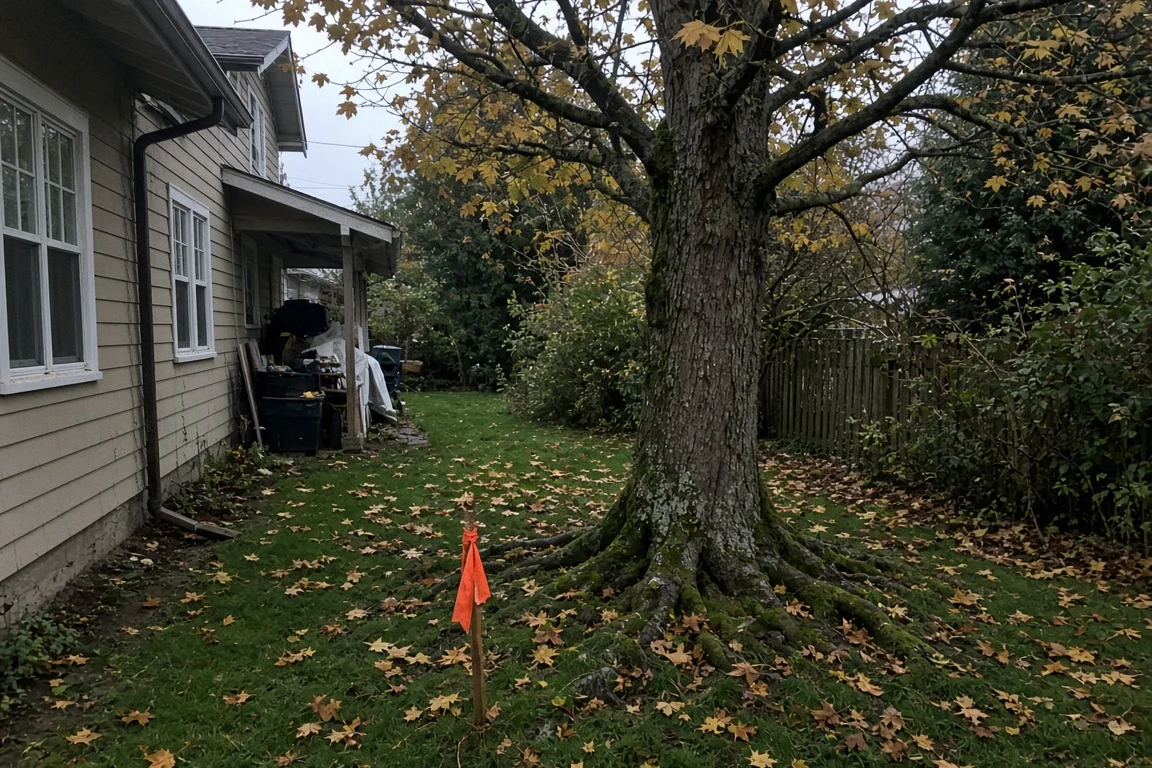
Roots and old pipe often go together. Tree roots don't break into a healthy, tight pipe out of nowhere. They find a weak spot, usually a joint or a small crack, where a little moisture and warmth leak out. Roots follow that moisture, slip in through the gap and keep growing inside the pipe. Over time they form a net that catches paper and waste, and that net is what keeps bringing your clog back.
That's why the age and material of your sewer line matter so much. Older lines were often built from materials with more joints or materials that wear down over decades. Each one fails in its own way:
- Clay pipe: laid in short sections, so there's a joint every few feet. Those joints are the easiest way in for roots.
- Cast iron: strong, but it can rust from the inside. Rough, flaky walls catch debris, and thin spots can crack.
- Fiber pipe (sometimes called Orangeburg): an older material made from pressed fiber and tar. It can soften, flatten or lose its round shape with age.
- Older plastic with poorly sealed joints: newer than the others, but a joint that wasn't sealed well can still let roots or water through.
Most people don't know what their sewer line is made of, and that's fine. It's buried, and it may have been patched or partly replaced by past owners. A camera inspection answers that question too. Seeing the material, the condition of the joints and how the pipe has aged tells you whether you're dealing with one problem spot or a line that's wearing out along its whole length.
A few clues make roots or aging pipe more likely:
- Your home is older and you don't know if the sewer line was ever replaced.
- Large trees or big shrubs grow near the path the line takes to the street.
- Drain cleanings help for a while, then the same slowdown comes back.
- Past cleanings brought up roots, soil or bits of pipe.
None of these prove there's damage. A home can be old and still have a sound line, and a big tree doesn't mean roots are inside your pipe. But when two or three of these clues show up together, guessing gets risky. You could keep paying for cleanings that never reach the cause, or worry about a full replacement the pipe doesn't need.
Roots also tend to get worse slowly. A few thin strands at one joint can grow thicker over months, push the joint farther apart and let in more roots. That's why it helps to know early. Catching root intrusion while it's limited to one or two joints usually gives you more choices than finding it after the pipe has cracked or shifted.
If you call us about repeat clogs, it helps to share roughly how old your home is, whether there are large trees near the sewer line and what came out the last time a drain was cleared. Those details won't replace a look inside the pipe. They do help us explain what the camera is likely to show and which part of the line deserves the closest look.
Camera inspections are one of the drain and sewer options for Lake Oswego homes we offer, and you can book a sewer camera inspection before you pay for any repair.
Frequently Asked Questions
Common questions about Sewer camera inspection
How long does a sewer camera inspection take?
It depends mostly on access and line length, but a straightforward run with an easy cleanout goes faster than one without. A long line to the street, several bends, or a blockage that needs clearing first will add time. Ask about access to your line before you book so you know what to expect.
Do I need to be home during the inspection?
You don't have to be, but it helps if you can be there. Watching the screen as the camera moves through the line makes it much easier to understand a problem than hearing about it secondhand. If you can't stay, make sure the access point is easy to reach and no one runs water or flushes while the camera is in the line.
Can a camera inspection tell if my sewer line needs full replacement or just a spot repair?
Yes, that's exactly what the footage is for. A single crack or offset joint in an otherwise sound pipe usually points to a spot repair, while several breaks or roots running along the whole line often mean a larger repair makes more sense. The camera also marks where the problem sits, so depth and ground cover can factor into the decision.
What if the camera can't get through my sewer line?
A collapsed section or heavy blockage can stop the camera partway through the line. That's still useful information, since it shows roughly where the serious damage starts. In that case, the line often needs to be cleared or repaired at that point before the rest of the pipe can be inspected.
Ready to Get Started?
Call (971) 455-3804 now for a free estimate.
Call (971) 455-3804Open 7 AM to 11 PM, seven days a week.