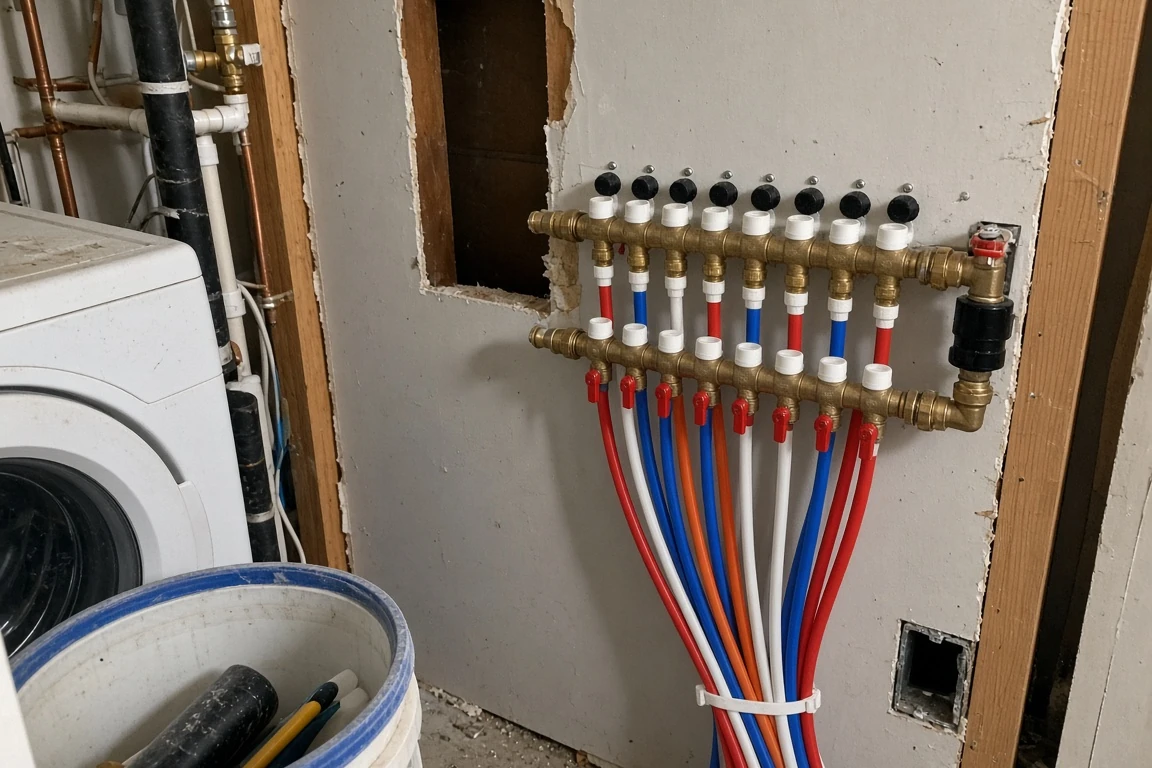
How to Tell If Your Pipes Need Full Replacement
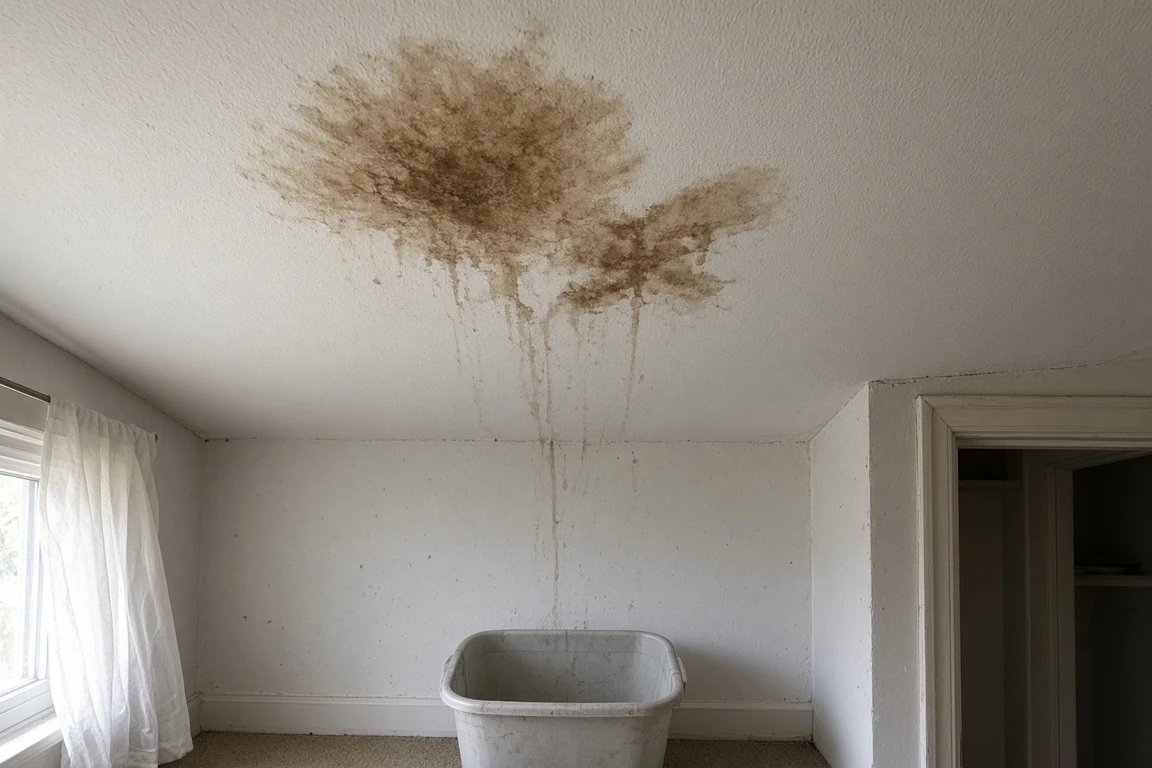
One leak doesn't mean your whole home needs new pipes. Repiping starts to make sense when problems keep showing up in different places, your water looks or tastes off at more than one tap, or your pipes are made of a material known to wear out from the inside. The pattern matters more than any single symptom.
The big question is simple. Is this one bad spot, or is the whole system getting old at the same time? A single cracked fitting under a sink is a repair. Three leaks in two years, each in a different room, tells a different story. When the pipes are failing all over, fixing them one at a time usually means paying for the same kind of visit again and again.
Here are the signs that point toward a whole-house problem instead of a one-time fix:
- Leaks keep coming back in new spots. Small pinhole leaks in copper, or drips at joints in different parts of the house, often mean the pipe walls are thinning everywhere.
- Your water comes out brown, orange or cloudy. If it clears after a few seconds and then shows up again later, rust may be building up inside the lines.
- Water pressure is weak at several fixtures, not just one. One slow faucet is often a clogged aerator. A whole house that feels weak can mean the inside of old pipes has narrowed with buildup.
- You can see rust, green crust or flaking on exposed pipes in the basement, crawl space or under sinks.
- Your water has a metal taste or smell that won't go away.
What your pipes are made of matters a lot. Galvanized steel pipes rust from the inside out, so they can look fine outside while the inside slowly closes up. Gray plastic polybutylene pipe was used in many homes for a time and has a reputation for failing without much warning. Older copper can hold up for a long time, but it can also develop pinhole leaks as it ages. If you're not sure what you have, look where the pipes come out of the wall under a sink or near your water heater. Gray, dull silver or rusty threaded pipe is worth having someone check.
There's an easy test you can try. Fill a white cup with cold water, then another with hot water. If only the hot water looks rusty, the trouble may be in your water heater, not your pipes. If both look off, the pipes themselves are more likely the cause. The same goes for pressure. If only one fixture is weak, it's probably a local problem we can handle with low water pressure repair. If it's the whole house, the pipes deserve a closer look.
You don't need to diagnose this alone. A plumber can usually tell a lot from the pipe material, the age of the home and where the leaks have been. If it turns out to be one weak spot, a plumbing leak repair may be all you need. If the signs line up across the house, that's when it's worth talking about repiping, before the next leak happens inside a wall or ceiling.
When a Repair Is Enough and Repiping Is Not
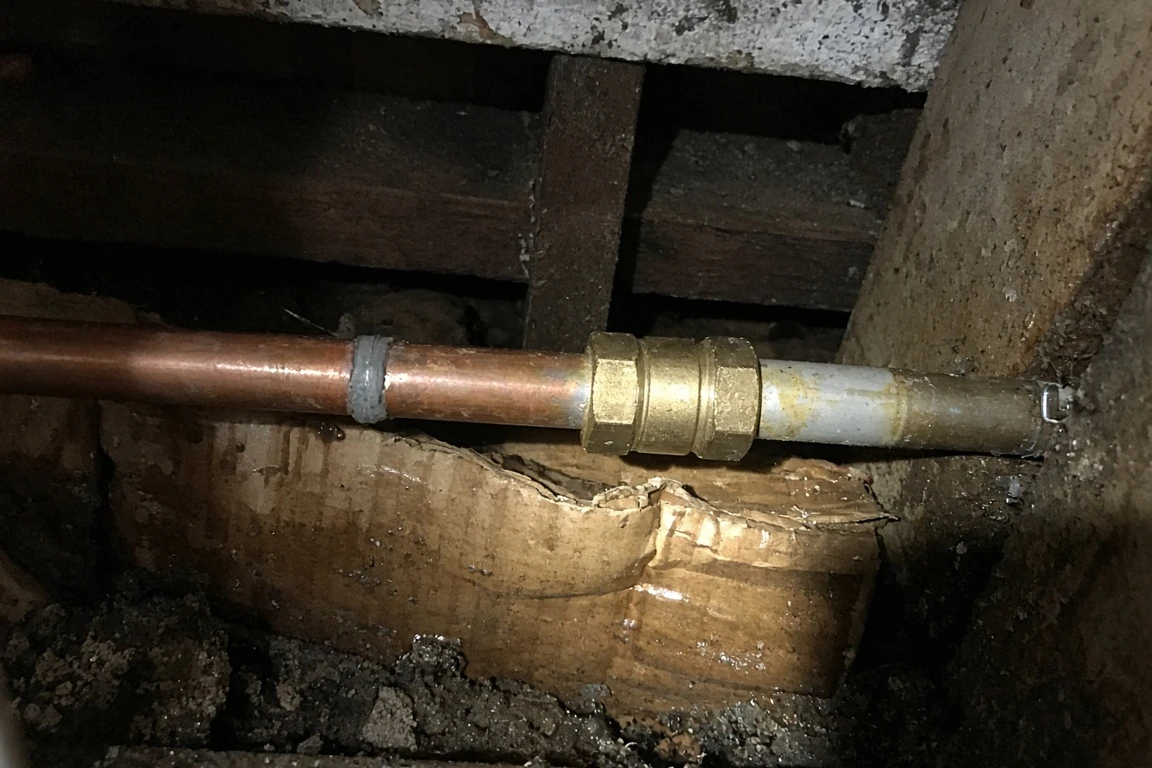
A repair is enough when the problem has a clear, local cause and the rest of your plumbing is in decent shape. If something specific broke the pipe, and it wasn't age wearing the whole system down, fixing that one spot is usually the smart move. You don't need new pipes everywhere because one section had a bad day.
Here are common cases where we'd point you toward a repair instead of repiping:
- A pipe split during a hard freeze. That's damage from cold, not a sign the whole system is failing. Fix the break and protect that run from the next cold snap.
- A nail or screw went through a line during a remodel or a picture hanging. That's one hole with an obvious cause.
- A single fitting or valve is dripping. Joints and shutoff valves wear out on their own schedule, and swapping one out is a small job.
- The leak is in one fixture. A running toilet or a dripping faucet is a fixture problem, and toilet repair or faucet repair takes care of it.
- The trouble is outside the house. A leak in the line from the street to your home is handled with water line repair, which doesn't touch the pipes inside your walls.
- The water heater is the source. Rusty hot water only, or a leak at the tank, points to water heater repair, not your supply lines.
There's also a middle ground that doesn't get talked about enough. If one part of the house has older pipe and the rest has already been updated, replacing just that section can make more sense than redoing everything. This comes up a lot in homes that were added onto or partly remodeled over the years. A kitchen might have newer lines while a back bathroom still runs on the original pipe. Fixing the weak section and leaving the good pipe alone is a fair answer.
Sometimes the right answer is to wait. If you've had one leak in many years, your water looks clean at every tap, and your pressure is steady, there's no reason to rush into a big project. Get the leak fixed, then keep an eye on things. Check under sinks and around the water heater now and then for drips, stains or crusty buildup. Watch your water bill for jumps you can't explain. If nothing new shows up, your pipes may have plenty of life left.
Waiting can also make sense if you're planning a remodel soon. When walls and floors are already open, replacing pipe at the same time is often easier than doing it as a separate job later. A repair can bridge that gap.
What a repair won't do is reset the clock on pipes that are wearing out everywhere at once. If the signs above keep stacking up, patching them one by one just spreads the cost of repiping over a string of service calls, and each leak is a chance for water damage. But if your situation looks like the cases listed here, a solid repair is the honest answer, and it's the one we'll give you.
What Happens During a Repipe
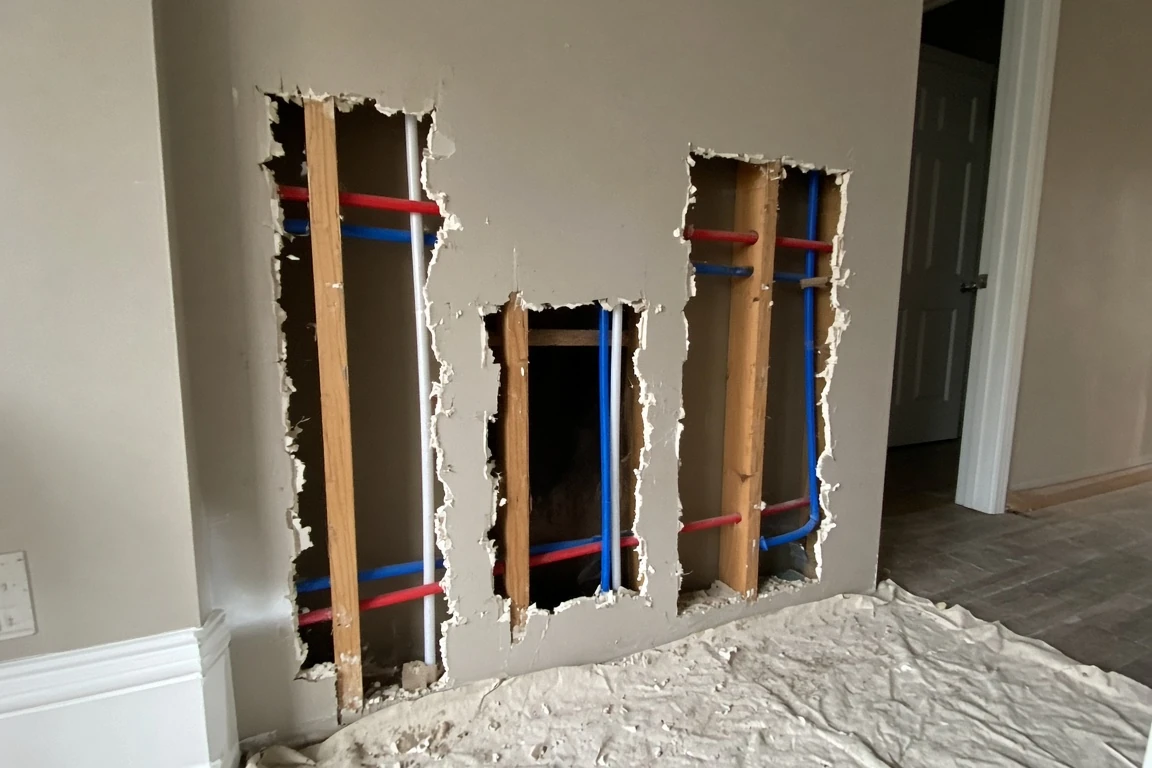
A repipe is a bigger job than a repair, but it's not as messy as most people picture. Your home doesn't get gutted. New water lines go in, they get tested, they get connected to your fixtures, and the old pipes are taken out of service. Knowing the steps ahead of time makes it much easier to plan around.
It starts with a plan. Before any work begins, a plumber looks at where your current pipes run, how many fixtures you have, how you get into the crawl space, basement or attic, and what pipe material will go in. This walkthrough is also where the quote comes from. A one-story home with an open crawl space is a very different job from a two-story home where every line runs through finished walls.
Here's how a typical repipe moves along once work begins:
- Getting the house ready. You'll want to clear the space under sinks, empty a few closets near plumbing walls and move furniture away from the work areas. Floors and belongings near the openings should be covered.
- Shutting off the water. The water has to be off while lines are being cut and connected. On many multi-day jobs, the work is planned so you have water back by evening, but this depends on the house, so ask about it up front.
- Opening small access points. New pipe is usually fished through walls and ceilings using small, targeted holes instead of long cuts. Homes with good crawl space or basement access often need fewer openings.
- Running and connecting the new lines. New pipe is run to each fixture and to the water heater, then tied into your main supply. Old pipe is often left in place inside walls once it's cut off, since pulling it out would mean opening much more drywall.
- Testing for leaks. The new system is pressure tested to make sure every joint holds before anything gets closed up. The lines are then flushed so you're not getting debris in your first glass of water.
- Inspection. Work like this typically needs a plumbing permit and a sign-off from the local building department before walls are closed.
- Patching. The access holes get closed once the inspection passes.
How long does it take? It depends on the size of the home, the number of bathrooms and how hard the pipes are to reach. Many single-family homes take a few days from start to finish, plus whatever time the inspection and patching add. A small condo or a partial repipe of one section can be much quicker.
That last point matters more than it seems. The biggest frustration on a repipe usually isn't the plumbing. It's finding out halfway through that something you assumed was included wasn't. A repipe should leave you with pipes you don't have to think about for a long time, with no loose ends.
Permits and Licensing Requirements for Repiping in Lake Oswego
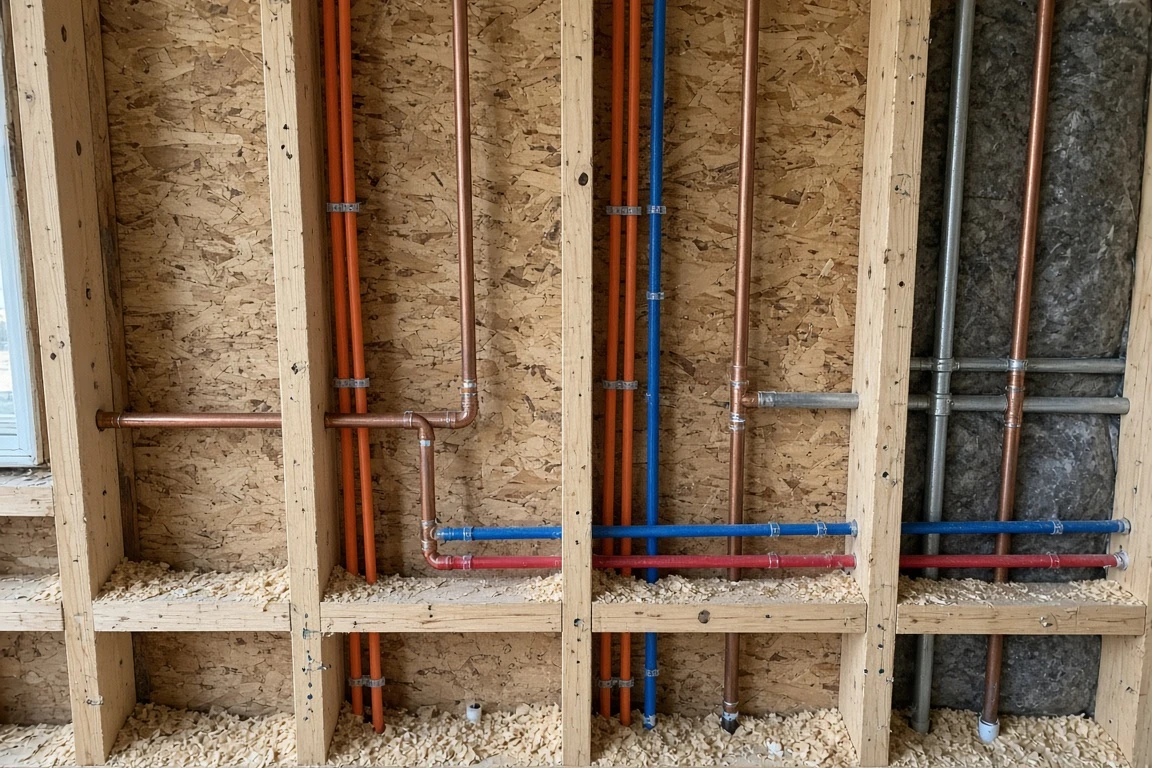
A whole-house repipe in Lake Oswego should be done with a plumbing permit and inspected by the city before the walls are closed. It also should be done by someone who's properly registered and licensed in Oregon. Those two things protect you more than most people realize, and both are easy to check before any work starts.
Why does the permit matter so much? Once new pipe is behind drywall, nobody can see how it was run or joined. The inspection is your one chance to have a person who doesn't work for the plumber look at the new lines while they're still open. That review happens before patching for a reason. If something needs to change, it's a quick fix, not a torn-up wall.
A permit also leaves a record. That record can matter later in ways that have nothing to do with the plumbing itself:
- Selling your home. Buyers and their inspectors often ask about big updates. A permitted, inspected repipe is something you can point to. Unpermitted work can raise questions or slow down a sale.
- Insurance claims. If water damage ever happens, being able to show the work was permitted and passed inspection can help when you file a claim.
- Peace of mind. You'll know the job met the local code at the time it was done, not just that it looked fine on the last day.
In most cases, the contractor doing the work pulls the permit and sets up the inspection. That should be part of the plan, not something you find out about later. If a quote doesn't mention the permit at all, ask. If someone suggests skipping it to save time or money, that's a sign to keep looking.
Licensing is the other half. In Oregon, contractors who work on homes need to be registered with the Construction Contractors Board, and you can look up any contractor's number on the board's website to see if it's active. Our Oregon CCB License number is 257405, and we're glad to share it with you before you decide anything. Plumbing work in Oregon also calls for trade licensing, so it's fair to ask who will be doing the pipe work in your home and what license they hold.
Here are a few plain questions worth asking any plumber before a repipe:
- Will you pull the permit, and is the cost of it in the quote?
- When will the inspection happen, and who needs to be home for it?
- What's your CCB number, and who on site holds the plumbing license?
- If the inspector asks for a change, how is that handled?
None of this should feel awkward to ask. A plumber who does repiping the right way will have quick, clear answers. With 20 years of hands-on plumbing experience behind our work, we'd rather you ask every one of these questions up front than wonder about them after the walls are closed.
What Drives the Cost of a Repipe
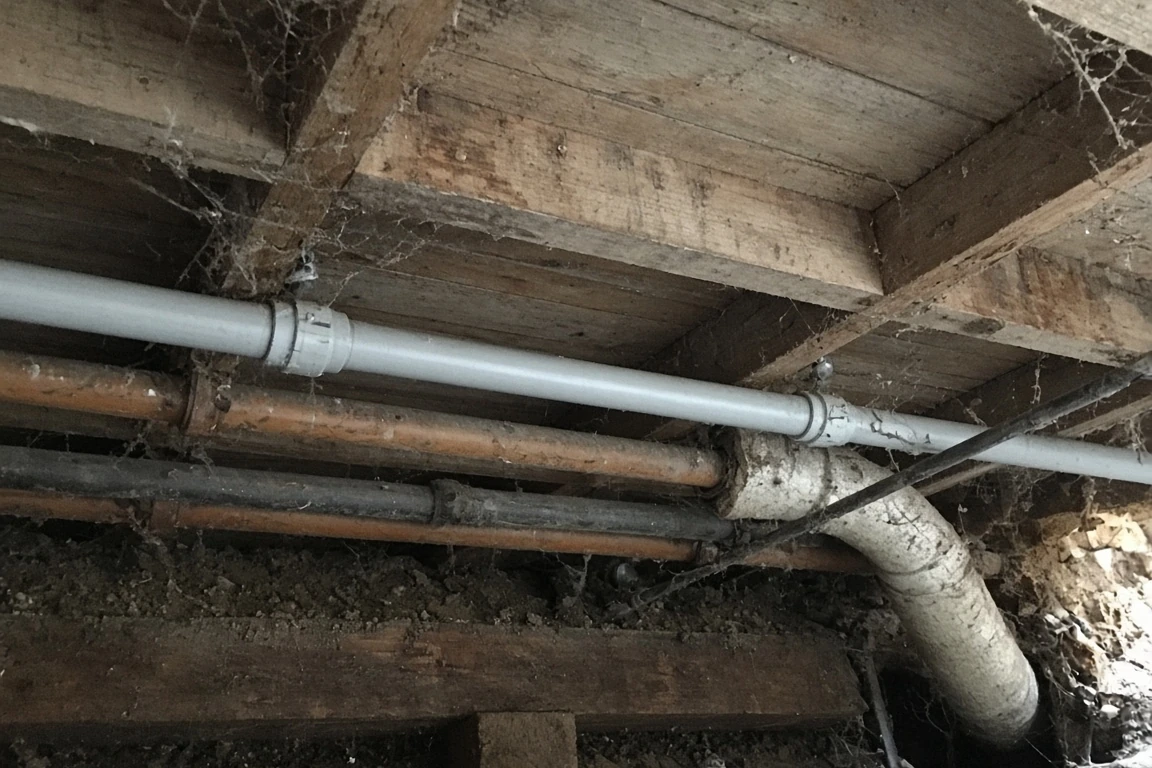
No two repipes cost the same, because no two houses hide their pipes the same way. The price mostly comes down to how much pipe goes in, how hard it is to reach, and what's included beyond the pipe itself. Once you know those pieces, a quote stops feeling like a mystery number and starts making sense.
These are the main things that push a repipe quote up or down:
- Size of the home and number of fixtures. Every sink, toilet, tub, shower, hose bib and appliance hookup needs its own line. A home with three bathrooms and a laundry room needs a lot more pipe and labor than a two-bedroom home with one bath.
- Number of stories. Lines that run up to a second floor have to travel through more walls and ceilings, which takes more time and more openings.
- Access. A roomy crawl space or unfinished basement lets pipe run underneath with little wall work. Finished basements, slab floors and tight attics make the job slower.
- Pipe material. Flexible plastic pipe and copper are both common choices. They differ in material cost and in how much labor it takes to install them, so the material you pick changes the total.
- Full or partial job. Replacing one problem section costs less than redoing the whole house, as long as the rest of your pipe is in good shape.
- Valves and connections. New shutoff valves under sinks and toilets, a new main shutoff, or updated water heater connections all add to the scope.
- Wall repair. Some quotes include patching and painting. Others stop at closing the hole, and some leave it to you.
- Permit and inspection fees. These are a real part of the cost, which is why it's worth confirming they're in the quote.
Repipes are usually priced one of two ways. A fixed bid gives you one price for a defined scope after the house has been looked over. Time and materials means you pay for the hours and parts the job takes. A fixed bid is easier to plan around. Either way, the written scope should list the fixtures being connected, the pipe material, the valves being replaced, and who handles wall repair. If two quotes look far apart, compare those lines first. The gap is often in what's included, not in the plumbing.
Some costs can't be known until the walls are open. An old fitting might crumble when it's touched, or a line might run somewhere no one expected. Ask how surprises like that are handled and whether you'll be told before any extra work begins.
It also helps to weigh the cost against what you're already paying. If the pipes are failing all over the house, every leak repair is money spent on pipe that's still wearing out. Water damage inside a wall or ceiling can cost far more to fix than the leak that caused it. A repipe costs more up front, but it ends that cycle. A repair doesn't.
If you're seeing signs across your Lake Oswego home and want a clear answer about whether you need one repair, a partial repipe or new pipe throughout, give us a call. We'll look at what you have and walk you through what goes into the quote.
Repiping is part of the plumbing repair and installation in Lake Oswego that we handle, and you can talk with us about repiping if leaks keep showing up in new places.
Frequently Asked Questions
Common questions about Repiping
Will I be without water for the whole repipe job?
Not usually for the entire project. Water has to be shut off while lines are cut and connected, but on multi-day jobs the work is often planned so you have water back by evening. This depends on the size of your home and how many fixtures need new lines, so ask your plumber to walk through the schedule before work starts.
Can I stay in my house during a repipe?
Yes, most homeowners stay in their house during a repipe. You'll want to clear space under sinks and move furniture away from work areas first. Crews open small, targeted holes in walls and ceilings instead of large sections, so the disruption is more limited than people expect.
Do I need to worry about unpermitted plumbing work from a previous owner?
Yes, it's worth checking, especially if you're buying a home where renovations happened without permits. Unpermitted plumbing work has no inspection record, which means nobody confirmed the pipes were joined correctly before walls were closed. Ask the seller or your inspector whether any plumbing changes have a matching permit on file with the city.
Ready to Get Started?
Call (971) 455-3804 now for a free estimate.
Call (971) 455-3804Open 7 AM to 11 PM, seven days a week.