Low water pressure repair
Low Water Pressure Repair in Lake Oswego
4.9 ★ on Google (16 reviews)Open 7 AM to 11 PM, 7 days
Tell a Single Fixture Problem From a Whole-House Problem
Where the weak flow shows up tells you a lot about what's causing it. If only one tap or shower is slow, the problem is usually inside that fixture. If every tap is weak, or only the hot water is, the cause is further back in your plumbing and needs a different kind of fix.
Before anyone replaces a part, it helps to know how far the problem reaches. A few minutes of checking around your house can narrow it down a lot. It can also keep you from paying for a repair that doesn't touch the real cause.
Start by turning on each faucet and shower, one at a time. Try the cold side, then the hot side. Then ask yourself three questions.
- Is it just one fixture? If the bathroom sink is slow but the tub next to it runs fine, the water is reaching that room just fine. The trouble is in that fixture or the small valve under it.
- Is it only the hot water? If cold runs strong everywhere but hot is weak at every tap, look at the water heater and the pipes leaving it.
- Is it everything, hot and cold? If every tap in the house is weak, the problem sits where water enters your home, or in the main pipes that feed it.
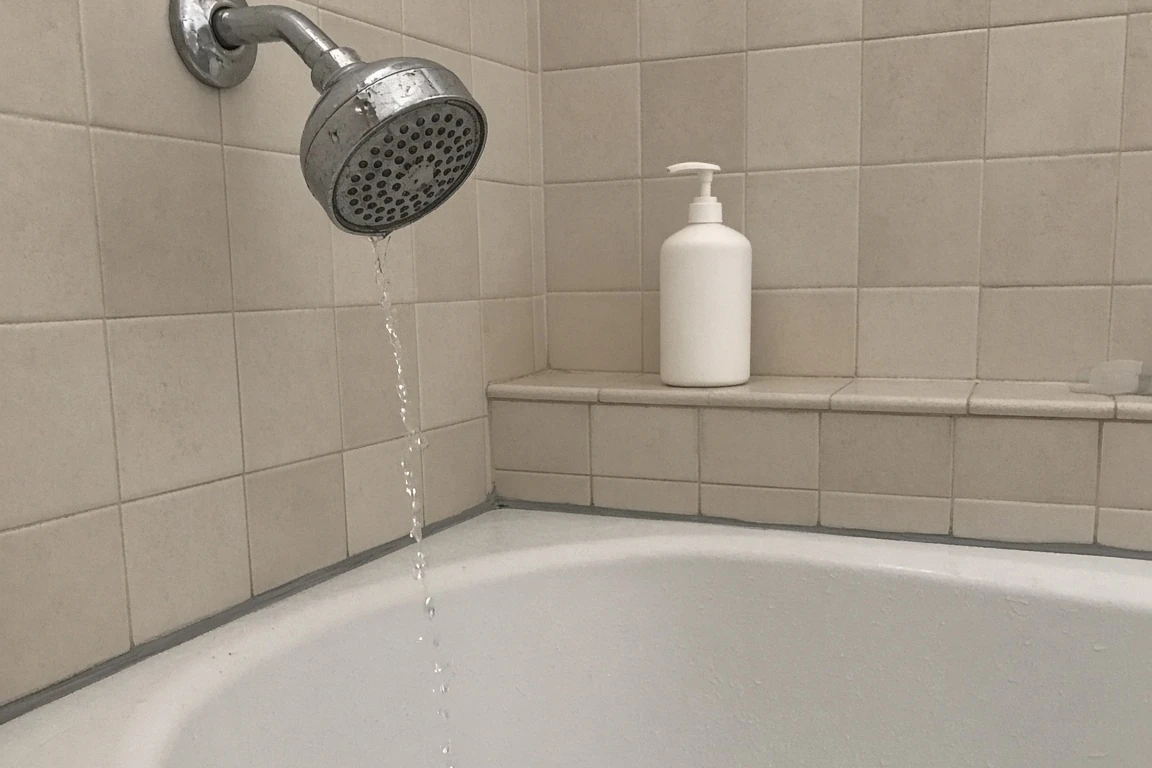
A single slow fixture is often the easiest fix. Faucets have a small screen at the tip, called an aerator, that can fill up with mineral grit. Showerheads clog the same way. The shutoff valve under a sink may also be partly closed, maybe from a past repair. Sometimes the part inside the faucet that controls flow wears out. Our faucet repair and shower repair pages cover those fixes in more detail.
Weak hot water only is a different story. Sediment can build up inside a tank water heater, and a valve near the heater may be partly closed or failing. If that's where the signs point, our water heater repair page explains what's involved.
A whole-house drop takes more digging, because several things can cause it. Your main shutoff valve might not be fully open. A pressure regulator, if your home has one, can wear out and start holding pressure too low. Older steel pipes can narrow on the inside over many years as rust and scale build up. A hidden leak between the meter and your house can also steal pressure before water reaches a tap. Our water line repair and repiping pages cover those bigger jobs.
Two more checks help here. First, ask a neighbor if their water seems weak too. If it does, the issue may be with the city supply and not your plumbing at all. Second, if you can safely see your water meter, turn off every tap in the house and watch it for a few minutes. If the meter still moves, water is going somewhere it shouldn't, and a leak becomes a real possibility.
None of these checks fix anything on their own. What they do is give you a clearer picture before you call, and they help us start in the right place. When you can tell us whether it's one fixture, the hot side, or the whole house, the visit tends to be more focused, and the conversation about cost gets simpler too.
Know When a Weak Fixture Is a Quick Fix You Can Try First
If your check showed that only one faucet or shower is weak, you may not need us at all. A lot of single fixture problems come down to buildup you can clear yourself in about 15 minutes, with tools you already have. It's worth trying before you book anyone, and we'd tell you the same thing on the phone.
Here's what to try, in this order:
- Take off the aerator. Unscrew the tip of the faucet by hand. If it's stuck, wrap it in a cloth and use pliers gently so you don't scratch the finish. Rinse out any grit, and soak it in white vinegar for an hour if it's crusty with white or tan scale.
- Run the faucet with the aerator off. If the water suddenly comes out strong, you've found the problem. Clean the aerator or buy a new one that matches the size of the old one. Hardware stores carry them, and they don't cost much.
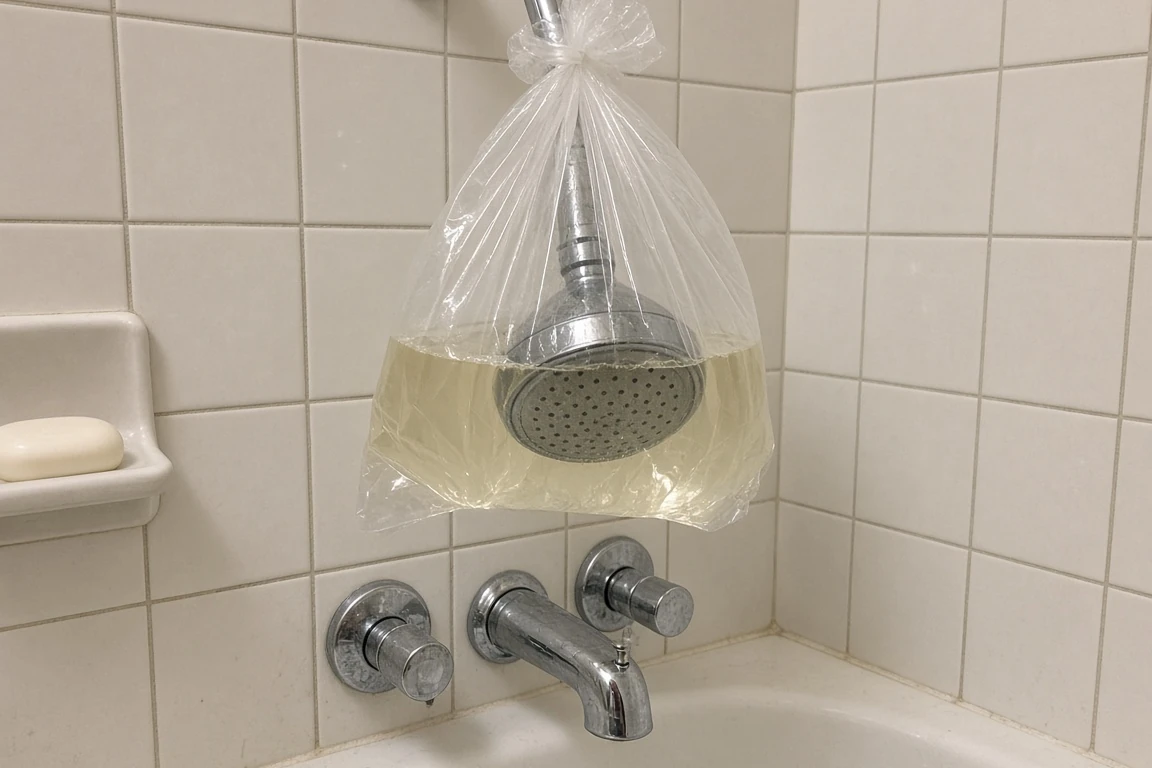
- Soak the showerhead. Fill a plastic bag with white vinegar, slip it over the head, and hold it in place with a rubber band overnight. In the morning, scrub the little holes with an old toothbrush and run the water for a minute.
- Open the valve under the sink. Turn it counterclockwise slowly until it stops. If it turns easily and the flow gets better, you're done. If it won't budge, leave it alone. Old valves can snap or start leaking when they're forced.
If one of those steps brings your water back, that's the whole repair. There's no reason to pay for a visit to clean a part you just cleaned yourself.
Sometimes the quick fix doesn't hold, though, or it doesn't help at all. These signs mean the problem goes deeper than buildup at the tip:
- The flow is still weak even with the aerator off. That points inside the faucet body or the line feeding it.
- The aerator clogs again within days. Grit that keeps showing up is coming from somewhere upstream, like old pipes or a water heater.
- The shutoff valve is stuck, drips, or feels loose when you turn it.
- The faucet drips, or the handle feels stiff or gritty. The part inside that controls flow may be worn out.
- A clean showerhead is still weak on both hot and cold. The valve behind the wall may be the issue, not the head.
Even when the easy fix fails, your time wasn't wasted. You've ruled out the simplest cause, and that tells us where to look first. It also keeps you from paying someone to unscrew an aerator before they get to the real problem.
One more thing to keep in mind. If you clean a fixture and later notice other taps getting weak too, go back to the whole house checks above. A single slow fixture that turns into two or three is a different problem, and it's better to catch that early.
Recognize Signs That Mean Call Today, Not Later
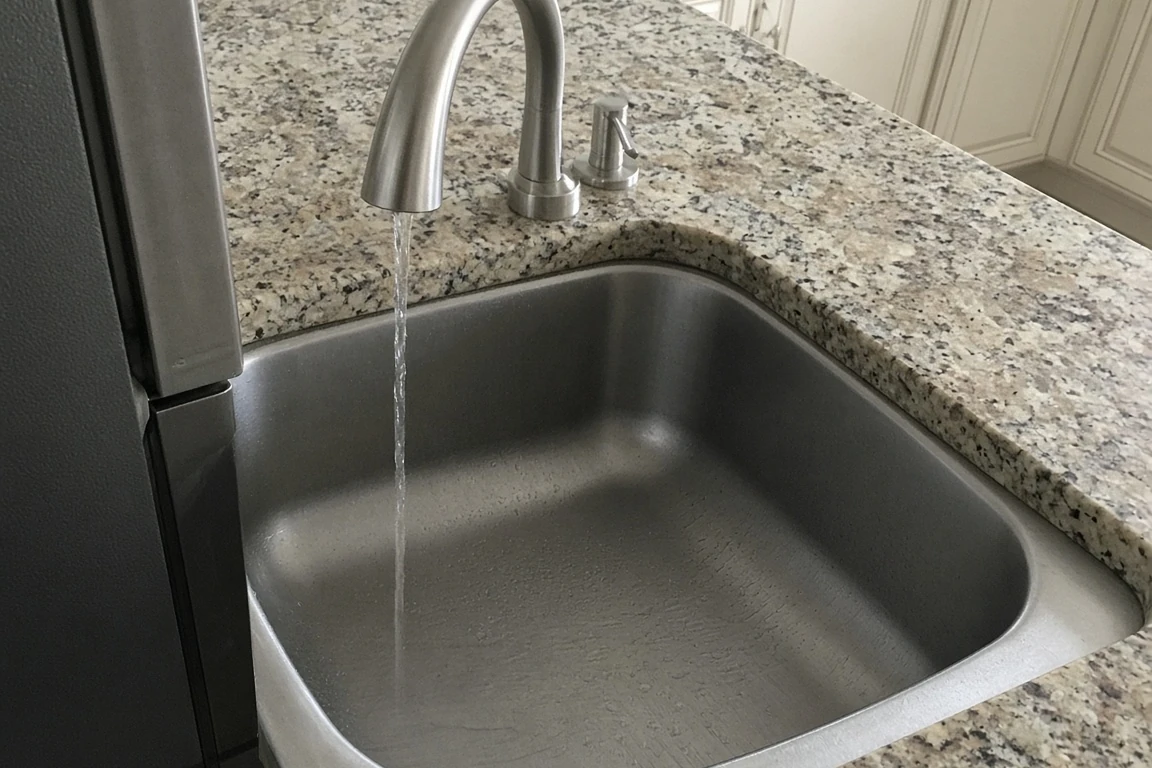
Most weak water is a nuisance, not an emergency. A shower that's lost some punch over a few months can wait for a time that suits you. But low pressure is sometimes the first sign of water going where it shouldn't. When that happens, every hour you wait can mean more water in your walls, floors or yard.
The key question is whether the drop came on slowly or all at once, and whether anything else seems wrong. Call the same day if you notice any of these:
- Pressure dropped suddenly across the whole house, and your neighbors' water seems fine.
- Your water meter keeps moving with every tap off, as described in the checks above.
- You hear hissing or running water when nothing's turned on, often behind a wall or under a floor.
- A soggy patch, sinking spot or extra-green strip shows up in the yard between the meter and your house.
- There's a new stain, bubbling paint or a damp smell on a wall or ceiling.
- A spot on the floor feels warm, which can point to a hot water line leaking under a slab.
- Your water bill jumped and your water use didn't change.
- Hot water is weak and the water heater is leaking, making odd noises, or not heating at all.
- Water comes out brown, rusty or sputtering with air after being clear before.
Any one of these, paired with weak pressure, suggests a leak or failing part, not simple buildup. A leak in the main water line can waste a lot of water before it's ever visible. A slab leak can soak flooring and the ground beneath your home. A failing water heater can turn into a flooded room. Catching these early usually means a smaller repair and less cleanup.
If water is spraying or pooling inside, find your main shutoff and close it if you can do so safely. That stops the water while you call. It's worth knowing where that valve is now, before you ever need it.
Here's what can usually wait for a regular appointment: a slow, steady decline over weeks or months, weak flow at one or two fixtures after the quick fixes didn't help, or pressure that's low but hasn't changed in a long time. These still deserve a look, because slow drops can come from aging pipes or a worn pressure regulator. They just don't need to bump your evening plans.
If you're not sure which group you're in, tell us what you're seeing when you call. Mention when it started, whether it's hot, cold or both, and anything you found during your checks. That helps us talk through whether it's urgent before anyone comes out.
Our emergency plumbing service covers major leaks, burst pipes and water heater failures in Lake Oswego, and it's available 7 AM to 11 PM, seven days a week. Holiday hours may differ.
What Happens During a Low Water Pressure Diagnosis
A good diagnosis answers one question before anything gets replaced: where is the water losing its push? Low pressure is a symptom, not a cause. The fix for a worn regulator is different from the fix for a hidden leak or a pipe that's narrowed inside, so the checking has to come first.
It starts with what you already know. If you've done the checks above, share what you found: which taps are weak, hot or cold or both, when it started, and what the meter did. That can save time and point the search in the right direction from the start.
From there, a thorough diagnosis usually works through a few steps:
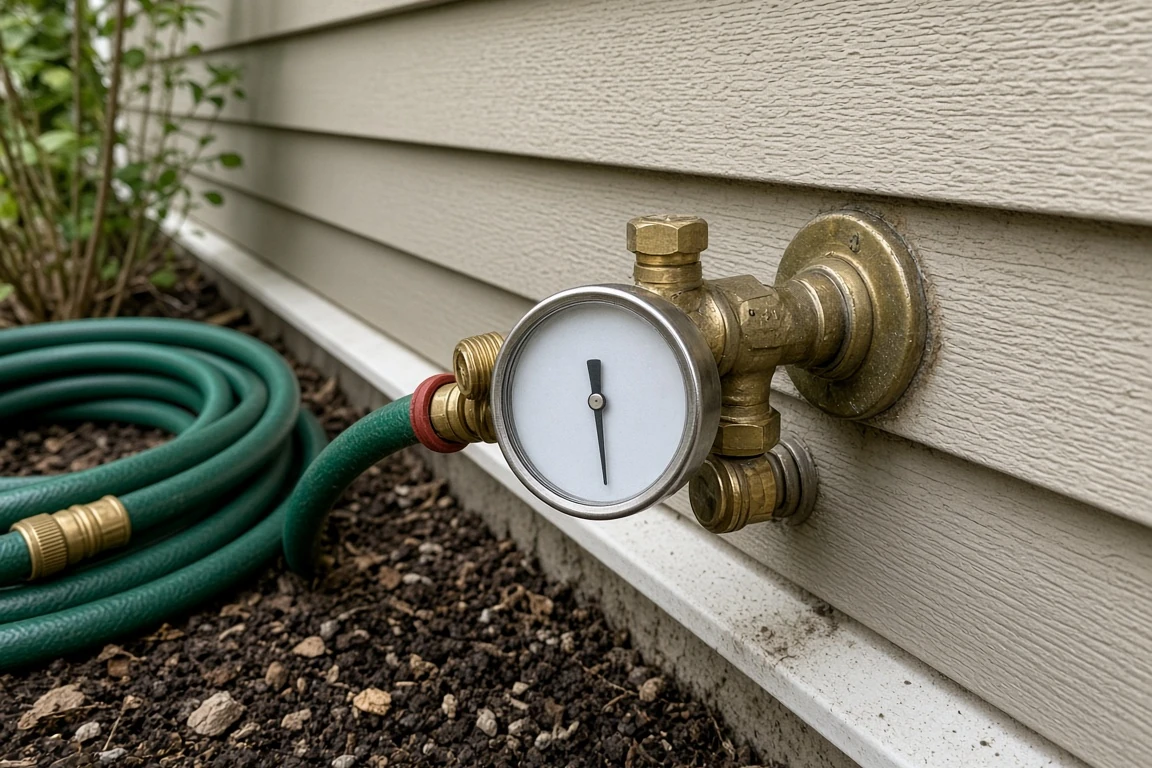
- Measuring the pressure. A plumber can screw a pressure gauge onto an outside faucet or a laundry hookup and read how much pressure is coming into the house. That turns "it feels weak" into a real number to work from.
- Comparing pressure to flow. Sometimes the pressure reading looks fine, but very little water comes out of the taps. That usually means something is blocking the water inside the pipes or fixtures. It doesn't mean the supply is too low.
- Checking the valves. The main shutoff and any pressure regulator near where the water comes in get a close look. A valve that's partly closed or a regulator that's worn out can make the whole house feel weak.
- Looking at the pipes. The type and age of the pipe matter. Older steel pipe can build up rust inside over the years, while newer copper or plastic lines usually don't narrow that way.
- Testing for leaks. If anything suggests water is escaping, the next step is finding where. That may mean checking the line from the meter to the house, or looking for signs of a leak under a slab.
Not every visit needs every step. If the problem is clearly limited to one shower valve, there's no reason to test the main line. If the whole house is weak, the search starts where the water comes in and moves inward.
What should you have when it's done? A plain explanation of what's causing the problem and how sure the plumber is about it. You should also get your options, if there's more than one, and what each one costs before any work begins. Sometimes the honest answer is that more checking is needed, like testing for a hidden leak. If so, you should hear why and what that extra step involves.
That's the kind of conversation we aim for. One of our reviewers put it this way: "They explain the problem and the cost before starting, with no surprise charges on the final bill." That's one customer's experience, not a promise about every job. But it's the standard we think you should expect from anyone working on your plumbing.
A few questions are worth asking any plumber before you approve a repair. What exactly did you find? Is there a cheaper option that would fix it? Will this repair solve the pressure problem, or only part of it? It's also fair to ask for a license number. Ours is Oregon CCB License #257405, and our team brings 20 years of hands-on plumbing experience to sorting out problems like this one.
Understand What Drives the Cost of a Pressure Repair Up or Down
There's no single price for fixing low water pressure, because low pressure isn't one problem. The cost depends on what the diagnosis finds and how hard it is to reach. A clogged valve and a leaking line under your floor both make the water feel weak, but they're very different jobs.
Most of the cost comes down to the cause. Roughly from smaller to bigger, the fixes look like this:
- Opening, freeing or replacing a stuck shutoff valve. This is usually a short job with an inexpensive part.
- Replacing a worn part inside a faucet or shower valve. The part matters, but the time it takes to get to it matters too.
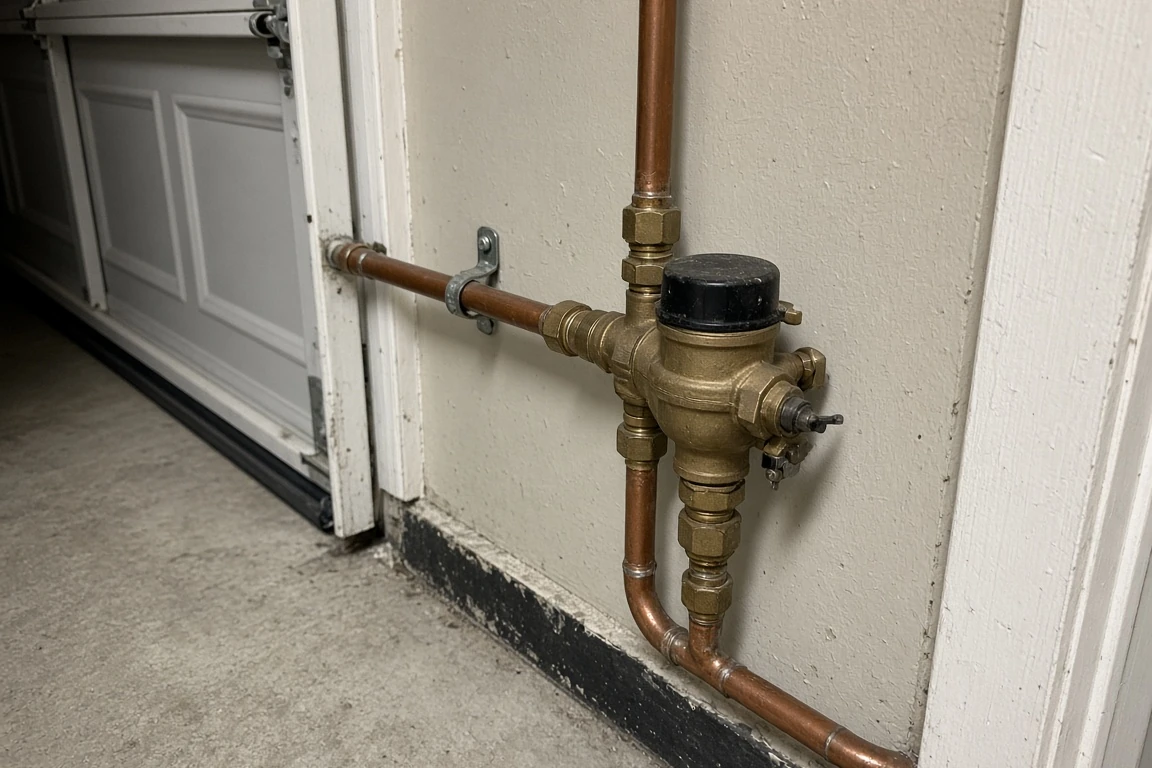
- Adjusting or replacing a pressure regulator. Parts and labor are both modest, but the water has to be shut off while the work is done.
- Finding and repairing a leak. Cost rises when the leak is hidden, because locating it takes time before any repair starts.
- Replacing sections of old, narrowed pipe, or repiping the house. This is the largest job, since it can touch walls, ceilings and floors.
Access is the next big factor. A valve under a sink is easy to reach. A pipe behind finished drywall, a supply line buried in the yard, or a leak under a concrete slab takes more labor, and sometimes patching afterward. Ask whether a quote includes closing up walls or fixing a dug-up lawn, or whether that's left to you.
How much of the house is involved matters too. Fixing one bad stretch of pipe costs less than replacing every line. Pipe material plays a part. Older steel pipe is harder to work with and more likely to need more than a spot repair, while copper and plastic lines are often simpler to patch.
Some bigger jobs, like replacing a main water line or repiping, may need a permit and an inspection. That adds a fee and some time. Your plumber should tell you up front if your job needs one.
It also helps to know how plumbers in general set prices. Some charge a flat rate for a defined job. Others charge by the hour plus parts. Many charge a separate fee for the diagnosis, and some apply it toward the repair. None of these is right or wrong, but you should know which one you're agreeing to before work starts.
Beyond the questions about what was found and whether there's a cheaper option, these are worth asking:
- Is this a flat price or an hourly estimate?
- Is there a charge for the diagnosis, and does it count toward the repair?
- What happens to the price if you open the wall and find more than expected?
- Does the quote include cleanup, patching and any permit fees?
The cheapest repair isn't always the best value. Replacing a regulator on a house full of badly scaled steel pipe might help for a while, but it won't fix the narrowed pipes. A clear diagnosis is what lets you pay for the fix that brings your pressure back.
Pressure problems are a common call for a plumber serving Lake Oswego homes, and when the quick fixes do not help you can set up a water pressure check.
Frequently Asked Questions
Common questions about Low water pressure repair
Is 100 psi of water pressure normal for my house?
No, 100 psi is too high for a home. Most houses run best between 40 and 60 psi. Pressure above 80 psi can wear out faucets, valves, and water heater parts faster than normal. If your home has a pressure regulator, a reading that high usually means the regulator has failed and needs attention.
Can I fix low water pressure myself before calling a plumber?
Yes, for a single weak fixture, you often can. Try removing and cleaning the faucet aerator or soaking a clogged showerhead in vinegar overnight, then checking if the shutoff valve under the sink is fully open. These simple steps fix a lot of single-fixture problems in about 15 minutes. If the flow is still weak afterward, or every tap in the house is affected, the cause is further back in your plumbing and worth a call.
Ready to Get Started?
Call (971) 455-3804 now for a free estimate.
Call (971) 455-3804Open 7 AM to 11 PM, seven days a week.