Gas line installation
Gas Line Installation in Lake Oswego
4.9 ★ on Google (16 reviews)Open 7 AM to 11 PM, 7 days
What Gas Line Installation Covers
Gas line installation is more than running a pipe from point A to point B. A complete job includes sizing the line for every appliance on it, routing it safely, adding a shutoff at each appliance, testing for leaks, and getting the work permitted and inspected. Knowing these pieces helps you read a quote and spot one that's missing something.
Gas line installation means adding new gas piping, or extending what you already have, so a gas appliance can run safely in your home. Our team offers it for homeowners across Lake Oswego. The pipe you can see is only part of the job. A safe install depends on the steps behind it.
Most requests start with one new appliance. Here are the common ones:
- Switching from an electric range or cooktop to gas
- Adding a gas dryer in a laundry room that only had electric
- A gas fireplace or insert for the cool, wet months
- A gas water heater, including a tankless model
- An outdoor grill, fire pit or patio heater on a permanent line
- Moving an existing gas line during a kitchen or basement remodel
First comes sizing. Every gas appliance needs a certain amount of fuel, and the line has to carry enough for everything connected to it. That depends on how much each appliance uses, how many share the line, and how far the gas has to travel. If the pipe is too small, a new fireplace can starve the furnace when both run at once. Sometimes the right answer is a new branch line instead of tapping into the closest pipe.
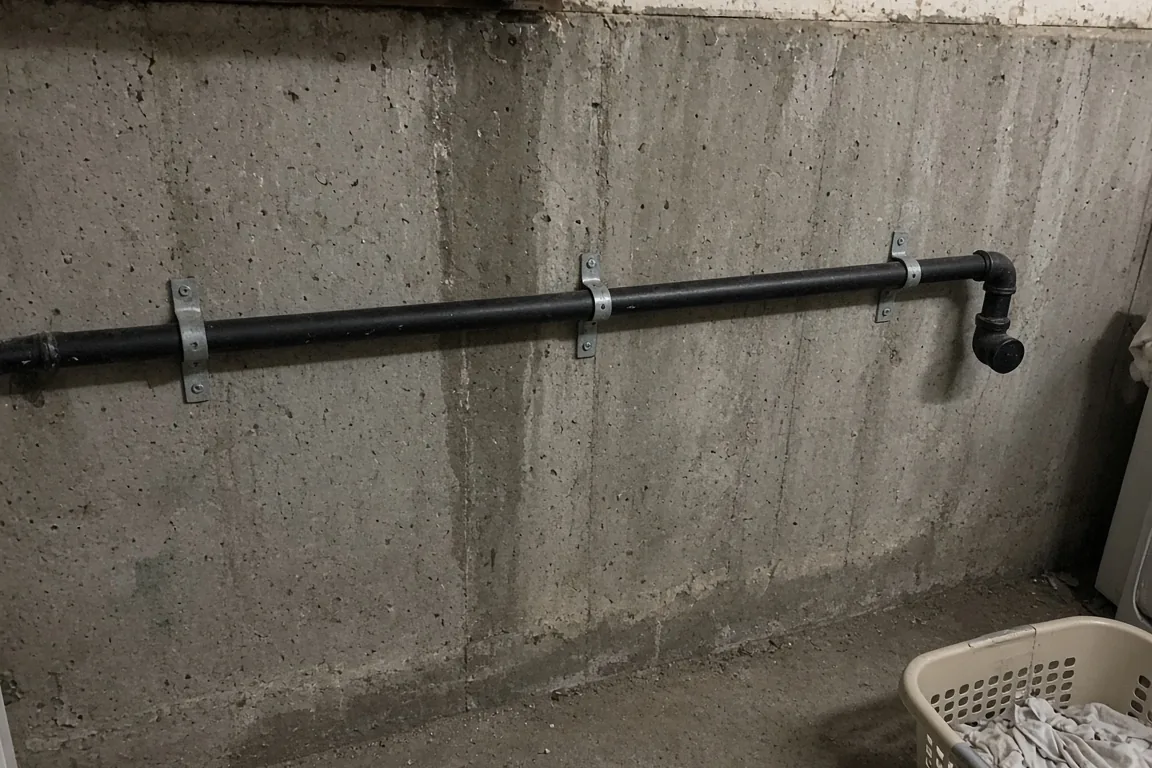
Next is routing. The line may run through a crawl space, a basement, inside walls or underground to a patio. The pipe material changes with the route. Rigid steel pipe, flexible tubing that needs proper bonding, and plastic pipe made for buried runs each have their place. Outdoor runs often take the most planning, because the line has to be buried and protected along the way.
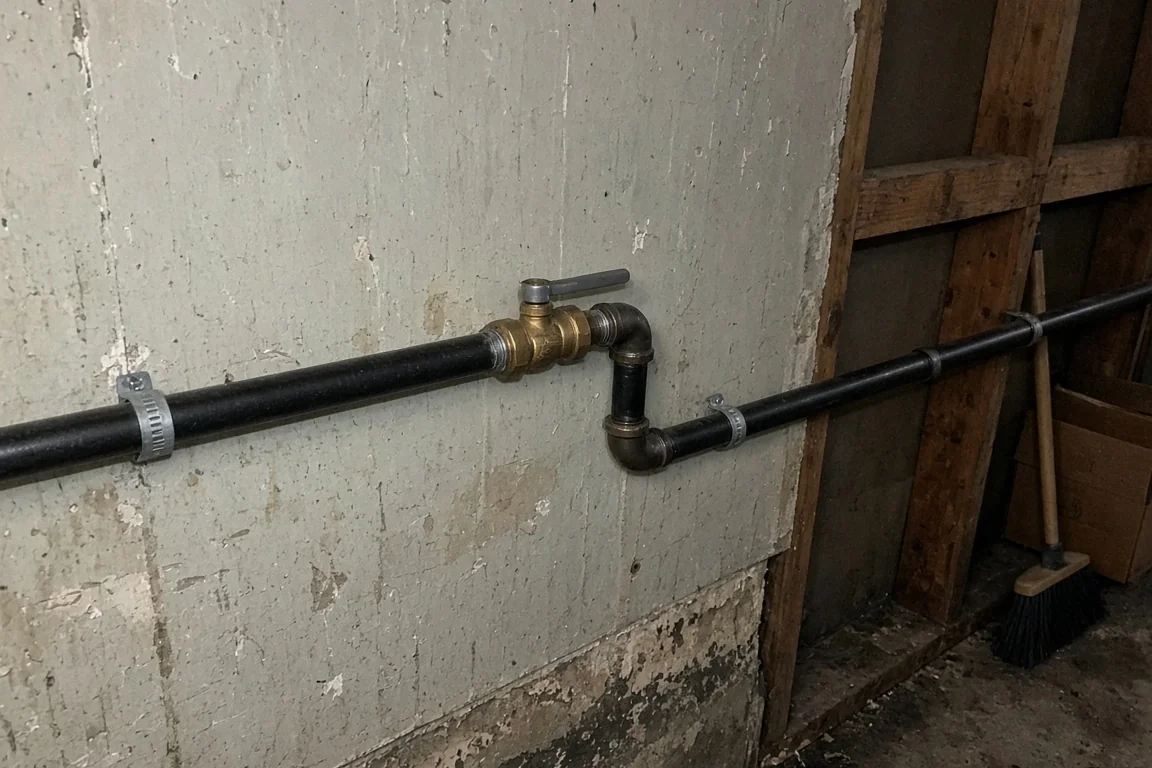
Each appliance should get its own shutoff valve, so you can turn off gas to one appliance without shutting down the whole house. Many hookups also include a short drip leg that catches debris before it reaches the appliance.
Before the gas goes on, the new piping is pressure tested to make sure it holds without leaking. Most gas line work also needs a permit and an inspection through the local building department. That step gives you an independent check, and it can matter later when you sell the house or file an insurance claim.
One part sits outside a plumber's control. If your new appliances push the total gas use past what your meter can supply, NW Natural, the gas utility serving Lake Oswego, may need to upgrade the meter. It's worth asking about this early, since it can affect your timeline.
When you compare quotes, check whether each one includes sizing, every shutoff valve, the pressure test, the permit and the final hookup to the appliance. A low number that leaves out one of these usually isn't the same job. We'll explain the scope in plain terms, so you know what's included before any work starts.
Why Licensing and Permits Matter for Gas Work
Most of what makes a gas line safe ends up out of sight. You can't see the sizing math, and you can't tell by looking whether every joint was tested. Once a wall is closed or a trench is filled, you're trusting the person who did the work. That's why licensing and permits matter so much more for gas than for something like a new faucet. They're how you know the hidden steps happened.
A small mistake with water usually means a drip and a repair. A small mistake with gas can mean a leak inside a wall, or an appliance that doesn't burn its fuel the way it should. Neither one always gives you a clear warning. The goal is to get it right the first time and have someone outside the job confirm it.
In Oregon, contractors are licensed through the Construction Contractors Board, known as the CCB. A CCB license number means the business is registered with the state, and it gives you a way to look it up before you hire anyone. Our CCB license number is 257405, and our team brings 20 years of hands-on plumbing experience to gas line work. Ask any company you're considering for its number and check it yourself. A good contractor won't mind.
The permit is the other half. Most gas line work needs one, and the inspection gives you an independent check. What matters here is whose name is on it. When a licensed contractor pulls the permit, that contractor is on record as responsible for the work. If someone offers to skip the permit to save time or money, the job you get isn't the same job, even if the pipe looks identical.
Picture someone buying a home in Lake Oswego with a gas line running out to a backyard fire pit. The line works fine, but there's no permit on file for it. Now the buyer has questions, the inspector has questions, and nobody can say how that line was sized or whether it was ever pressure tested. Proving that later is much harder than doing it right at the start.
Before you hire anyone for gas work, these questions will tell you a lot:
- What's your CCB license number?
- Who pulls the permit, and is the permit fee part of the quote?
- Is the pressure test done before the inspection?
- What happens if the inspector asks for a change?
- Will you hook up the appliance, or only run the line to it?
Clear, direct answers are a good sign. If a contractor gets vague about the permit or the license, that tells you something too. One reviewer said our staff "explain repairs in plain language," and that's what you should expect from anyone working on your gas line. You should know who's responsible, what's being checked and what's included before the work starts.
How a Gas Line Installation Project Works
Most gas line projects move through the same basic stages. Knowing them ahead of time takes a lot of the guesswork out. It also shows you where the hidden steps fit, so you can see them happen instead of just hoping they did.
It starts with the appliance. Before anyone can size a line, they need to know what's going on it and how much gas it uses. That number is usually printed on the appliance's rating label or spec sheet, listed in BTUs. If you haven't bought the appliance yet, the model you're considering is enough to start. It also helps to know where it'll sit and where your gas meter is.
Next comes a look at the house. This is where the route gets picked and the existing piping gets checked to see if it can carry the extra load. In a lot of Lake Oswego homes, that means a trip into the crawl space or basement. Clear a path to those spots if you can. It makes the visit quicker and the quote more accurate.
From there, you should get a quote that spells out the scope described above. Read it closely. If something you expected isn't listed, ask before you agree to anything. The permit is filed before the work begins.
On install day, the gas to your home is usually shut off while new piping gets tied into the system. Plan for a few hours without gas. That can mean no hot water from a gas water heater and no heat from a gas furnace until it's back on. On a cold morning, that's worth knowing ahead of time.
Once the pipe is in, it's pressure tested and inspected. If the line runs inside a wall or underground, the inspector often needs to see it before the wall gets closed up or the trench gets filled. After the gas comes back on, pilot lights on other appliances may need to be relit. Then the new appliance is connected and checked to make sure it runs the way it should.
How long does it all take? A short run to a range in an unfinished basement can move quickly. A few things tend to stretch the timeline:
- Waiting on an inspection date from the building department
- A meter upgrade from NW Natural, if your total gas use calls for one
- Long outdoor runs that need trenching, which can be slower in the rainy months
- Finished walls or ceilings that have to be opened along the route
- An appliance that hasn't been delivered yet
Not sure if your current line can handle a new appliance, or which route makes sense? That's a normal place to start. You don't need the whole plan figured out before you call. Tell us what you want to add and where, and we'll walk you through what the job involves and what affects the quote. Our hours are 7 AM to 11 PM, seven days a week.
What Drives Gas Line Installation Cost
There's no single price for a gas line, because no two jobs run the same distance through the same house. Two neighbors adding the same gas range can get very different quotes, and both can be fair. The cost comes from the path the gas has to take and the work it takes to get it there safely. Once you know what moves the number, a quote gets a lot easier to read.
These are the biggest cost drivers:
- Distance from the meter or nearest usable line. More pipe means more material and more labor. A range sitting right above the existing line in the basement is a very different job from a dryer on the far side of the house.
- How easy the route is to reach. An open basement or a roomy crawl space is the simplest path. Tight crawl spaces, finished ceilings and closed walls take more time, because someone has to open them, work around them or find another way through.
- Indoor or outdoor. A buried line to a patio grill or fire pit means digging a trench, protecting the pipe and filling it back in. Outdoor runs often cost more than an indoor run of the same length.
- Whether your current piping can carry the load. If the sizing check shows your existing line is too small, part of it may need to be replaced or a new branch added. That adds pipe and labor you might not have expected.
- How many appliances you're adding. Adding a range, a dryer and a fireplace in one visit usually costs more in total. Per appliance, though, it can make more sense than three separate trips, and the line can be sized for all of them at once.
- Permit and inspection fees. These are set by the building department, not the contractor. Some quotes include them and some list them separately.
A few costs often sit outside the gas line quote itself. Patching drywall after a wall is opened may be a separate job. So can a new vent for an appliance that needs one, or electrical work for a range or dryer that needs a new outlet. A meter upgrade from NW Natural, if your total gas use calls for one, is handled by the utility. Ask about each of these up front so the final number doesn't surprise you.
Quotes in this trade usually come in one of two forms. A fixed bid gives you one price for a defined scope. Time and materials bills for the hours worked plus parts. A fixed bid is easier to plan around, but only if the scope is written out clearly. Time and materials can fit jobs where nobody can know what's behind a wall until it's opened. Either can be fair. What matters is knowing which one you're getting and what would change it.
Be careful with the lowest number on the table. A quote that's much cheaper than the others often leaves out a step covered earlier, like the permit, the pressure test or the final hookup. One reviewer said our team explains "the problem and the cost before starting, with no surprise charges on the final bill." That's a fair standard to ask of anyone who quotes your gas line, us included.
Signs You Need a Repair, Not a New Installation
Not every gas question ends with new pipe. Sometimes the line you already have is fine, and the real issue is the appliance, a single connection or a part that's worn out. A new line costs more and takes longer, so it's worth knowing when you don't need one.
You probably don't need a new gas line if:
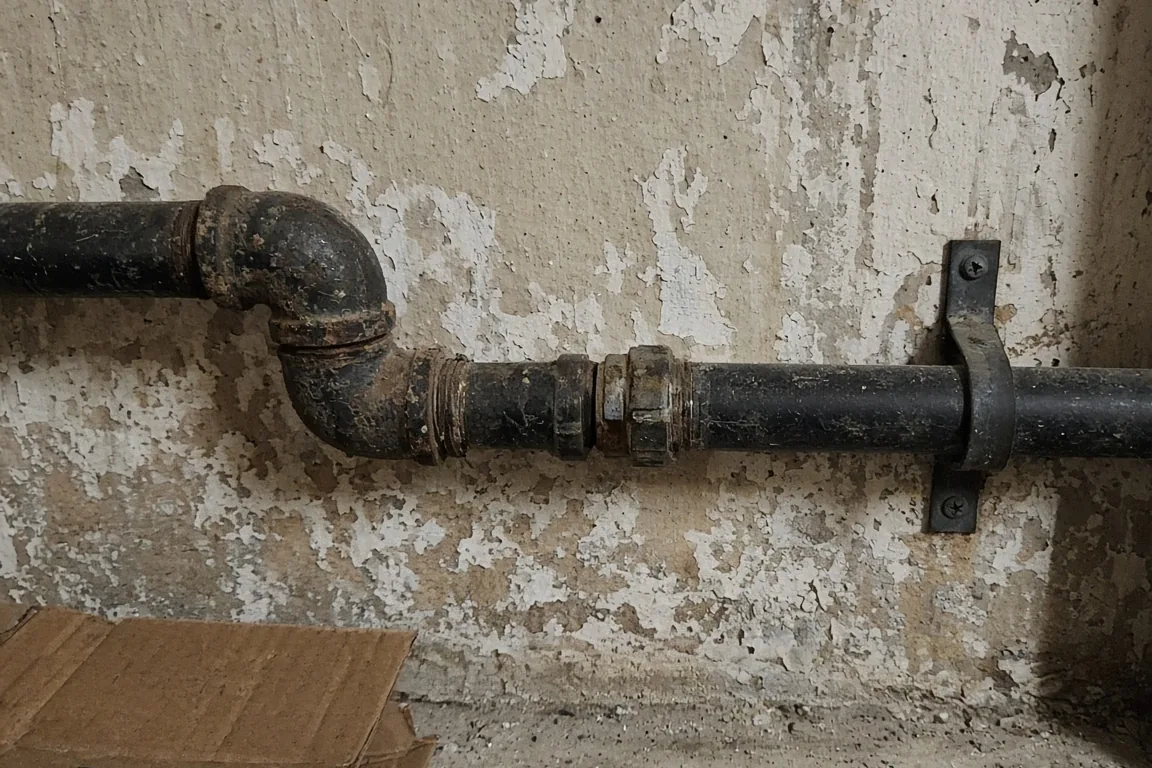
- You're swapping a gas appliance for a similar one in the same spot. A new gas range replacing an old gas range can often use the line that's already there. What usually gets replaced is the short flexible connector between the shutoff valve and the appliance, not the piping behind it.
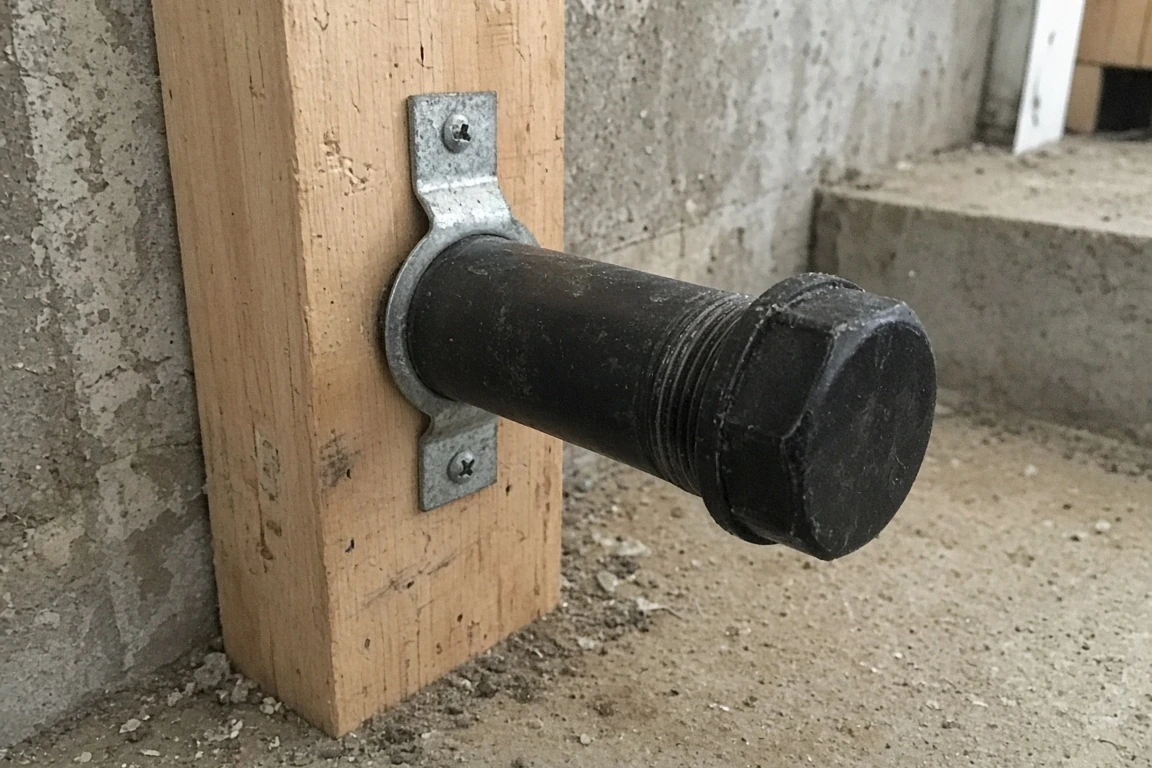
- There's already a capped gas line where you want the appliance. Many laundry rooms and kitchens have a gas stub that was never used. That can turn the job into adding a shutoff valve and a connector, which is much smaller than running new pipe from the meter.
- The appliance itself is acting up. A burner that won't light, a pilot that keeps going out or an oven that heats unevenly is usually a problem inside the appliance. That's a job for whoever services that appliance, not a reason to replace the line feeding it.
- Your gas water heater stopped making hot water. That's usually a water heater repair, and our water heater repair page covers it. Replacing an old gas tank with a new one in the same spot is a water heater installation, also on its own page.
There's one exception to watch for. If you're moving from a tank water heater to a tankless model, or adding a much bigger appliance than the old one, the existing line may be too small. Tankless units can need a lot more gas at once than a standard tank. What looks like a simple swap can need new sizing and sometimes new pipe, which is the kind of work this page is about.
Sometimes the right move is to wait. If you haven't picked the appliance yet, don't rush to run a line for it. The line has to be sized for what's going on it, and a different model can change that math. The same goes for a remodel that's still being planned. If the kitchen layout might change, running pipe now can mean moving it later.
A gas smell is a different situation from everything above. It isn't a project to plan or a quote to compare. Treat it as urgent and contact NW Natural, your gas utility, right away before worrying about repairs or upgrades.
If you're not sure which group you're in, that's normal. Try to find out three things first: the appliance you want, where it'll go and whether there's already gas piping near that spot. Those three answers usually show whether you're looking at a small hookup, a repair to the appliance or a new run of pipe. They also make any conversation with a contractor faster and the quote more accurate.
We'd rather tell you that your existing line will work than sell you pipe you don't need. A smaller job done right is still the right job.
Gas line work is part of the residential plumbing in Lake Oswego that we provide, and you can book a gas line installation estimate once you know which appliance you are adding.
Frequently Asked Questions
Common questions about Gas line installation
Can I use a propane line for a gas appliance instead of natural gas?
No, propane and natural gas need different pipe sizing and appliance settings, so the two aren't interchangeable. An appliance rated for natural gas burns it at a different pressure than propane, and swapping fuel types means re-checking the sizing math from scratch. If you're deciding between the two, tell us which fuel serves your home before we size anything.
Do I need to be home during the gas line installation?
Yes, someone needs to be home, since the gas to your house is usually shut off while new piping gets tied in. You'll also want to be around when the gas comes back on, because pilot lights on other appliances may need relighting afterward. Plan for a few hours without gas, which matters most on a cold morning if your furnace or water heater runs on it.
What if my crawl space or basement is hard to access?
Tight crawl spaces and finished walls add time to a gas line project, since someone has to open them or find another route. An open basement or roomy crawl space is the easiest path to run new pipe through. Clearing a path to those areas before your visit helps the quote come out more accurate and the job move faster.
Will adding a gas appliance require a meter upgrade?
It might, if your total gas use after adding the new appliance is more than your current meter can supply. NW Natural, the gas utility serving Lake Oswego, handles that upgrade, not the plumbing contractor. It's worth asking about this early in the process, since a meter upgrade can add time to your project timeline.
Ready to Get Started?
Call (971) 455-3804 now for a free estimate.
Call (971) 455-3804Open 7 AM to 11 PM, seven days a week.