Emergency plumbing repair
Emergency Plumbing Repair in Lake Oswego
4.9 ★ on Google (16 reviews)Open 7 AM to 11 PM, 7 days
What Counts as a Plumbing Emergency
A plumbing problem is an emergency when water is spreading, sewage is coming back up, or you've lost something you can't go without, like hot water or a working drain. A slow drip or one sluggish sink can usually wait for a regular visit. If you can't tell which one you've got, describe what you're seeing when you call and we'll help you sort it out.
Most people don't call because they're unsure. They don't want to pay for an urgent visit if it's nothing, and they don't want to wait if it's something. The good news is that the line between the two is usually clearer than it feels when water is on the floor.
Our emergency service covers these problems:
- Burst pipes. Water is spraying or pouring from a line, and it won't stop on its own.
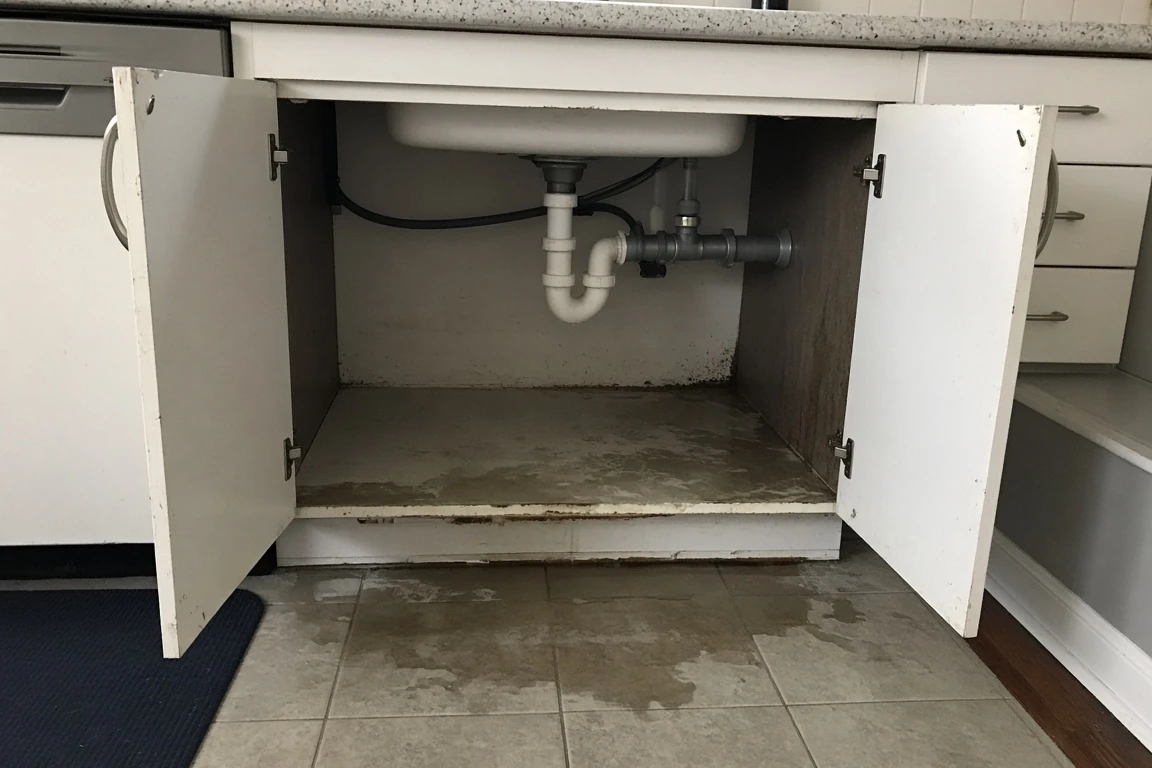
- Major leaks. Water is soaking a ceiling, pooling under a cabinet, or running down a wall faster than a towel can handle.
- Backed-up drains. A tub, shower, or floor drain is filling with water that won't go down, or more than one fixture is backing up at the same time.
- Sewer backups. Dirty water or sewage is coming up through a drain, or you smell sewage inside the house.
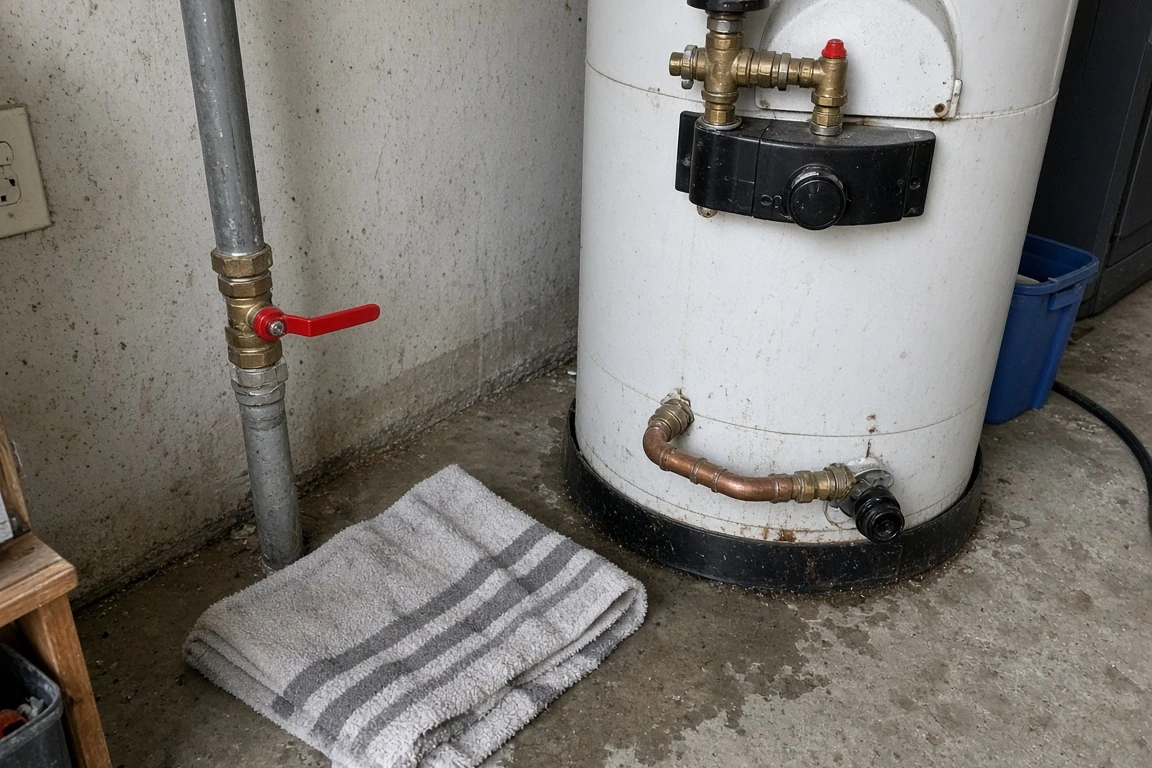
- Water heater failures. The tank is leaking, or you've lost hot water entirely and can't get it back.
What these have in common is time. Each hour can mean more water in your drywall, flooring, or subfloor, or a home you can't really use. That's the point of acting fast. The repair itself might be simple, but the damage around it keeps growing while you wait.
Plenty of problems feel urgent but can wait for a normal appointment. We'd rather tell you that straight than send someone out at a rush you don't need.
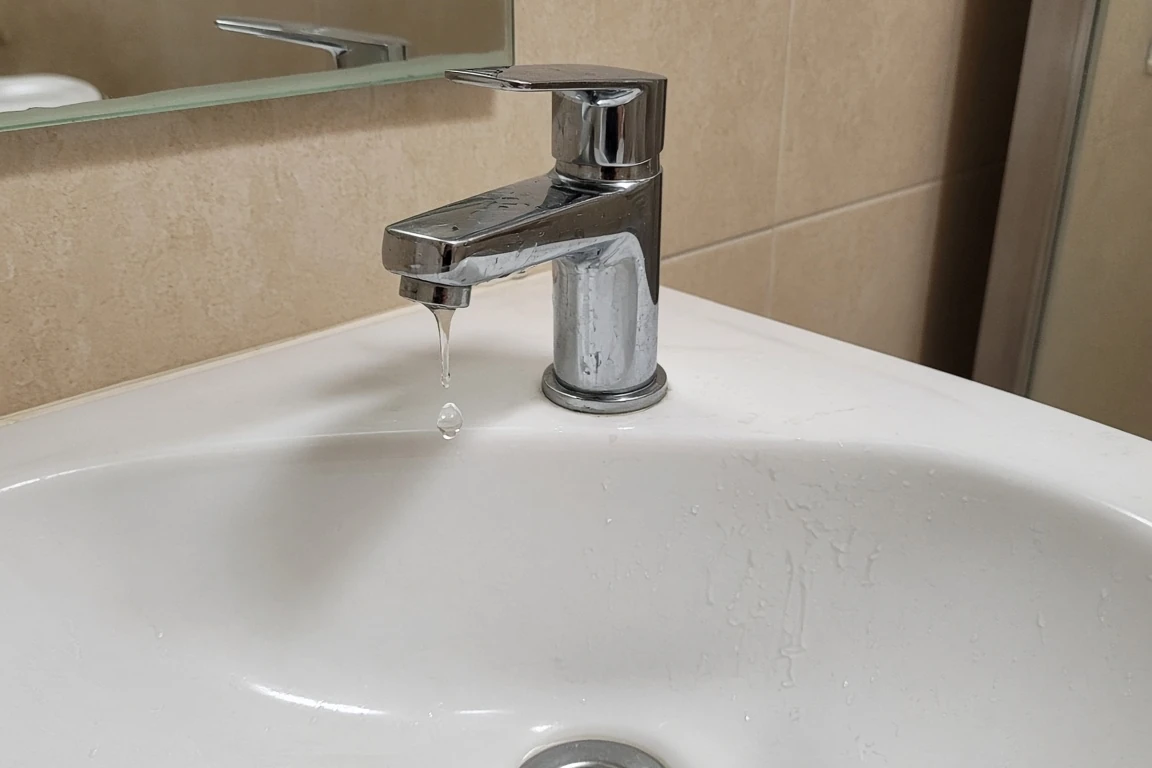
- A faucet that drips but stays in the sink.
- One drain that's slow but still empties.
- A toilet that runs after flushing, as long as it isn't overflowing.
- Water pressure that's a bit lower than usual at one fixture.
- Hot water that runs out sooner than it used to, while the tank isn't leaking.
Those are worth fixing, and they can get worse if you ignore them for months. But they aren't spreading damage tonight. Book them at a time that works for you.
Some problems sit in the middle. Picture a small wet spot on the ceiling below a bathroom. It might be a slow seal leak, or it might be a pipe that's about to let go. Or picture a toilet that gurgles every time the washing machine drains. That can point to a blockage further down the line, which is more than a simple clog. When you're not sure, pay attention to two things: is it getting bigger, and is more than one fixture involved? If the answer to either is yes, treat it as urgent.
Our emergency plumbing hours are 7 AM to 11 PM, seven days a week, here in Lake Oswego. If something starts late in the evening, it helps to call sooner rather than waiting to see if it gets worse. Holiday hours may differ, so it's worth calling to check on those days.
When you call, tell us what you see, where the water is, and when it started. That helps us understand how serious it is and what the repair might involve before anyone arrives.
When It Can Wait for a Regular Appointment
If your problem fits the list we covered above, waiting a day or two is a fair choice. It isn't the same as ignoring it. You're trading a rush visit for a planned one, and that often works in your favor.
Here's why. Across the plumbing trade, urgent and late calls often cost more than a scheduled visit. The rate can depend on the time of day, how fast someone needs to arrive, and whether parts have to be found on short notice. A regular appointment takes most of that pressure off. You get time to ask questions and understand the fix before anyone starts.
Waiting does have a limit. A drip that runs for months adds to your water bill. A slow drain usually keeps building until it stops. So book it soon, even if it isn't tonight.
While you wait, keep an eye on it. A few simple habits help you catch a change early:
- Take a dated photo of any wet spot or stain so you can tell if it's growing.
- Set a bowl or towel under a slow drip so you notice if it speeds up.
- Use the slow drain less, and don't pour grease or wipes down it.
- Check under sinks and around the water heater once a day.
A problem that can wait can still change. Treat it as urgent and call if you notice any of these:
- A drip turns into a steady stream.
- A slow drain stops draining at all.
- A running toilet starts to overflow.
- Water shows up around the base of the water heater.
- A second fixture starts acting up, too.
When you're ready to book, a little prep makes the visit faster and the quote clearer. Write down when you first noticed the problem and whether it's getting worse. Note which fixtures are involved and any sounds, like gurgling or banging. If it's the water heater, check the label for its age. Photos help, too.
It's also worth having a few questions ready. Ask what's causing the problem, not just what will fix it. Ask what the repair includes, and whether anything else nearby should be checked while the plumber is there. Ask what the cost will be before work begins. Those answers help you decide if a repair makes sense now or if a bigger fix is worth planning for.
Most of these scheduled jobs fall under our regular services. That includes faucet repair, toilet repair, drain cleaning, low water pressure repair, and water heater repair. Each one has its own page if you'd like more detail before you book.
If you've read this far and still aren't sure your problem can wait, that's fine. Tell us what you're seeing, and we'll help you decide whether to book a regular visit or treat it as urgent.
What Happens Before Any Repair Starts
In an emergency, it's easy to feel like you have to say yes to whatever fixes the problem fastest. You don't. Even on an urgent call, there's a short stretch before any repair begins, and it's where you protect yourself. That time is for three things: finding the real cause, hearing your options, and agreeing on the cost.
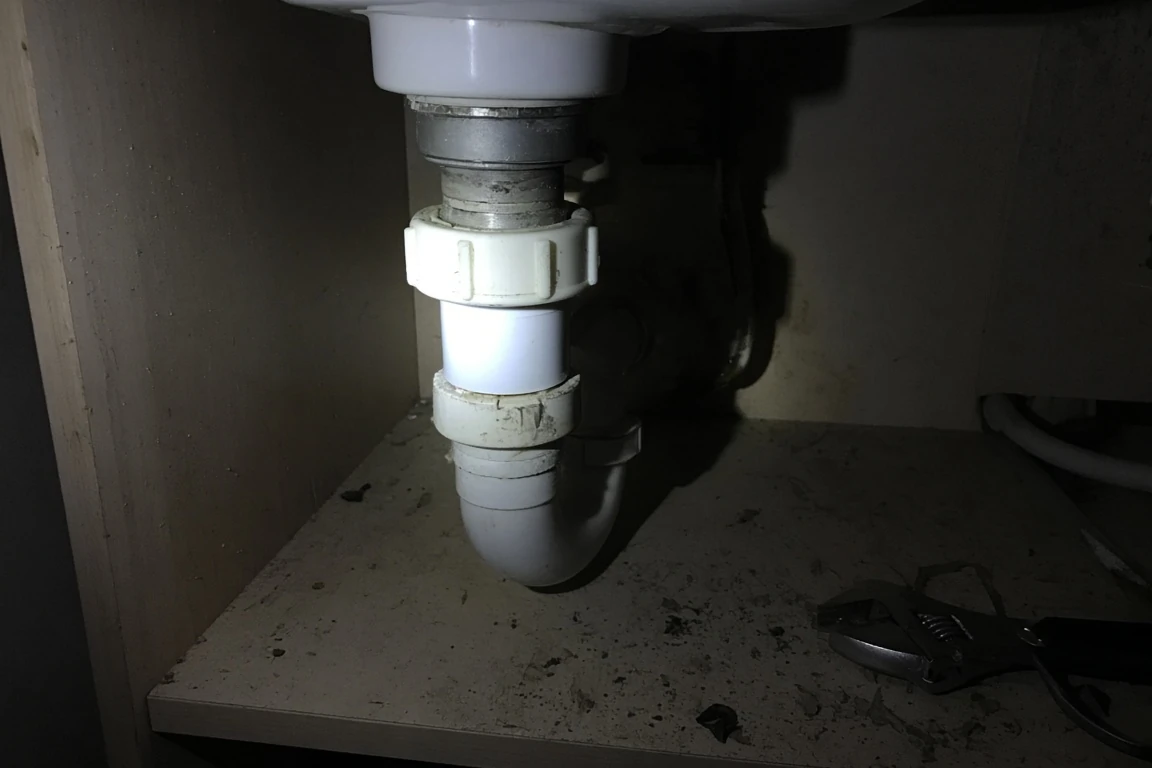
First comes the cause. The water you see isn't always where the problem is. A stain on a ceiling can start at a pipe joint several feet away. A backed-up tub might be a simple clog, or it might mean the main line is blocked further out. A fix that only treats what you can see may leave you with the same mess next month. So it's fair to ask, "What's causing this, and how do you know?"
Sometimes the answer takes a closer look. When a sewer backup or repeat clog points to the line outside the house, a sewer camera inspection can show what's inside the pipe instead of leaving it to guesswork. A leak under a concrete floor may call for slab leak repair, which is a different job than fixing a pipe under a sink. Each of those has its own page if you want the details.
Next comes the cost. Across the plumbing trade, a few things tend to move an emergency quote up or down:
- Access. A pipe under an open sink is quicker to reach than one behind finished drywall or under a floor.
- The extent of the problem. One failed fitting is a smaller job than a run of old, worn pipe.
- Parts. Common parts are easier to get than a specific valve or water heater part that has to be tracked down.
- Time of day. Late or rush calls often cost more than a scheduled visit, as we covered above.
- Whether it's a temporary stop or a full fix. Sometimes the smart move tonight is to stop the water and plan the bigger repair for later.
That last point matters. You may hear that there are two choices: a quick repair to get you through the night, or a fuller fix that costs more now. Neither one is wrong. What matters is that you know which one you're paying for and what it leaves undone.
Before anyone picks up a tool, you should be able to answer these questions:
- What's causing the problem?
- What will the repair include, and what won't it include?
- Is this a temporary fix or a lasting one?
- What's the cost, and what could change it once work starts?
- Is there anything nearby that should be checked while the plumber is here?
If any of those answers is unclear, ask again. A good plumber won't mind. Clear talk is part of the job, and it's what customers tend to notice. One of our reviewers wrote that we "explain the problem and the cost before starting." That's one person's report, not a promise about every visit, but it's the standard you should hold any plumber to.
Once you understand the cause, the options, and the price, the decision is yours. You can approve the repair, choose the temporary fix, or take a few minutes to think. Even with water on the floor, a few minutes of clear answers is time well spent.
How Emergency Plumbing Pricing Works
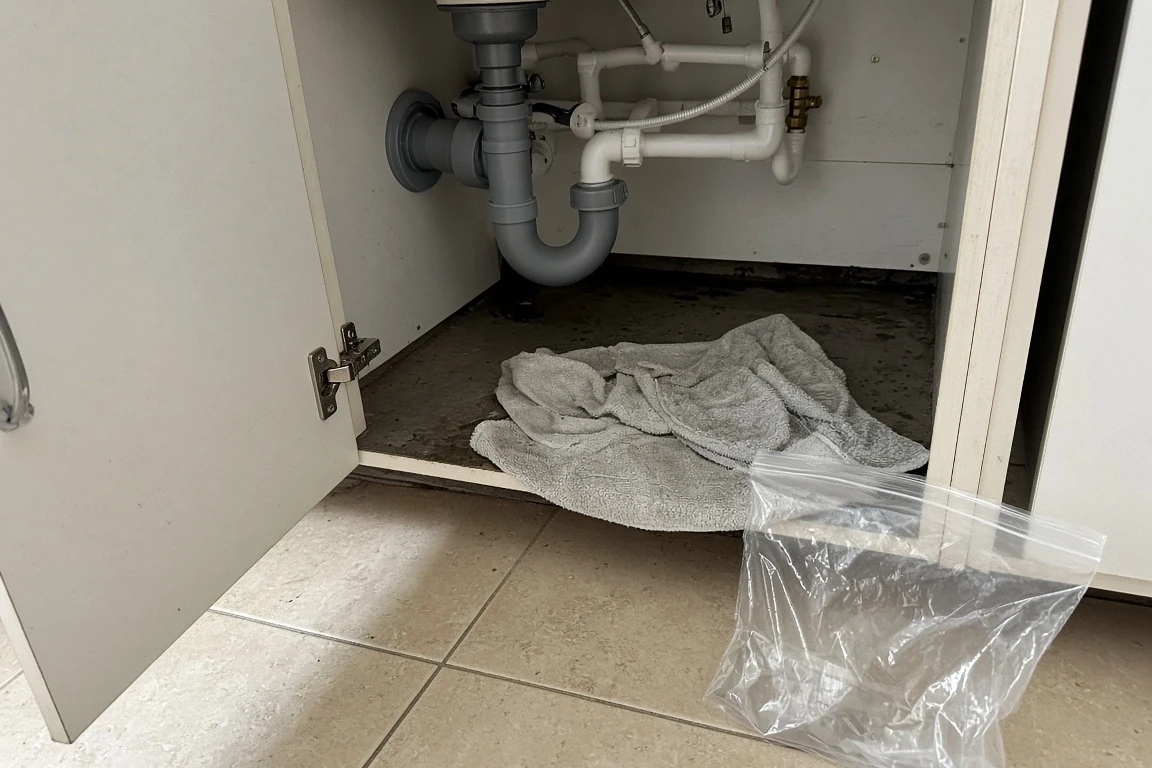
You already know what pushes an emergency job up or down. This part is about how the bill itself is put together. Once you know the pieces, a quote stops feeling like a mystery number, and you can tell what you're paying for.
Across the plumbing trade, an emergency bill is usually built from a few parts:
- A service call or trip charge. Many plumbers charge just to come out and look. Some count it toward the repair if you go ahead, and some don't.
- Labor. Some plumbers bill by the hour, so the total depends on how long the job takes. Others charge a set price for a defined task, like replacing a shutoff valve, however long it takes.
- Parts and materials. Pipe, fittings, valves, and replacement parts are often listed on their own line.
- An urgent or after-hours rate. Some plumbers add a premium for evenings, weekends, or holidays.
- Follow-up work. If tonight's fix is temporary, the lasting repair is usually a separate job with its own price.
Hourly and set pricing each have a place. Hourly can come out lower on a quick, simple job. It's harder to predict, though, when nobody knows yet what's behind the wall. A set price gives you the number before work starts. Just make sure you know exactly what that number covers and what would count as extra.
The service call charge deserves the most attention, because it may be the one cost you owe even if you decide not to go ahead with the repair. Settle it on the phone, before anyone drives over. Here's what to ask:
- Is there a charge to come out, and how much is it?
- Does that charge go toward the repair if I approve it?
- Is labor billed by the hour or as a set price for the job?
- Is there a different rate for the time I'm calling?
When you compare quotes, compare what's included, not just the total. A low price might buy a patch on one joint. A higher quote might replace the whole worn section. The cheaper one isn't a bad choice, but it isn't the same job. If you'd need a second visit in a month, the real cost is both bills added together.
There's also a cost that never shows up on a plumber's invoice. As we covered earlier, damage from spreading water or a sewage backup keeps growing while you wait. Pushing a call to the next morning to avoid an evening rate can cost more in drywall, flooring, and cleanup than it saves. On a real emergency, waiting is rarely the cheap option.
If you plan to file a homeowners insurance claim, ask for an itemized bill that names the cause and the repair. Your insurer can tell you what else they need, so it's worth checking with them early.
Some customers tell us that clear pricing is what they value most. One reviewer wrote that we "explain the problem and the cost before starting, with no surprise charges on the final bill." That's one person's experience, not a promise for every visit. Still, it's fair to expect that kind of clarity from any plumber you hire, us included.
What to Do Before the Plumber Arrives
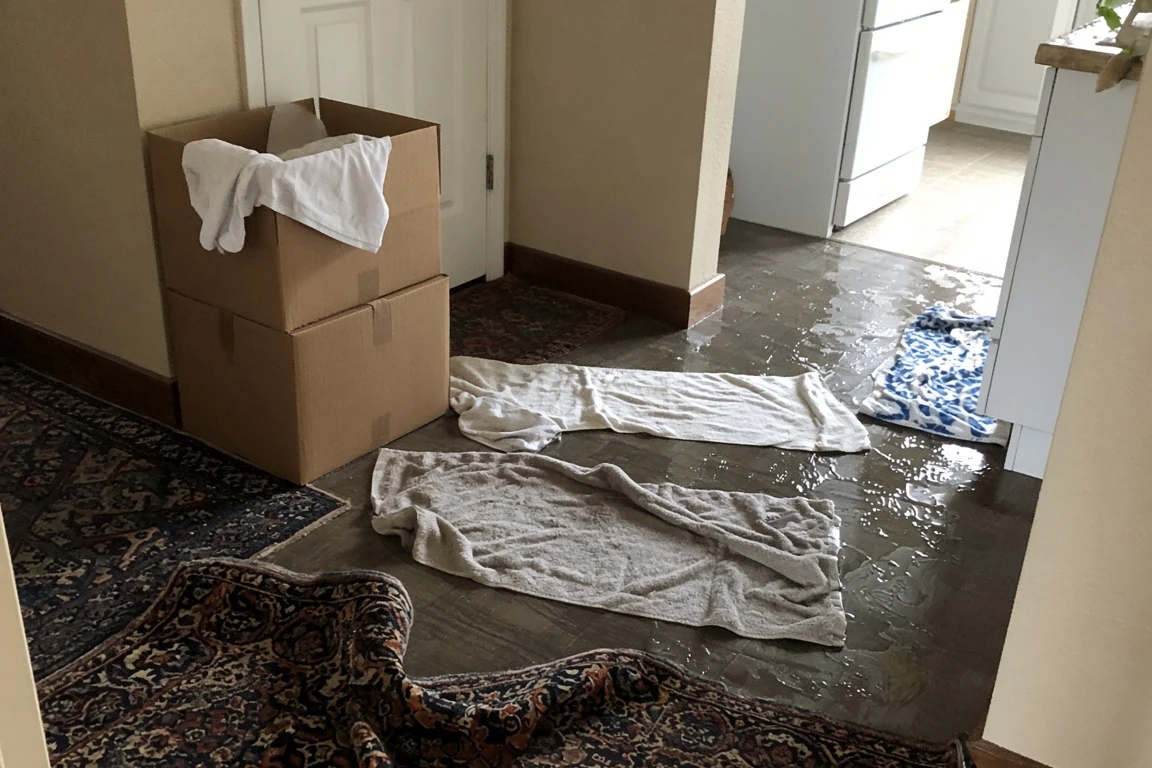
Once you've decided it's an emergency, there's usually a gap before help gets to your door. What you do in that time matters. You can't fix the pipe yourself, and you don't need to. Your job is smaller than that: slow the water down, keep it away from the things you care about, and make it easy for the plumber to get to work.
Start with the water. If a pipe has burst or a leak is spreading, the most useful thing you can do is shut off the water supply, as long as you can reach the valve safely. Many homes have a main shutoff where the water line enters the house, often in a garage, basement, crawlspace, or near the water heater. Some fixtures, like toilets and sinks, have their own small valves underneath. Turning one of those off can stop the flow from that fixture without cutting water to the whole house.
If you can't find the valve, or it won't turn, don't force it. An old valve can break if it's cranked too hard, and that turns one problem into two. Tell us about it when you call. It's useful for the plumber to know before they arrive.
With a drain or sewer backup, the steps are different. Shutting off the water is less important than stopping everyone from adding more to the line. Until the plumber has looked at it, here's what to hold off on:
- Flushing any toilet in the house.
- Running the dishwasher or washing machine.
- Taking showers or baths.
- Pouring chemical drain cleaner into a backed-up drain, which can make the job harder and less safe for whoever opens the line.
Next, protect what you can. Move rugs, boxes, furniture, and electronics out of the wet area. Put towels or a bucket under an active drip. If water is coming through a ceiling, keep people and pets out from under the wet spot. If water is near outlets, cords, or appliances, stay clear of it, and mention it when you call.
Then make the job easier to start. A plumber who can get straight to the problem spends less time on the clock. Clear a path to the leak, and empty the cabinet under the sink if that's where the water is. Make room around the water heater. If the problem might be in the sewer line, clear the way to any cleanout you know about. Put pets in a separate room, and turn on outside lights if it's getting dark.
Finally, take a few quick photos of the water, the damage, and anything you've moved. They help the plumber understand what happened before you shut things off, and they're useful if you file an insurance claim later. If something changes while you wait, call us back with an update. For example, the water might slow down after the shutoff, or a second drain might start backing up.
None of this replaces the repair. But a home where the water is off, the area is clear, and you can say what happened is one where the plumber can find the cause faster. That also helps you get clear answers on the fix and the cost before work begins.
Emergency calls are one part of the everyday work of our Lake Oswego plumbing company, and if water is spreading right now you can request emergency plumbing help or call us directly.
Frequently Asked Questions
Common questions about Emergency plumbing repair
Can I call for emergency plumbing in the middle of the night?
Emergency plumbing hours run from 7 AM to 11 PM, seven days a week. If a pipe bursts or a drain backs up late in the evening, call as soon as you notice it rather than waiting until morning. Holiday hours may differ, so it's worth checking if your emergency falls on one.
What's the difference between a quick fix and a full repair during an emergency call?
A quick fix stops the water or clears the immediate problem so you can get through the night, while a full repair addresses the actual cause for good. For example, a plumber might stop a leak at a joint tonight but recommend replacing a worn section of pipe later. Ask which one you're getting and what it leaves undone before you approve any work.
Should I try chemical drain cleaner on a backed-up drain before the plumber gets there?
No, avoid pouring chemical drain cleaner into a backed-up drain while you wait. It can make the blockage harder to clear and less safe for whoever opens the line once the plumber arrives. Instead, stop using that drain, and hold off on flushing toilets or running the dishwasher or washing machine until it's been checked.
Ready to Get Started?
Call (971) 455-3804 now for a free estimate.
Call (971) 455-3804Open 7 AM to 11 PM, seven days a week.