Drain Repair Versus Drain Cleaning: How to Tell Which One You Need
Drain cleaning clears something stuck inside a pipe that's still in good shape. Drain repair fixes the pipe itself when it's cracked, broken, sagging or pulled apart. If a clog keeps coming back after it's been cleared, the pipe is often the real problem, and a camera inspection can show it.
Here's the simple way to think about it. Cleaning deals with what's in the pipe. Repair deals with the pipe. Grease, hair, soap scum, wipes and food scraps can build up and block a healthy line. Clear them out and the drain works again. But if the pipe has a crack, a broken joint or a low spot where water sits, cleaning only buys you time. The mess builds right back up, because the damage is still there.
Cleaning is usually enough when the signs look like this:
- Only one sink, tub or shower is slow, and the rest of the house drains fine.
- It's the first time this drain has given you trouble, or the first time in a long while.
- You know what likely caused it, like grease poured down the kitchen sink or hair in the shower.
- Once it's cleared, it stays clear for months, not days.
Repair is more likely when you notice things like these:
- The same drain clogs again a few weeks after it was cleared.
- More than one fixture backs up at once, such as a toilet gurgling when the washer drains.
- Water shows up where it shouldn't, like a wet cabinet floor under a sink or a stain on a ceiling below a bathroom.
- You smell sewage inside or outside the house, even after cleaning.
- You see a soggy patch, a sunken spot or extra green grass over the line in your yard.
- Bits of root, dirt or broken pipe come up when the drain is cleared.
Some problems sit in between. Tree roots are a good example. Roots can be cut out of a line and the drain will flow again. But roots get in through cracks and loose joints, so they tend to grow back. If roots keep returning, cutting them is cleaning, and sealing or replacing that section is repair.
When the signs aren't clear, guessing gets expensive. A sewer camera inspection lets you see inside the line. It shows whether you're looking at a buildup that hydro jetting or a cable can clear, or a break, sag or offset joint that needs fixing. It also shows where the problem is and how long the damaged section runs. The fix for one cracked joint near the house is very different from a long stretch of failing pipe under the yard. We offer both sewer camera inspection and drain cleaning, so if the camera shows a clog in a sound pipe, cleaning is the answer and that's what we'll tell you.
If you're still not sure, think about the pattern more than the moment. One stubborn clog is a cleaning job. A clog that won't stay gone, or one that comes with leaks, smells or yard damage, is telling you something about the pipe.
Signs an Older Lake Oswego Home May Have a Pipe Problem, Not Just a Clog
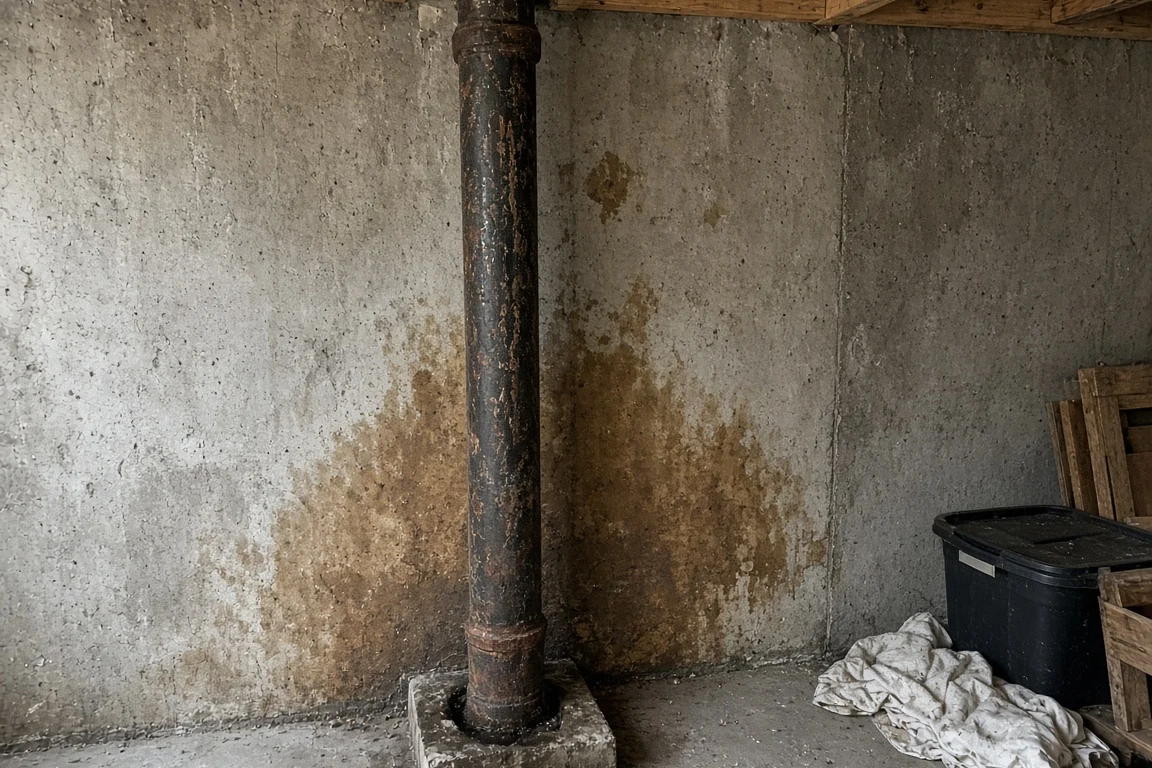
A house's age won't tell you for sure what's going on in your drains. But it changes the odds. A clog in a five-year-old home is usually just a clog. In a home that's lived through several decades of use, the pipe itself is more likely to be part of the story. If your Lake Oswego home has its original drain lines, it helps to know what those lines are made of and what tends to happen to them over time.
Older homes often have drain and sewer pipes made of materials that aren't used much anymore. Here's what each one tends to do as it ages:
- Cast iron: It's strong, but it rusts from the inside. The inner wall gets rough and flaky, so waste catches on it and the pipe slowly narrows. Over time it can crack or wear thin along the bottom.
- Clay: It holds up well on its own, but it's laid in short sections with many joints. Those joints can shift or separate, and roots can find their way in.
- Orangeburg: This is a fiber pipe that some homes from the mid 1900s still have. It can soften and lose its shape, so the line goes flat or caves in.
- Galvanized steel: Some older homes have it in smaller drain lines. It rusts inside and can close up a little more each year.
You don't need to dig anything up to start figuring this out. A few things you can check on your own:
- Look at any drain pipe you can see in a basement, crawlspace or garage. Rust stains, flaking, wet spots or white crusty buildup at a joint are worth noting.
- Check your paperwork. A home inspection report, past repair bills or notes from a seller may say what the sewer line is made of or whether it's been replaced.
- Think about what's growing near the line. Big trees between the house and the street put roots close to older joints.
- Notice whether the whole house drains a bit slower than it used to, not just one fixture. A main line that's narrowing affects everything that runs into it.
Past work matters too. Many older homes have had kitchens or bathrooms updated over the years. Sometimes the new pipe stops at the wall or floor and ties into the old line below. That spot where new meets old can be a weak point, especially if the two materials don't match well or the joint wasn't supported.
None of these clues proves the pipe is failing. A home can have original cast iron that still works fine. What they do is tell you whether a repeat clog is more likely to be a pipe issue. If you've got an older home, an older material and a drain that won't stay clear, a camera inspection is worth more than another round of clearing the line and hoping. It shows you the actual condition of your pipe, so you're deciding on facts instead of guesses.
One more thing to keep in mind if you're buying an older home in Lake Oswego. A general home inspection usually doesn't look inside the sewer line. If the house is decades old and nobody knows when the line was last checked, it's a fair question to ask before you close, while you still have room to plan for it.
Camera Inspection Confirms the Cause Before Any Repair Quote
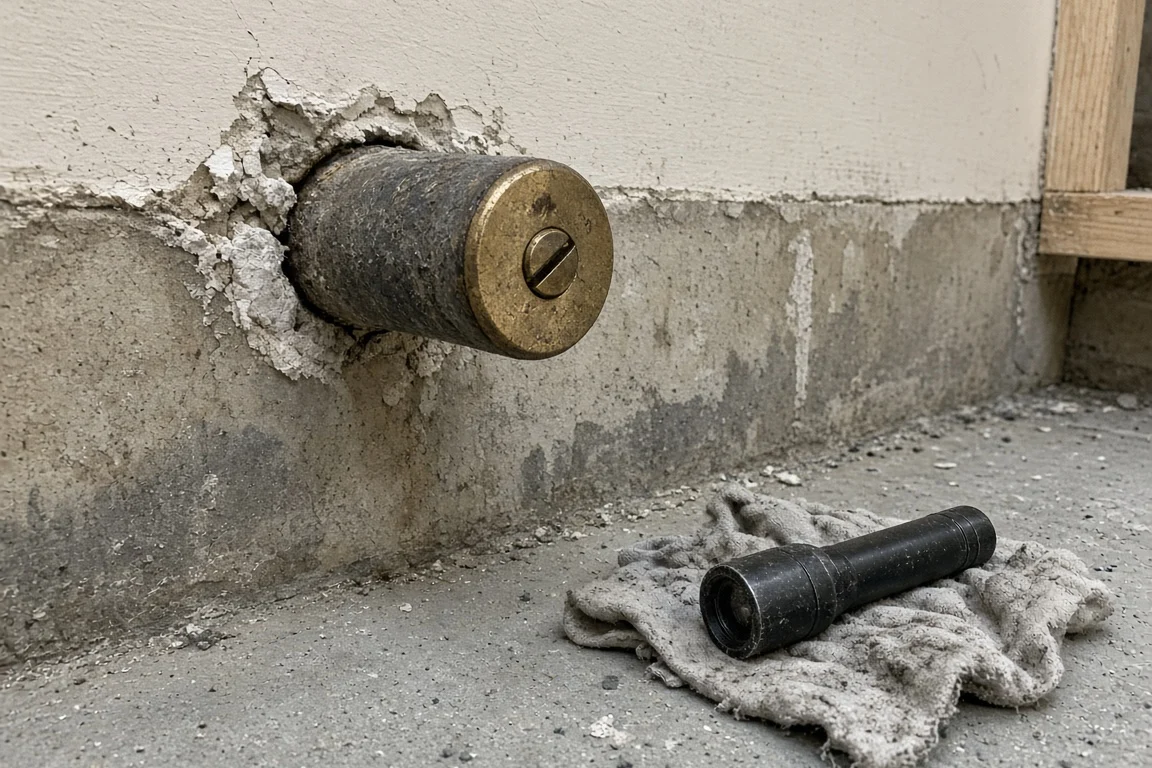
A drain repair quote is only as good as what it's based on. If someone prices a repair without seeing inside the pipe, they're guessing. That guess can go two ways. It can be too small, and you pay again when the real problem shows up. Or it can be too big, and you pay to replace pipe that didn't need it. A camera inspection takes the guesswork out, so the quote matches the actual damage.
Sometimes the camera can't see clearly on the first pass. Heavy grease, roots or rust scale can hide the pipe wall. In that case, the line may need to be cleared first, sometimes with hydro jetting, so the inspection shows the pipe and not just the buildup. We offer both sewer camera inspection and hydro jetting, so that step doesn't mean bringing in someone new.
Once the problem is on screen, these are the things that drive what a repair costs:
- Where the damage sits. A cracked pipe in an open crawlspace is much easier to reach than one under a concrete floor, a driveway or a finished patio.
- How deep the line runs. Deeper pipe means more digging, more time and more restoration afterward.
- How long the damaged stretch is. One bad joint is a small fix. Several failing sections may make replacing a longer run the smarter choice.
- What the pipe is made of. Joining new pipe to old cast iron, clay or Orangeburg takes the right fittings and care at the connection.
- What has to be put back. Lawn, landscaping, walkways and flooring all add to the job if they're in the way.
- Permits and inspections. Some sewer and drain work needs a permit, and that adds time and fees to the project.
Knowing these factors helps you read a quote. If two prices are far apart, the cause is often one of the items above. One quote may cover a short spot repair while another replaces the whole line. Neither is wrong on its face. What matters is which one the footage supports.
Before you agree to any drain repair, from us or anyone else, it's fair to ask:
- Can you show me the problem on the camera footage?
- Where exactly is the damage, and how deep is it?
- How long is the damaged section, and is the rest of the line in good shape?
- Why this repair and not a smaller or larger one?
- What's included in the price, and what could change it once work starts?
- Will this job need a permit?
- Are you licensed for this work in Oregon?
That last question is easy to check. Our Oregon CCB license number is 257405, and you can look it up yourself. A good provider won't mind any of these questions. The answers help you see whether the repair fits the problem.
Here's what that looks like in practice. Say your kitchen line keeps backing up and you're bracing for the worst. The camera might show one offset joint a few feet past the wall, with straight, solid pipe beyond it. That's a very different conversation than a line that's cracked from the house to the street. In both cases you'd be making the call based on what's really in the ground, which is the whole point of looking first.
Trenchless Repair Versus Excavation: What Decides Which One You Get
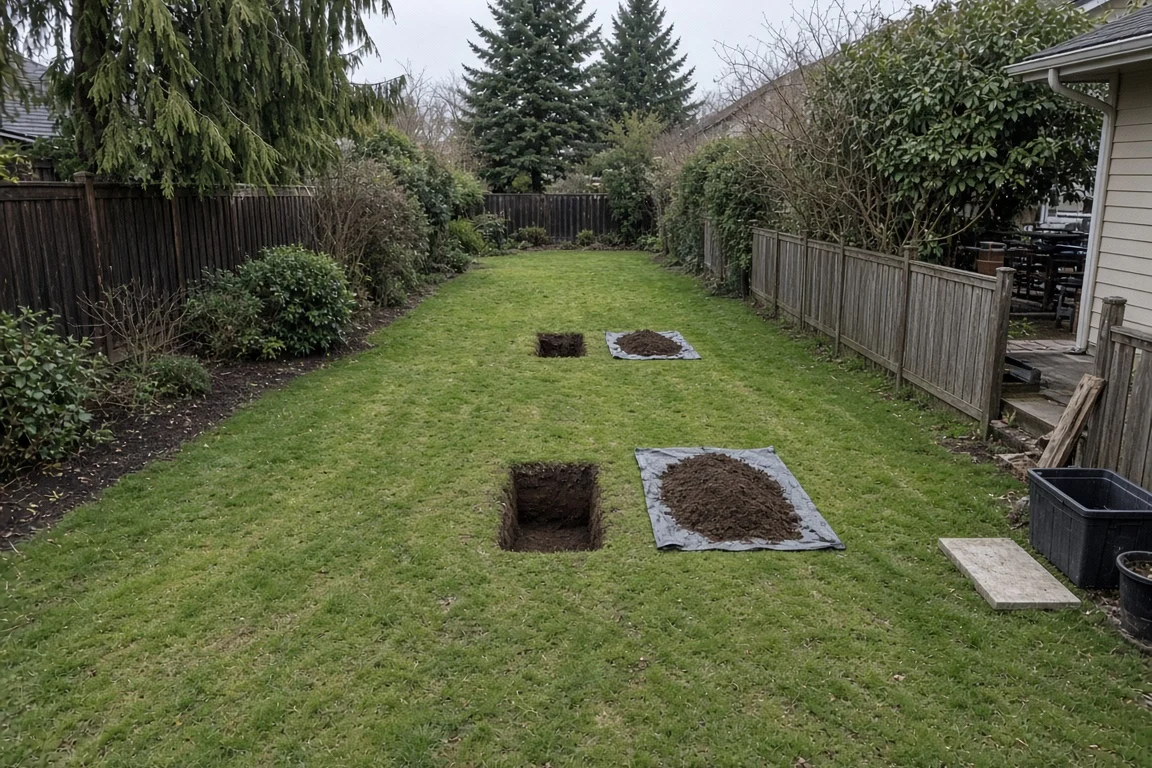
Trenchless repair sounds like the obvious choice. No big trench, no torn-up lawn, less mess. Sometimes it really is the better way to go. But it isn't always possible, and it isn't always cheaper. The pipe's condition decides which method fits, not a general preference for one over the other.
In the trade, trenchless repair usually means one of two methods. Pipe lining puts a flexible, resin-soaked tube inside the old pipe. Once it hardens, it forms a new pipe inside the old one. Pipe bursting pulls a new pipe through the old line and breaks the old pipe apart as it goes. Both methods work through small access holes instead of one long trench.
Trenchless repair tends to fit well when:
- The pipe still holds its shape, even with cracks, small holes or root entry at the joints.
- The damage runs a long way, so digging the whole length would mean a lot of restoration.
- The line runs under something you don't want torn out, like a driveway, a mature tree, a patio or a garden that took years to grow.
- There's a good way to reach both ends of the damaged stretch.
Digging is often the better call, or the only one, when:
- The pipe has collapsed or caved in. A liner needs a pipe it can follow. Flattened Orangeburg or a crushed section of clay doesn't give it one.
- There's a sag, or belly, where water and waste sit in a low spot. Lining just follows that same dip. Fixing the slope means getting to the pipe and resetting it.
- The problem is one short spot that's easy to reach, like a broken joint a few feet down under open lawn. A small dig can be simple and cost less than setting up for trenchless work.
- The line has sharp bends, size changes or connections that a liner can't get through cleanly.
Cost comes down to the same factors covered above, just weighed differently. Trenchless work usually costs more for the method itself. Excavation usually costs more to put the yard, walkway or driveway back together. For a deep line under concrete, trenchless can come out ahead. For a shallow break under grass, digging often does. A flat claim that one method is always cheaper doesn't hold up.
Some jobs use both. A section that's collapsed or sagging might get dug up and replaced, while a longer stretch that's cracked but solid gets lined. It depends on what each part of the line looks like on the footage.
If someone recommends one method, ask them to show you why on the camera footage. Is the pipe round enough to line? Is there a belly? How deep is it, and what's sitting on top? Clear answers to those questions tell you the method fits your pipe and isn't just the one they like to use. We offer drain repair and sewer line repair, and we'll walk you through what the footage shows so you can see the reason behind the plan.
When a Slow Drain Does Not Need Repair
Most slow drains don't need repair. A sink or tub that takes a while to empty is far more often a small clog close to the drain opening than a broken pipe under the house. If it's just one fixture and nothing else seems off, there's a good chance you can fix it yourself, or at least wait and watch for a bit.
The trouble usually sits in the first foot or two of pipe, where hair, soap and gunk catch first. Some common culprits:
- Bathroom sink stopper: The pop-up stopper collects hair and toothpaste on the rod underneath. Pull it out, wipe it clean and the sink often drains like new.
- Shower or tub: Hair wraps around the strainer or the stopper parts just below it. Clearing that clump fixes a lot of slow showers.
- Kitchen sink: Grease and food scraps build up in the curved pipe under the sink, called the trap. A plunger with a good seal over the drain can often push it through.
- Bathroom sink overflow hole: The small opening near the top of the basin lets air in as water drains. If it's packed with grime, the sink can drain slowly even when the pipe is clear.
Here's a simple case. Your bathroom sink has been draining slower for a few weeks. The tub, toilet and kitchen sink all work fine. You pull the stopper and find a gray wad of hair on it. That's not a pipe problem. Clean it, put it back and move on with your day.
It's also fine to wait when a drain is a little slow but still empties, doesn't smell, isn't leaking and hasn't gotten worse over the past few weeks. Keep an eye on it. A cheap hair catcher in the shower or a strainer in the kitchen sink can keep it from getting worse. So can keeping grease and wipes out of the drains.
If a simple fix doesn't do it, the next step is usually drain cleaning, not repair. A clog that sits a bit farther down the line can still be in a healthy pipe. Once it's cleared and stays clear, you're done. Nobody needs to look at replacing anything.
There's one thing worth skipping. If one slow sink is your only symptom, you probably don't need a camera inspection or a repair quote yet. Those make sense once you're seeing the repeat clogs, leaks, smells or yard signs covered earlier on this page. Before that, you'd mostly be paying to confirm what a clean stopper already told you.
The line to watch is simple. If the fix holds, you had a clog. If the drain slows down again within days or weeks, or another fixture starts acting up too, that's when it's time to look at the pipe itself.
Drain repair sits alongside the rest of our full drainage service in Lake Oswego, and if a clog keeps coming back you can schedule a drain repair inspection.
Frequently Asked Questions
Common questions about Drain repair
Do you offer emergency drain repair in Lake Oswego, or just scheduled visits?
We answer calls seven days a week for urgent problems like burst pipes, major leaks, or backed-up drains. If your drain is actively flooding a room or backing up sewage, call right away so we can get a camera on the line and figure out the real cause fast.
Can drain snaking fix a broken pipe, or just clear a clog?
Snaking only clears what's stuck inside the pipe, it does not fix cracks, breaks, or sagging sections. If a line keeps clogging after repeated snaking, that's a sign the pipe itself is damaged and needs a camera inspection before any real fix is planned.
Will a drain repair in Lake Oswego require digging up my yard?
Not always, it depends on the pipe's condition. If the pipe still holds its shape and the damage runs long, trenchless methods like lining or bursting can fix it through small access holes instead of one long trench. But a collapsed pipe or a sagging low spot usually needs digging, since trenchless methods need a pipe shape to follow.
Ready to Get Started?
Call (971) 455-3804 now for a free estimate.
Call (971) 455-3804Open 7 AM to 11 PM, seven days a week.