Bathtub installation
Bathtub Installation in Lake Oswego
4.9 ★ on Google (16 reviews)Open 7 AM to 11 PM, 7 days
Simple Tub Swap or Bigger Plumbing Job: How to Tell
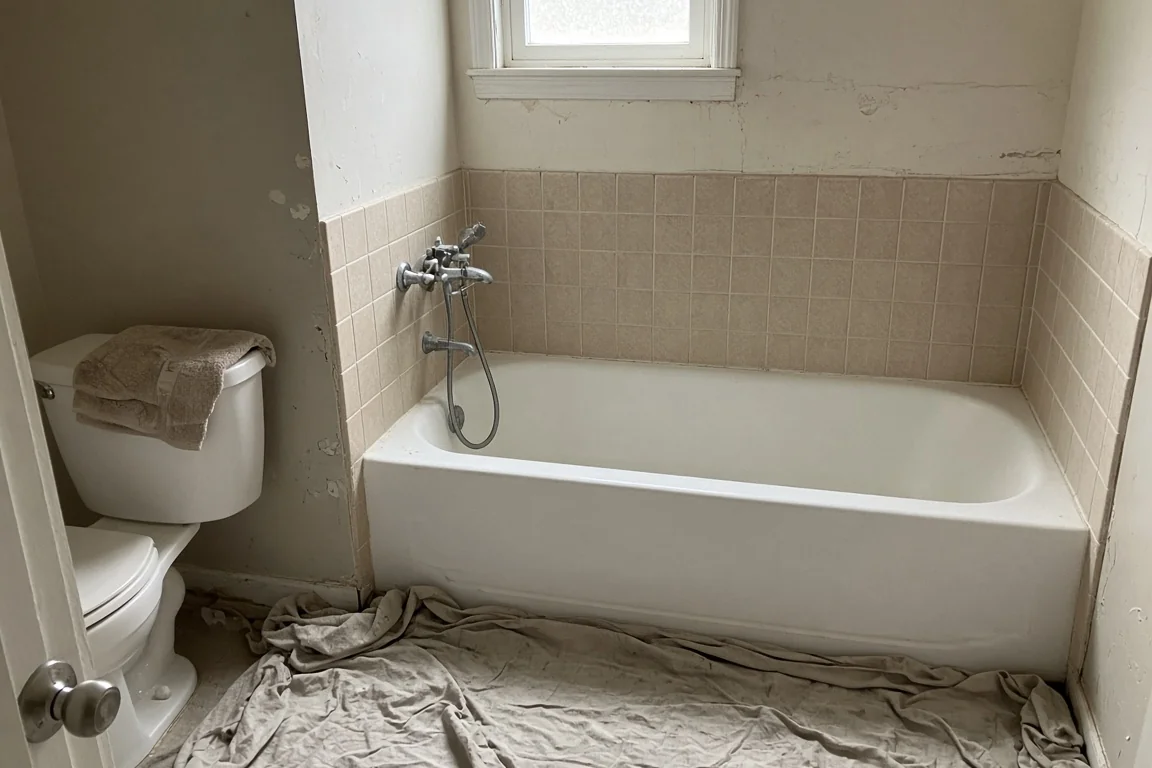
A tub swap stays simple when the new tub matches the old one's size, shape, and drain side, and the pipes behind it are sound. It turns into a bigger plumbing job when you change the tub type or layout, or when the old tub comes out and shows leaks, rot, or worn-out valves and drains.
Most people don't know which kind of job they have until the old tub is out. Still, you can get a good read on it before anyone shows up. It comes down to two things: how much you're changing, and what shape the hidden parts are in.
Your job is likely a straight swap if most of these are true:
- The new tub is the same length and width as the old one, usually a standard alcove tub that fits between three walls.
- The drain sits on the same end. Tubs are sold as left-hand or right-hand drain, and matching it keeps the drain pipe where it is.
- The floor around the tub feels solid, with no soft spots, sagging, or stains on the ceiling below.
- Your faucet and shower handle work smoothly, with no drips from the spout and no trouble getting steady hot water.
- You're keeping the tub in the same spot and the same style.
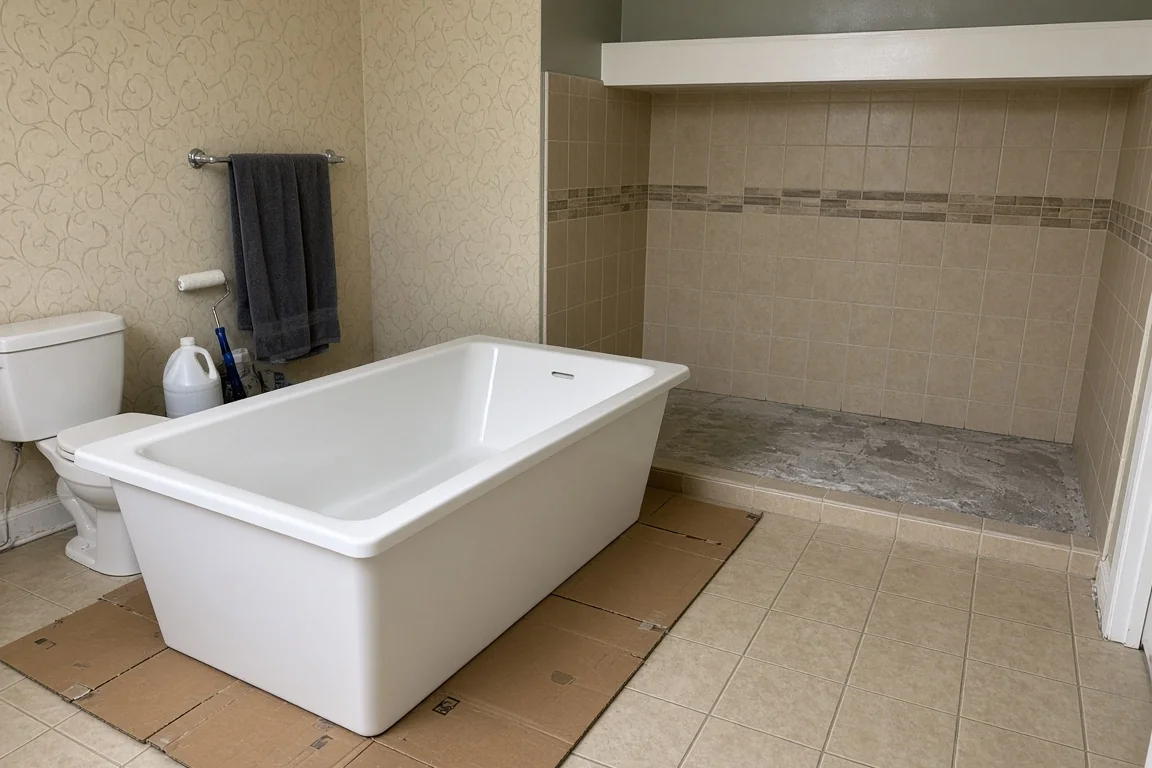
Expect more work if you're changing the setup. Going from an alcove tub to a freestanding tub means new drain and supply lines out in the open floor, often with a floor-mounted faucet. Flipping the drain to the other end means moving the drain pipe under the floor. A deep soaking tub or a heavy cast iron tub can be much heavier once it's full of water and a person, so the floor under it may need a closer look before it goes in.
Hidden damage is the other big variable. When an old tub comes out, the area behind and under it gets seen for the first time in years. Slow leaks from a worn drain or overflow can soften the subfloor. Older valves inside the wall may not fit a new handle and spout set, so the valve itself has to be replaced. Corroded supply pipes might be fine to leave, or they might be worth fixing while the wall is already open. None of this is a sure thing, but it's smart to plan for the chance.
A bigger tub can raise one more question: hot water. If your new tub holds a lot more water than the old one, your water heater may run out before the tub is full. That's worth thinking about up front, and it's a separate job covered on our water heater installation page.
So what does this mean for your quote? The main things that push cost up or down are:
- Whether the drain, valve, or supply lines need to move or be replaced.
- How hard the old tub is to get out, and how hard the new one is to get in through doors and halls.
- Any floor or wall repair found once the old tub is removed.
- The type, size, and weight of the new tub.
- Whether the tub doubles as a shower, which adds the wall surround and showerhead to the work.
When you reach out, share photos of the current tub, the faucet and handle, and the ceiling below if there's a room under the bathroom. Tell us what tub you want and where the drain sits on it. That gives a clearer picture of whether you're looking at a one-step swap or a job with a few more parts, and it helps you ask the right questions before any work starts.
Signs Your Tub Needs Full Replacement
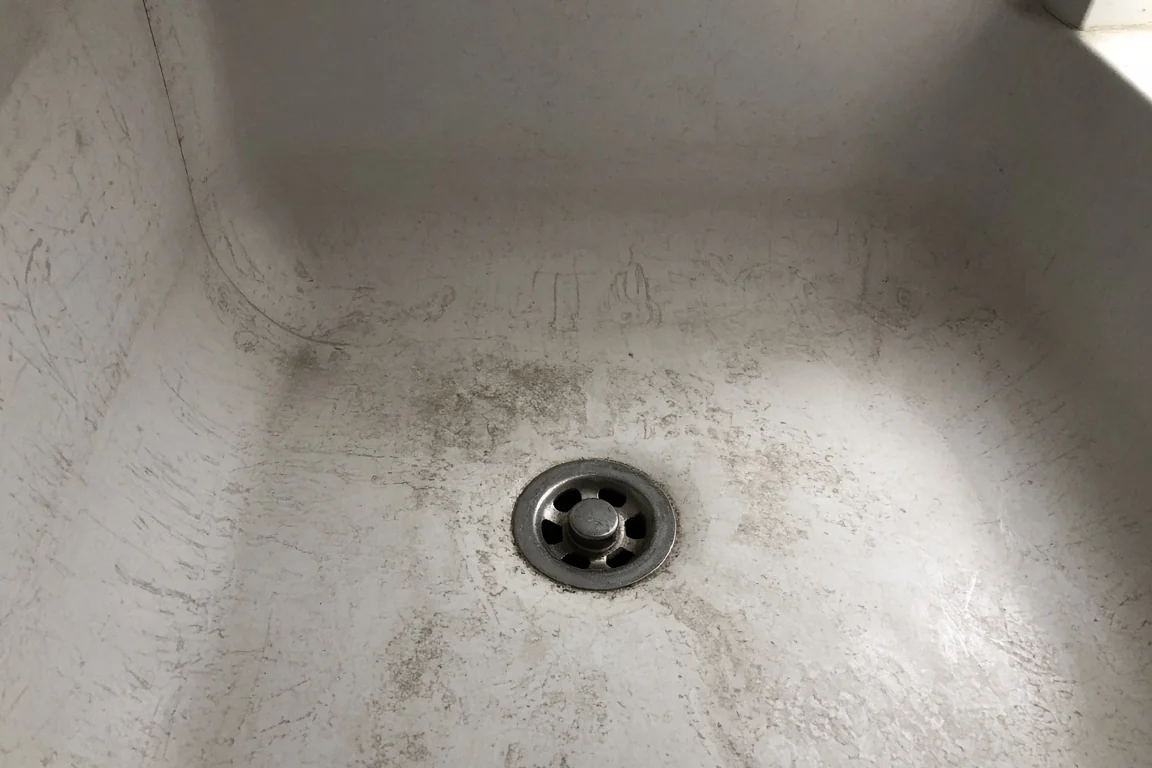
A tub needs full replacement when the shell itself is failing, meaning cracked, flexing, rusting through, or leaking from the tub body. It also needs replacing when it no longer works for the people using it. If the tub is solid and the trouble is the drain, faucet, or caulk, you probably need a repair, not a new tub.
The tub is often blamed for problems it didn't cause. So it's worth sorting out what's really going on before you plan a whole new install.
These signs point to a tub that's reached the end:
- Cracks in the tub body. A crack in an acrylic or fiberglass tub, often near the drain or along the bottom, lets water reach the floor underneath every time you bathe. Patch kits can buy some time, but cracks tend to spread once they start.
- A bottom that flexes or moves when you stand in it. That give usually means the support under the tub has broken down. It also puts stress on the drain connection with every use.
- Rust coming through on a steel or cast iron tub. Small chips in the enamel are cosmetic. Once the metal underneath is rusting and spreading, the finish can't hold it back for long.
- Leaks that keep coming back after fresh caulk. If you've sealed the edges and water still shows up on the floor or the ceiling below, the leak may be in the tub or its overflow, not the seal.
- A surface that's worn rough or stained deep. When cleaning doesn't help and the finish feels gritty, the tub has simply worn out.
Some tubs still hold water fine but don't fit your life anymore. A tall tub wall can be hard to step over for an older parent or someone with a bad knee. A small tub might not work for bathing young kids, or for a real soak at the end of the day. Those are fair reasons to replace a tub that isn't broken.
Now the honest part. These problems look like tub trouble, but they usually aren't:
- Slow draining or standing water. That's almost always a clog in the drain line, and drain cleaning takes care of it without touching the tub.
- A dripping spout or a handle that's hard to turn. That's the faucet or valve, which is a faucet repair or shower repair job.
- Black or moldy caulk along the edges. Scraping out the old caulk and resealing it is a small fix. Many homeowners handle it themselves in an afternoon.
- Water on the floor only after showers. Check the curtain, door seal, or splash zone first. It might not be a leak at all.
Here's a simple test. Picture a ceiling stain under the bathroom. If it grows after baths but not showers, the drain or overflow is a likely suspect. If it grows after showers too, the valve or wall may be the source. Neither one automatically means a new tub. A cracked or flexing shell is different. That's the tub telling you it's done.
Knowing which camp you're in keeps you from paying for a full install when a repair would do. It also keeps you from patching a tub that's already failing.
When a Full Installation Isn't Necessary
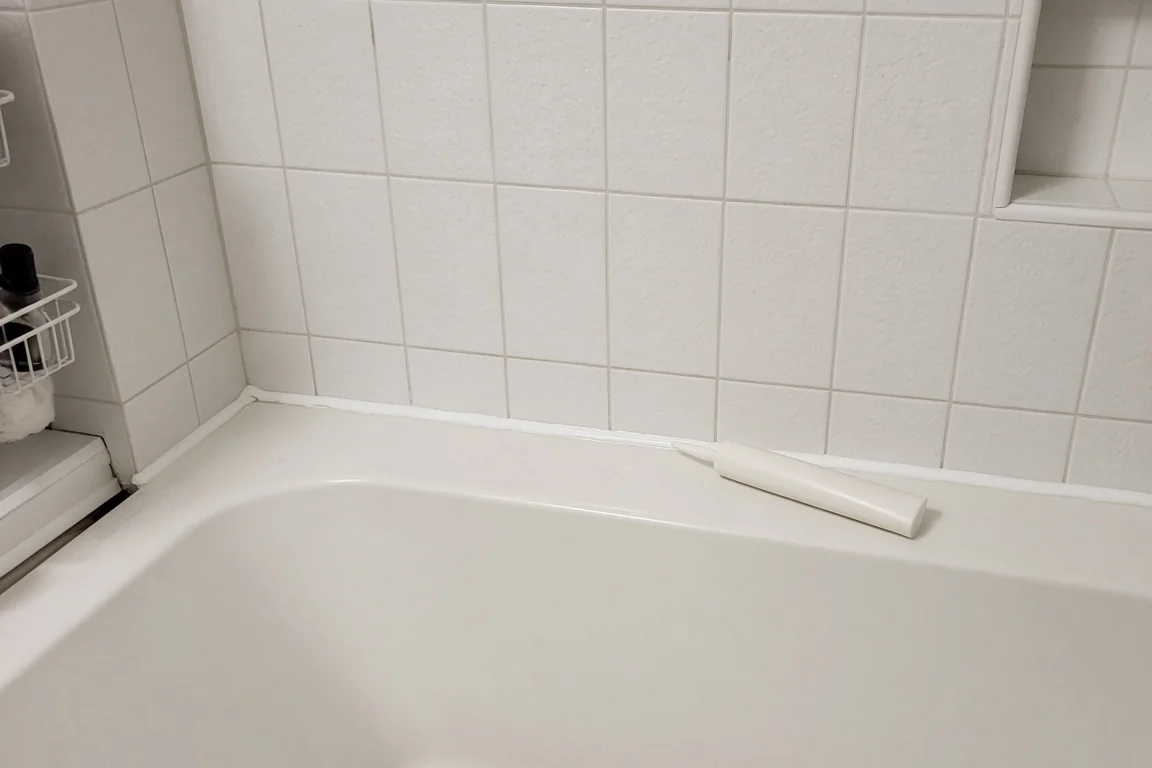
You don't need a full bathtub installation if the tub shell is solid and the only problem is how it looks, a small chip, or a worn part around it. In those cases, a smaller fix costs less, takes less time, and leaves your tile and walls alone.
That last point matters more than most people expect. A standard alcove tub has a lip that tucks behind the wall tile or surround. Getting it out usually means cutting into that wall, so a new tub can turn into new tile, new backer board, and more days without a working bathroom. If the tub itself is fine, that's a lot of disruption to take on for nothing.
Here are the cases where we'd tell you to hold off on a new tub:
- A few chips or scratches in the finish. Touch-up kits from a hardware store can cover small chips on enamel or acrylic. It's a cosmetic fix, and many homeowners do it themselves.
- A dated color or a dull surface on a sound tub. Professional refinishing recoats the tub where it sits. It isn't a plumbing job and it's not something we offer, but it's worth pricing out. A sprayed coating isn't as tough as a factory finish, so it needs gentler cleaning.
- A worn stopper or a loose overflow plate. These parts can be swapped on their own without pulling the tub.
- A tub that's getting hard to get in and out of, but is otherwise fine. Grab bars or a bath bench may solve the problem for less. A handyman or contractor can add those.
If your issue is one of the drain, faucet, or caulk problems covered above, start with that repair. There's no reason to replace a tub for a problem that lives in the parts around it.
Sometimes the right answer is to wait. Say your tub holds water fine and you're planning a bigger bathroom remodel in the next year or two. It often makes sense to hold the tub for that project, so the walls and floor only get opened once. You'll save on demolition and patching, and the new tub, tile, and fixtures can be planned together.
There's one exception to waiting. If water is getting under the tub or into the ceiling below and you can't stop it with a simple repair, don't sit on it. Hidden water keeps soaking into wood and drywall every time the tub is used, and that damage is what turns a simple swap into a much bigger job.
A tub that's solid underneath can keep working for years. Paying for a new one makes sense when the shell is failing or the tub truly doesn't fit the people using it. If neither is true, a smaller fix or a little patience is usually the better use of your money.
What Happens During a Bathtub Installation
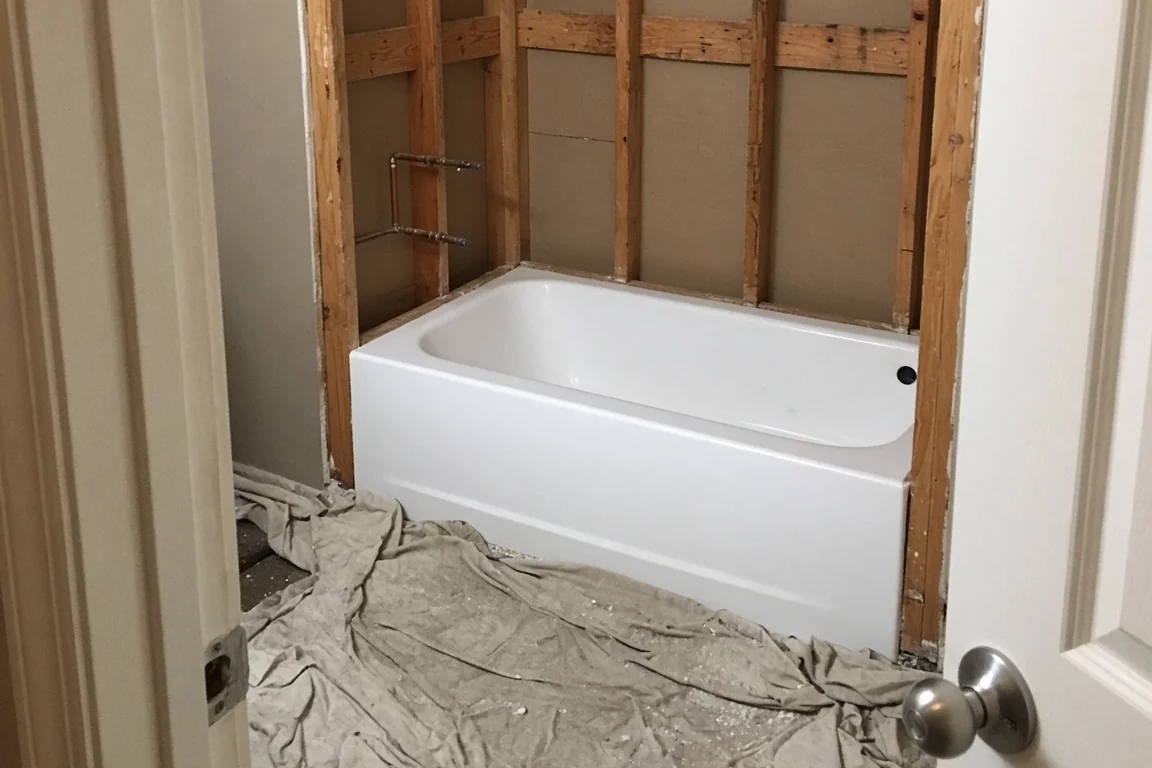
A bathtub installation moves through a few clear stages: shut off the water, take out the old tub, check what's underneath, set the new tub level, hook up the drain and faucet, test for leaks, and then close up and seal. Knowing the order helps you see where the job could grow and why the testing step matters so much.
Here's how the work generally goes.
- Prep and shutoff. The water to the tub gets turned off, and the path from your door to the bathroom gets covered. Old tubs are heavy and awkward, so floors and door frames need protection on the way out.
- Disconnecting. The drain, overflow, spout, and handle come off. On most alcove tubs, the bottom row of tile or the edge of the surround has to be cut back to free the tub's lip from the wall.
- Removing the old tub. Acrylic and fiberglass tubs can often be cut into pieces. Steel and cast iron tubs are a different story. A cast iron tub can weigh a few hundred pounds, so it's often broken up in place rather than carried out whole.
- Inspecting the open space. This is the moment the hidden damage covered earlier shows up, if there is any. Soft subfloor, a worn valve, or tired pipes get looked at now, while everything is easy to reach.
- Setting the new tub. The tub needs solid, even support across the bottom so it doesn't flex. Many tubs call for a bed of mortar or a support base under them. The tub is checked for level, and the lip is fastened to the wall framing.
- Connecting the plumbing. The new drain and overflow get hooked up, along with the valve, spout, and handle. If you're switching tub types or moving the drain, this is where that added work happens.
- Testing before the walls close. The tub is filled and drained, and the connections are checked for drips. This step matters most. A leak caught now is a quick fix. A leak found after the wall is tiled means opening it all back up.
- Closing up and sealing. The wall or surround gets patched, and the seams are caulked. Caulk needs time to cure before the tub gets wet, so follow the drying time on the product label.
How long will you be without a tub? A straight swap with no surprises moves much faster than a job that changes the layout or turns up rot. Wall repair and tile work after the plumbing is done can add days, and a tub that also serves as your shower means planning for another place to wash up in the meantime.
Before any work starts, it's fair to ask a few things. Does the job need a permit? What happens to the price if the floor or valve turns out to be bad? Who handles the tile or wall repair after the tub is in? Clear answers up front take a lot of the worry out of the process. One of our Google reviewers wrote that our team will "explain the problem and the cost before starting, with no surprise charges on the final bill." That's one customer's experience, but it's the kind of conversation you should expect from anyone you hire.
Our team brings 20 years of hands-on plumbing experience, and we're licensed with the Oregon Construction Contractors Board, CCB #257405. Because we also handle drain repair, shower installation, and repiping, problems found behind the old tub don't have to wait for a separate company.
Why Plumbing Licensing Matters for Tub Installation
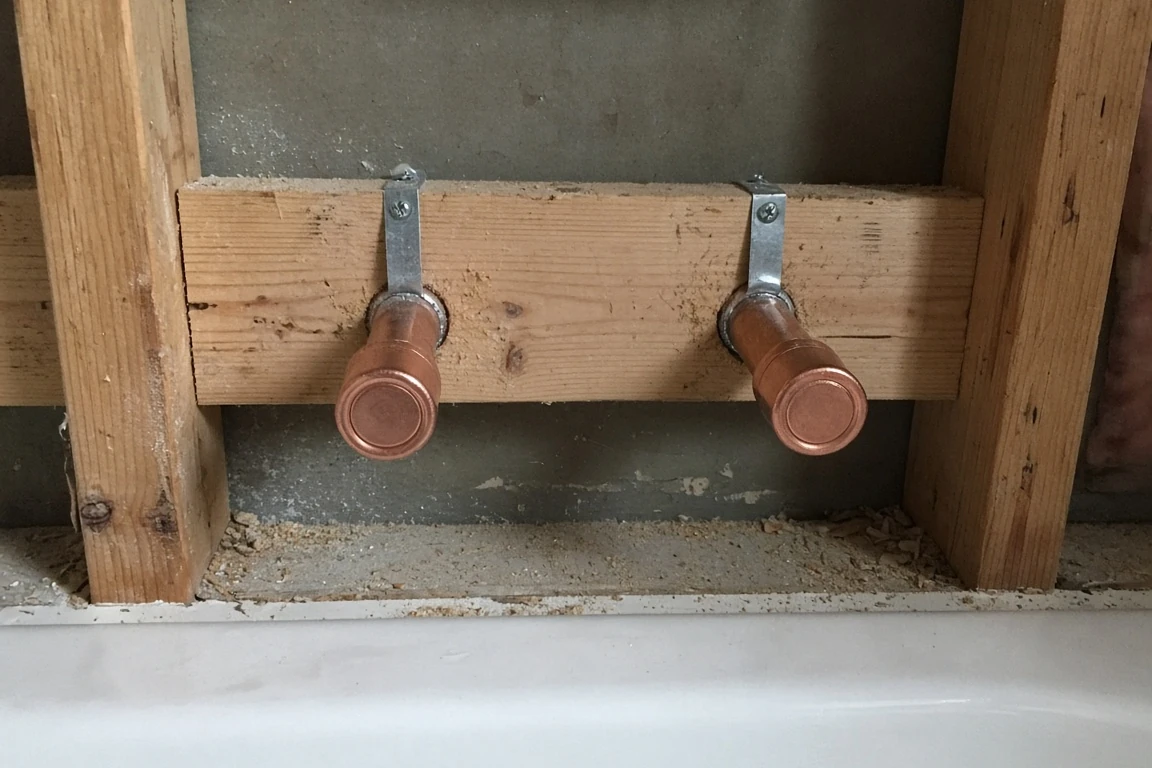
Licensing matters because a tub installation is plumbing work, not just a carpentry job. The parts that cause the worst trouble later are the ones you can't see once the wall is closed: the drain, the overflow, and the valve that mixes your hot and cold water. A licensed contractor answers to the state for how that work gets done, and you have somewhere to turn if it isn't.
Think about what a bad connection costs. A drain joint that seeps a little with every bath can soak the subfloor for months before a stain shows on the ceiling below. By then, the cheap install has turned into floor repair, drywall repair, and maybe a second tub job. Getting the hidden plumbing right the first time is where most of the value in this work lives.
The valve deserves its own mention. Plumbing codes generally call for tub and shower valves that guard against sudden hot water spikes, the kind that happen when someone flushes a toilet mid-bath. Older valves often don't have that protection. When the wall is open for a new tub, a licensed plumber can tell you if your valve meets today's rules or should be replaced while it's easy to reach.
In Oregon, contractors who work on homes must be licensed with the Construction Contractors Board. That license comes with a bond and insurance requirements, and the CCB gives homeowners a path to file a complaint if a job goes wrong. That's real protection, and it disappears when you hire someone without a license to save a few dollars.
Before you hire anyone for your tub, take a few minutes to check:
- The license number. Ask for it, then look it up on the Oregon CCB website. Make sure it's active and the name matches the business you're talking to.
- Who handles the permit. If your job needs one, find out who will pull it. If you aren't sure whether it applies, the City of Lake Oswego's building division can tell you.
- Who does the plumbing. Some remodel crews hand off the drain and valve work. Ask who will make those connections.
- What happens if a leak shows up later. You want a clear answer on who you call and how it gets handled.
A good contractor won't mind any of these questions. If someone gets vague or pushes you to skip the permit, that tells you something.
Here's where we stand. Our CCB license is #257405, and you're welcome to look it up before you call. We bring 20 years of hands-on plumbing experience, so the drain, overflow, and valve work stays with us rather than being passed along to another crew.
Tub replacement is one of our bathroom fixture installation services in Lake Oswego, and you can talk through a bathtub installation when you are ready to plan yours.
Frequently Asked Questions
Common questions about Bathtub installation
Do I need a permit to replace a bathtub in Lake Oswego?
It depends on the scope of your job, so check with the City of Lake Oswego's building division before work starts. A straight tub swap with no plumbing changes may not need one, but moving a drain or valve often does. A licensed contractor should be able to tell you whether your job qualifies and who will pull the permit.
How long will my bathroom be out of use during installation?
A straight tub swap with no surprises moves much faster than a job that changes the layout or uncovers rot. Wall repair and tile work after the plumbing is finished can add extra days. If your tub also serves as your shower, plan for another place to wash up while the work is done.
Can I keep my old faucet and handle when I install a new tub?
Sometimes, but older valves inside the wall often don't fit a new handle and spout set. When the wall is open for a new tub, it's worth having the valve checked against current plumbing codes, since many older valves lack protection against sudden hot water spikes. If it doesn't meet today's standards, it makes sense to replace it while the wall is already open.
What should I do if I find water damage after my old tub comes out?
Don't ignore it, since hidden water keeps soaking into wood and drywall every time the tub gets used. Soft subfloor, a worn valve, or corroded supply pipes are common finds once the old tub is removed. Addressing it while the area is already open avoids turning a simple swap into a much bigger repair later.
Ready to Get Started?
Call (971) 455-3804 now for a free estimate.
Call (971) 455-3804Open 7 AM to 11 PM, seven days a week.