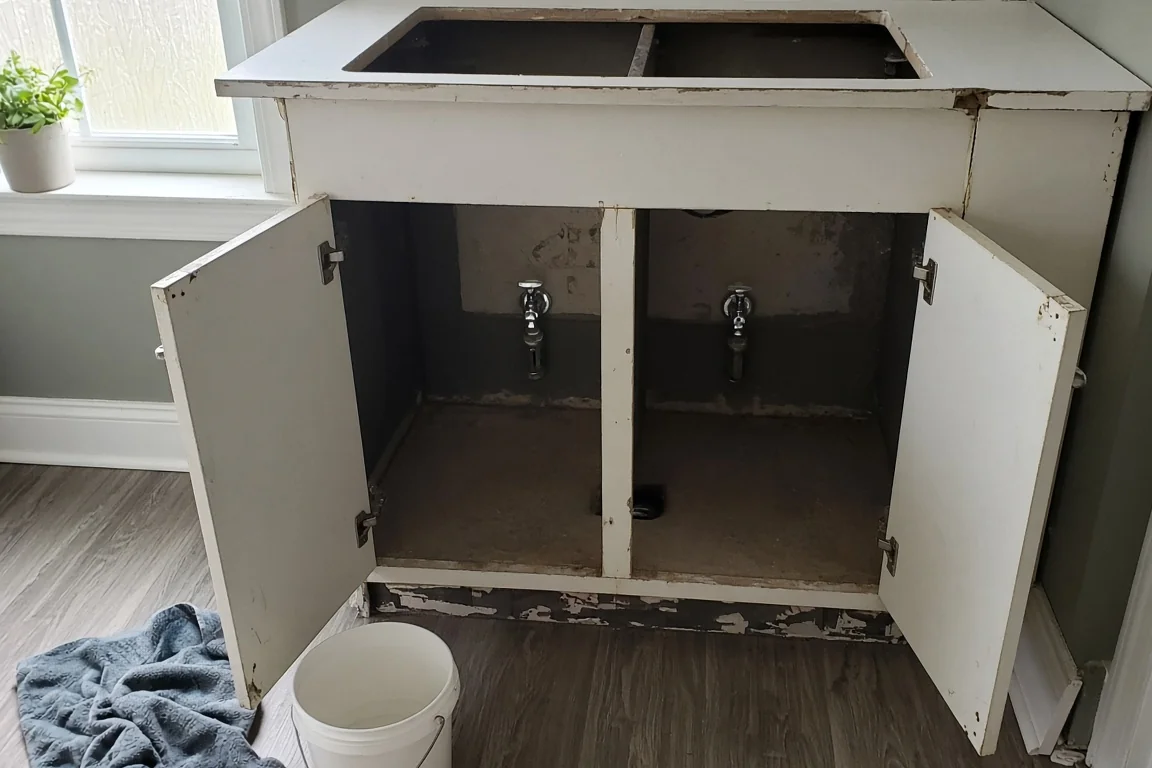
Bathroom sink installation
Bathroom Sink Installation in Lake Oswego
4.9 ★ on Google (16 reviews)Open 7 AM to 11 PM, 7 days
Deciding If Your Sink Swap Needs a Licensed Plumber
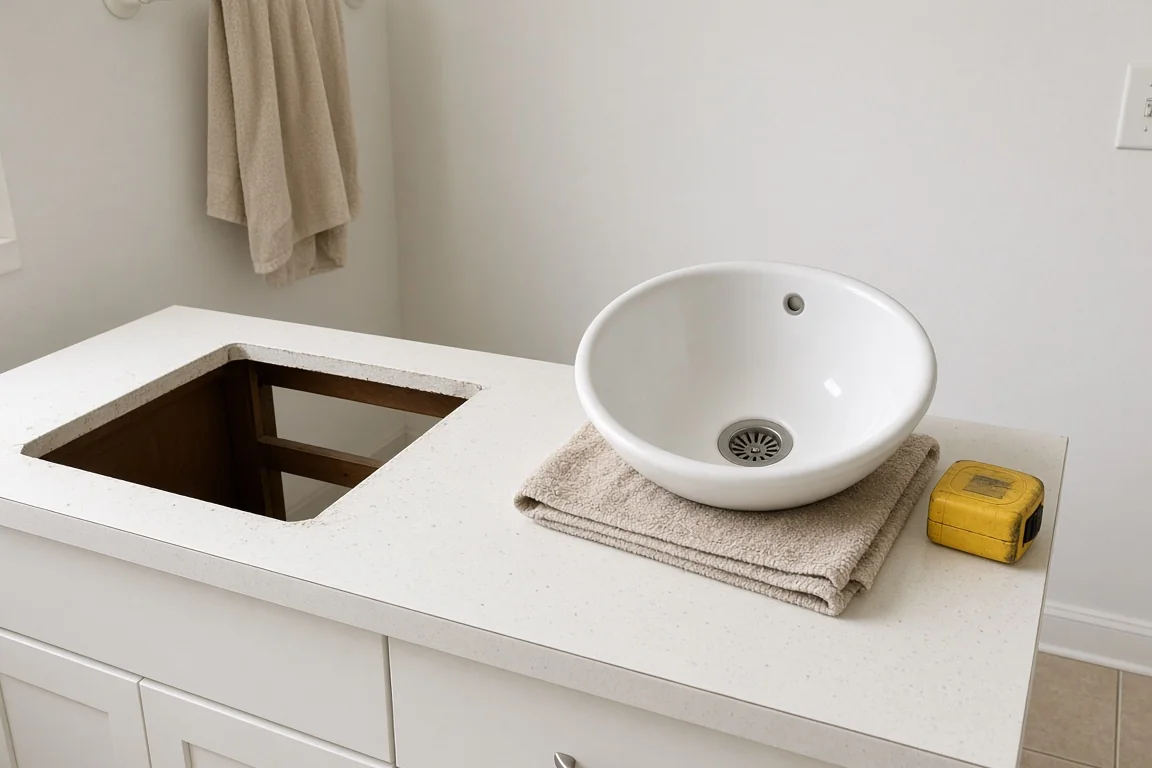
If your new sink fits the same spot and the old shutoff valves and drain line up, you can often install it yourself. Once the job means moving pipes, adding a second sink, or working with valves or drains that are worn out, a licensed plumber is the safer choice.
We'll be straight with you. Plenty of sink swaps don't need us. If you're putting a new sink and faucet into the same vanity, in the same spot, you may be able to do it in an afternoon with a basin wrench, a bucket, and some patience.
A swap is usually a good DIY job when all of these are true:
- The new sink sits in the same footprint as the old one.
- Your shutoff valves under the sink turn fully off and don't drip.
- The drain tailpiece and trap line up with the wall pipe.
- You're not opening the wall or the floor.
- The supply lines and drain look clean, with no green crust, rust, or soft spots.
If that's your situation, go for it. Take a photo of the setup before you take anything apart, so you can see how it all went together. Test for leaks by running water and checking under the sink with a dry paper towel. A small drip at a slip nut is common. It often stops with a gentle snug, not a hard crank.
Things change once the job grows past a simple swap. Here are the signs it's time to call a licensed plumber:
- You're moving the sink to a new spot, even a few inches, and the drain or water lines have to move with it.
- You're turning one sink into two, like a new double vanity.
- You're switching from a pedestal sink to a vanity, or the other way, and the drain sits at the wrong height.
- The shutoff valves are stuck, crusty, or won't fully close. Forcing an old valve can snap it and flood the room.
- The drain pipe in the wall is cracked, corroded, or doesn't line up no matter how you set the trap.
- You're hanging a wall-mounted sink and aren't sure the wall can hold the weight.
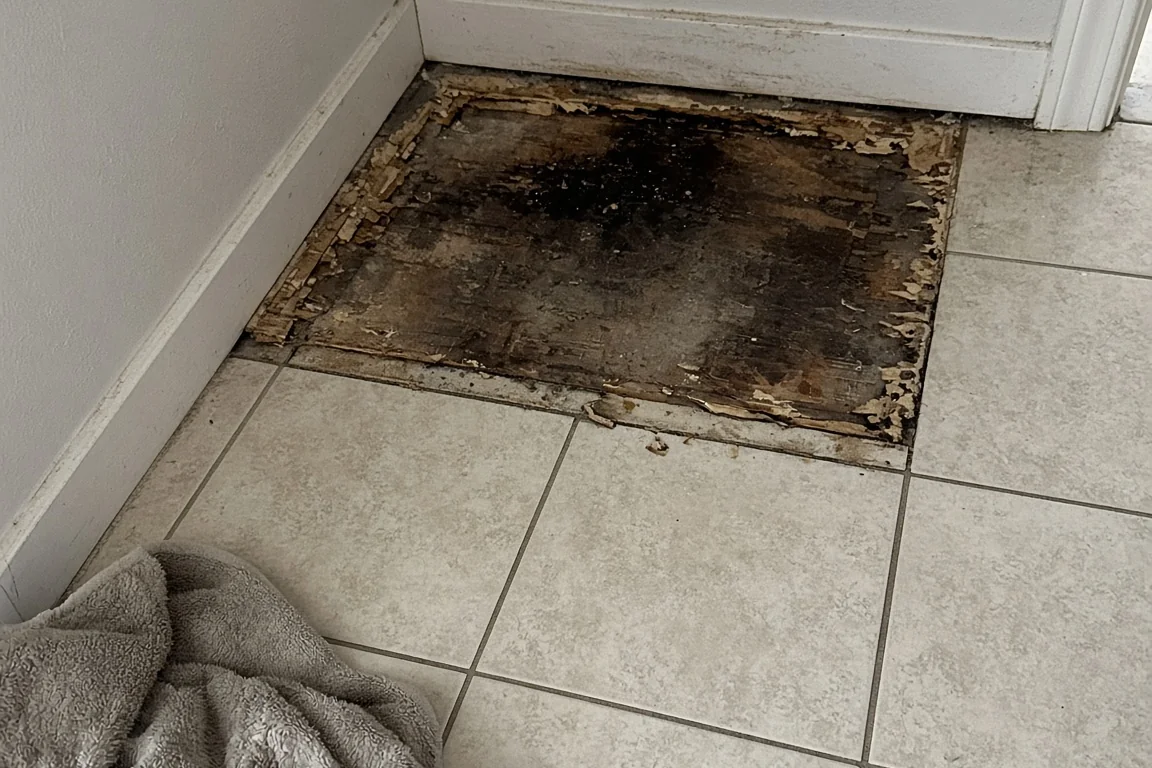
- Water stains, a musty smell, or soft flooring show up once the old vanity comes out.
That last one catches people off guard. You pull out the old cabinet and find the floor under it is dark and spongy. That isn't a sink problem anymore. It's a leak that's been going on for a while, and it's worth finding the source before the new vanity covers it up again. Our plumbing leak repair work handles that part.
Moving or adding pipes inside a wall can also bring permit questions. Rules depend on the scope of the work, so it's smart to check with the City of Lake Oswego before you open a wall. A licensed plumber can tell you whether your plan likely needs one.
If you do hire help, ask to see a license. In Oregon, contractors are licensed through the Construction Contractors Board. Ours is Oregon CCB License #257405, and you can look it up yourself. Ask too what's included, like hauling away the old sink or replacing worn shutoff valves, so you're comparing quotes on the same job.
Signs You Can Skip the Plumber for a Simple Swap
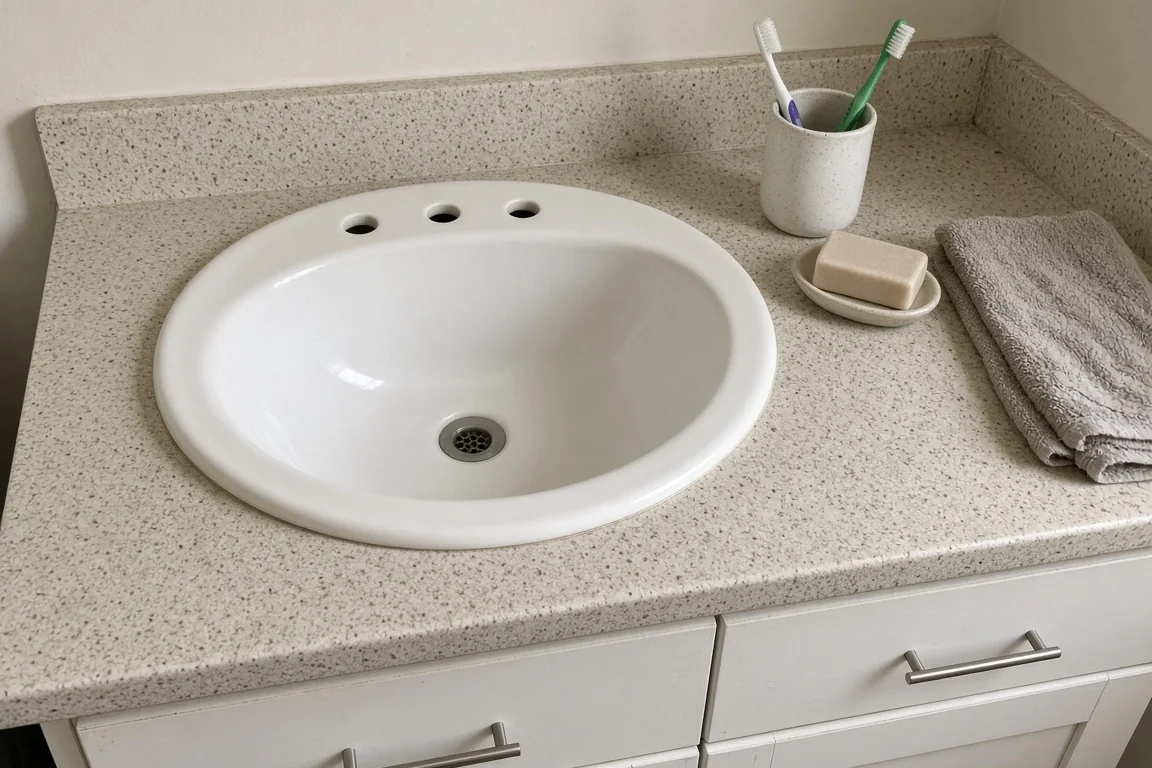
Most DIY sink jobs that go wrong don't fail at the pipes. They fail at the store, when the new sink doesn't quite match the old setup. If you check a few things before you buy, you'll know whether you're in for an easy afternoon or something bigger.
Start by matching the new sink to what you already have. Bring a tape measure and your phone, and look at these things:
- Faucet holes. Count the holes in your current sink or counter. A single-hole faucet won't cover a three-hole sink without a cover plate, and a widespread faucet won't fit a sink drilled for a small centerset one.
- Sink type. A drop-in sink that replaces another drop-in is the easiest swap there is. Switching to an undermount sink, or cutting a bigger hole in the counter, turns it into countertop work.
- Bowl depth. A deeper bowl can push the drain lower than your wall pipe. If the drain ends up below where the pipe leaves the wall, the trap won't line up.
- Vessel sinks. These sit on top of the counter, so they need a taller faucet or a wall-mount faucet. Plan for that before you fall in love with one.
- Overflow. If your new sink has an overflow hole, buy a drain that has one too. If it doesn't, get a drain made for sinks without an overflow.
Next, check your shutoff valves a day or two ahead, not on install day. Turn each one off, then open the faucet. If the water stops, you're good. If it slows but keeps running, you're past a simple swap, as covered above. Finding that out early saves you from a sink half taken apart and no way to turn off the water.
Then buy the small parts that make the job go smoothly. A new sink is a good excuse to replace the cheap stuff underneath it:
- Two new braided supply lines, measured from valve to faucet with a little slack
- A new drain assembly if the sink or faucet doesn't come with one
- A P-trap kit, in case the old trap is brittle or the pieces don't line up
- Plumber's putty or silicone, whichever your sink and drain directions call for
- A basin wrench, a bucket, old towels, and a flashlight
Read the install sheet for your sink and faucet before you start. Some makers say not to use putty on certain sink materials because it can stain, so they'll tell you to use silicone instead. That one detail is easy to miss and hard to fix later.
Pick your timing too. If this is your only bathroom, start in the morning so you aren't stuck without a sink overnight if a part is missing. If you have a second bathroom, there's less pressure to rush.
Here's a quick way to sum it up. If the new sink matches your old hole pattern and sink type, the drain lands at about the same height, and your valves shut off cleanly, you've got a true swap. You probably don't need anyone but yourself and a free afternoon.
What Happens During a Professional Sink Installation
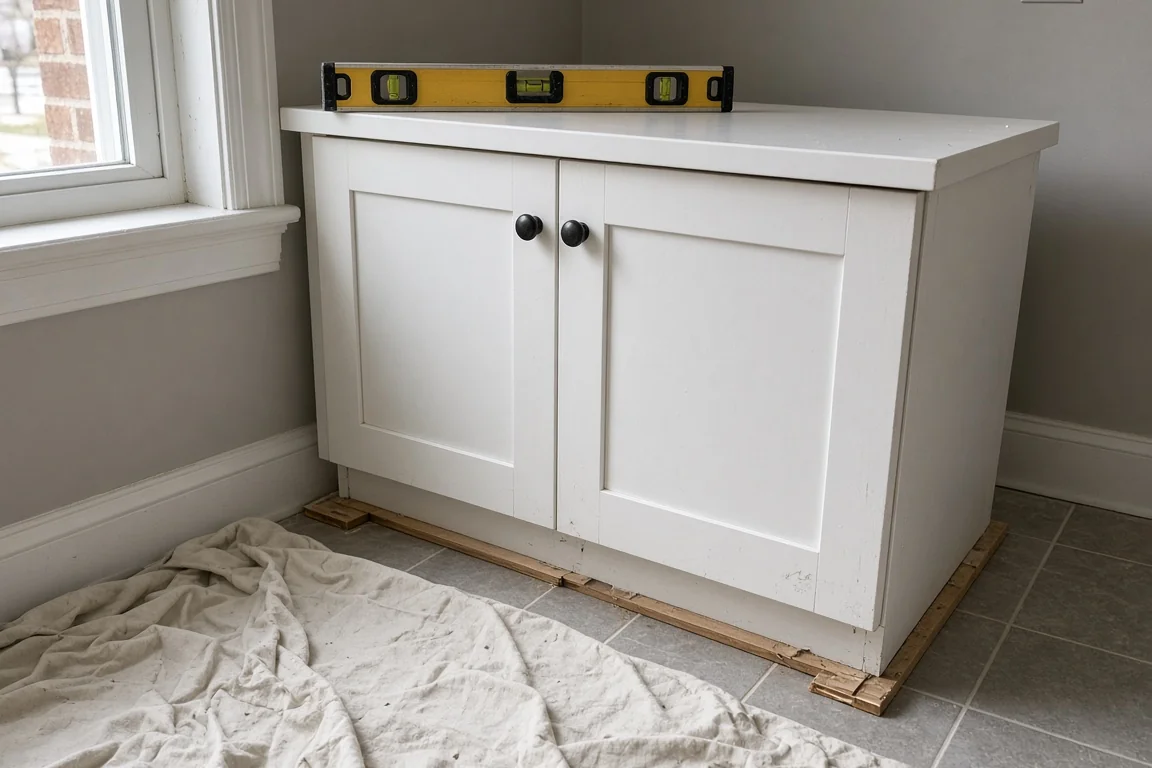
When a sink job is more than a swap, most of the plumber's time doesn't go into setting the bowl. It goes into what's behind the cabinet: the valves, the drain in the wall, and whatever the old vanity was hiding. That's the part that decides whether your new sink stays dry for years or starts a slow leak in a few months.
Here's what a professional bathroom sink installation usually looks like from start to finish.
- Shut off and protect. The water gets turned off at the sink valves, or at the main if those valves won't close. The floor and cabinet get covered so old water and debris don't land on them.
- Take out the old sink. Supply lines, the trap, and the drain come apart, and then the sink or vanity comes out.
- Look at what's left. With everything open, the plumber checks the shutoff valves, the drain pipe in the wall, and the wall and floor around them. If something's worn, cracked, or wet, this is when it shows up.
- Rough in any changes. Moving a drain, adding a second sink, or changing the drain height means cutting and running new pipe. A drain that moves can also affect how the line is vented, so it has to be planned, not just stretched to fit.
- Set and secure the sink. The vanity gets leveled and fastened. A wall-mounted sink needs solid backing in the wall to carry its weight, plus the weight of someone leaning on it.
- Connect everything. The faucet, drain, and pop-up go in with putty or silicone, whichever the sink maker calls for. Then the supply lines get connected and the trap is lined up with the wall pipe.
- Test it hard. A good test is more than a quick splash. Fill the basin all the way, let it drain, run hot and cold at full flow, and check every joint underneath with a dry paper towel.
Step three is where a quote can change, and that's normal. Nobody can see a corroded drain stub or a soft subfloor until the old vanity is out. If something turns up, you should hear about it, and what it'll take to fix, before any extra work starts. That's a fair thing to ask any plumber up front.
If you're comparing quotes, these are the things that usually push the price up or down:
- Whether the drain and water lines stay put or have to move
- Replacing stuck or leaking shutoff valves
- One sink versus a double vanity
- Adding wall backing for a wall-mounted sink
- Repairing water damage found under the old cabinet
- Whether hauling away the old sink and vanity is included
A low quote that leaves out valves or haul-away isn't really cheaper. It may just cover less of the job. Ask each plumber what's included so you're comparing the same work.
When the job's done, you should be able to open the cabinet, run the water, and see nothing but dry pipes. The sink shouldn't rock. The drain should empty fast without gurgling. Both valves should turn off cleanly the next time you need them.
Our team has 20 years of hands-on plumbing experience, and we're licensed under Oregon CCB License #257405. If your sink project means moving pipes, adding a sink, or dealing with worn valves or a damaged drain, we can look at what you've got and explain the scope and cost before we start.
Common Problems That Change the Scope of an Installation
Most sink jobs grow for one reason. The new sink is fine, but the plumbing it connects to isn't. Here are the problems that most often turn a simple install into a bigger job, and what each one means for you.
The drain has no proper vent. Every sink drain needs air behind it so water can flow out without pulling the water out of the trap. Some older bathrooms were plumbed with an S-shaped trap that curves down into the floor, or with a drain that never had a good vent. You might notice the old sink gurgled, drained slowly, or smelled like sewer now and then. Hooking a new sink to that same drain brings those problems right back. Fixing it means changing the drain setup, not just the sink.
The water pipes behind the wall are old steel. Older galvanized steel pipe rusts from the inside. If your water runs a little brown at first or the faucet flow has always been weak, that may be why. These pipes also get brittle where they thread into the fitting. Turning a wrench on them during a sink job can crack the pipe inside the wall. Sometimes a short new section fixes it. If the whole house has the same pipe, it may be time to talk about repiping or low water pressure repair instead of patching one spot.
The drain was slow before you started. A new sink won't fix a clog that's farther down the line. If the old sink drained slowly, or the tub next to it backs up too, the problem is likely in the shared pipe inside the wall or floor. That calls for drain cleaning. It's better to clear it before the new sink goes in than to blame the new sink later.
The fittings don't match today's parts. Older valves and drain pipes sometimes come in sizes or styles that new supply lines and P-trap kits don't fit. Adapters can work in some cases. In others, the right answer is a new valve or a new section of drain so the connection doesn't depend on a stack of mismatched parts.
The counter or backsplash gets damaged coming out. Old sinks are often glued in place with years of caulk or adhesive. Prying them loose can chip stone, crack tile, or pull the backsplash off the wall. That's countertop work, not plumbing, so it's worth knowing ahead of time who handles it if it happens.
You can spot some of these before anyone shows up. Look for these clues:
- A trap that curves down into the floor instead of going straight into the wall
- Gray, threaded metal pipe coming out of the wall instead of copper or plastic
- Rusty water when you first turn on the tap
- A sink or nearby tub that drains slowly or gurgles
- Thick caulk or adhesive holding the old sink to the counter
If you notice any of these, mention them when you ask for a quote. A photo of the space under your sink helps too. It won't catch everything, but it gives a plumber a much clearer idea of what the job really involves, so the price you hear first is closer to the price you pay.
What Drives Bathroom Sink Installation Cost
The price of a sink install depends on three things beyond the plumbing problems listed above. The first is how the plumber charges. The second is who buys the parts. The third is how much of the job isn't plumbing at all. Once you know how those pieces work, a quote stops feeling like a mystery number.
Start with how the price is built. Most plumbers use one of these, or a mix:
- A flat price for a set scope. You know the number before work starts, as long as the job matches what was described. If the plumber finds a hidden problem once the old vanity is out, that's extra work, and the new cost should be agreed on before it starts.
- Time plus materials. You pay for hours on the job and the parts used. This can come out lower on a smooth job and higher on a messy one, so ask for an estimate of the likely hours.
- A trip or service call charge. Some plumbers charge just to come out and look. Others fold it into the job if you go ahead. Ask which way it works.
Next is who supplies the sink and faucet. Buying them yourself gives you full control over style. It also means the job can stall if a part is missing or doesn't fit, and that wait may be billed as time. If you're buying your own, open the boxes before install day. Check that every piece is there, including the drain and mounting hardware. If the plumber supplies the fixtures, ask what brand and model you're getting so you can compare fairly.
Small parts matter more than they look. Braided supply lines and new quarter turn shutoff valves cost a bit more than reusing old ones. They're also the parts most likely to leak or stick later, so it's worth seeing them listed on the quote.
Then there's work outside plumbing. Cutting a counter for an undermount sink, patching drywall after a pipe moves, or fixing tile around a new vanity often falls to another trade. A plumbing quote may not include any of it. If your project involves moving pipes in a wall, plan for patch and paint as a separate line in your budget.
If your project needs a permit, the fee and the wait for an inspection are part of the real cost and timeline. Ask who pulls it and whether the fee is in the quote.
Timing can change the price too. Some plumbers charge more for evenings or weekends. If your schedule is flexible, ask whether a different day changes the rate.
Before you hire anyone, these questions help you compare quotes on equal terms:
- Is this a flat price or time plus materials?
- Is there a trip charge, and is it credited if I book?
- Which parts are included, and who's supplying the sink and faucet?
- What happens to the price if you find damage once the old sink is out?
- Does any part of this job need a permit, and is that in the quote?
- What's not included, like counter cutting, drywall or paint?
A clear quote should answer most of these before you ask. If it doesn't, that tells you something too.
Sink installation is part of our bathroom remodeling services in Lake Oswego, and you can schedule a bathroom sink installation if your project goes past a simple swap.
Frequently Asked Questions
Common questions about Bathroom sink installation
Do I really need a plumber to install a bathroom sink?
Not always, but a licensed plumber is the safer call once the job gets complicated. A simple swap into the same footprint, with good valves and matching drain lines, is often fine to do yourself. Once you're moving pipes, adding a sink, or dealing with stuck valves or a damaged drain, bring in a licensed plumber so the work is done safely and up to code.
What makes a sink installation quote go up once work starts?
Hidden damage behind the old vanity is the most common reason a quote changes. Things like a corroded drain stub, a cracked wall pipe, or a soft, water-damaged subfloor only show up once the old sink is out. A fair plumber should explain what they found and what it'll take to fix it before any extra work begins, so you're never surprised by the final number.
Should I buy the sink myself or let the plumber supply it?
Either works, but buying your own sink gives you full control over style while adding some risk of delays. If a part is missing or doesn't fit once install day arrives, that wait can be billed as time. Open every box and check for the drain and mounting hardware before your install date, so nothing holds up the job.
Ready to Get Started?
Call (971) 455-3804 now for a free estimate.
Call (971) 455-3804Open 7 AM to 11 PM, seven days a week.